
Losing a single tooth might seem minor, but it can set off a chain reaction in your mouth that leads to bigger problems. When a tooth is missing, the nearby teeth can shift out of place, causing bite issues and making it harder to keep your mouth healthy.
This shift not only affects how you chew but can also change the shape of your jaw over time. You might think a missing tooth only affects your smile, but it can also lead to jawbone loss and even impact your overall health.
Leaving gaps untreated could make chewing and speaking more difficult and increase your risk for other dental problems.
Key Takeaways
- Missing teeth can cause other teeth to move and affect your bite.
- Jawbone can weaken without the support of a missing tooth.
- Replacing missing teeth helps protect your health and confidence.
Schedule a Missing Tooth Evaluation in Fairfax, VA Today
How a Single Missing Tooth Triggers a Domino Effect
Losing even one tooth can start a chain of changes in your mouth that affect more than just your smile. These changes impact how your teeth fit together, how your jaw feels, and the health of your remaining teeth.
Neighboring Teeth Shifting and Misalignment
When a tooth goes missing, the teeth next to it don’t just stay put. They tend to move into the empty space.
This shifting can cause your teeth to crowd or become crooked. This misalignment can change how your teeth line up when you close your mouth.
Over time, this can make it harder to clean between your teeth properly. Food and plaque may get trapped, which raises the risk of gum disease.
Research shows that nearby teeth can begin shifting within months after a single tooth is lost, increasing the risk of bite problems and misalignment.
Shifting teeth also put uneven pressure on your smile. Some teeth might wear down faster because they’re doing more work than they should.
Bite Problems and Jaw Pain
Your bite depends on the way your teeth come together when you close your mouth. When a tooth is missing, this balance gets thrown off.
The top teeth may start to drift down if the bottom tooth is gone, or vice versa. A misaligned bite means your jaw muscles and joints have to work harder.
This extra stress can make your jaw ache or even cause pain known as temporomandibular joint (TMJ) disorder. If you chew unevenly, you could also wear down teeth faster or strain certain muscles.
Over time, this can cause discomfort or headaches.
Enamel Wear and Tooth Decay
When your teeth are out of place, some may bear more force during chewing. This uneven wear can cause enamel (the hard outer layer of your teeth) to break down faster.
Less enamel means your teeth become more sensitive and vulnerable to damage. With enamel worn down, decay becomes easier and cavities may develop.
Also, misaligned teeth can create tight spaces that are hard to clean. Bacteria can hide in these spots, increasing the chance of tooth decay and gum problems.
Take Action Early to Prevent Bigger Dental Problems
Bone Loss and Long-Term Jawbone Deterioration
Losing a single tooth can start a chain reaction that affects more than just your smile. Without the tooth root, your jawbone stops getting the stimulation it needs.
This leads to changes in bone size, your face’s shape, and even makes future dental work harder.
Resorption and Bone Shrinkage
When a tooth is missing, the jawbone in that area doesn’t get the normal pressure from chewing. This lack of stimulation causes bone resorption, a process where the bone starts to shrink and thin out.
The bone cells break down the bone tissue, and it gradually dissolves. Bone shrinkage can start just a few months after a tooth is lost.
Clinical studies show that up to 25% of jawbone width can be lost within the first year after a single tooth is removed.
Over time, this can lead to a noticeable dip or hollow in your jaw. Without enough bone, your jaw becomes weaker and less able to support your teeth or implants.
This is why acting quickly can help slow or stop the bone loss process.
Facial Structure Changes and Premature Aging
As the jawbone deteriorates, it supports your face less effectively. This leads to facial sagging, making your cheeks look sunken and your skin loose.
Losing jawbone height can create wrinkles and deepen folds around the mouth. These changes happen even if you only lose one tooth.
Over time, this can add years to how old you look. People often notice a more tired or drawn expression.
Bone loss can affect your confidence because it changes how your face appears naturally.
Complications for Future Dental Work
Bone loss doesn’t just hurt your appearance; it also makes fixing your smile harder. If you want to get a dental implant, you need enough strong jawbone to hold it in place.
When the bone is thin or shrunken, implants can fail or not fit properly. In some cases, you may need extra procedures like bone grafts or sinus lifts to rebuild the bone first.
This means treatment becomes more complex, takes longer, and costs more.
Book a Dental Implant Consultation in Manassas or Fredericksburg
Everyday Challenges After Tooth Loss
Losing a tooth can change more than just your smile. It affects how you eat and how you speak, which impacts your daily life in clear ways.
These changes can influence your nutrition, oral health, and how comfortable you feel around others.
Difficulty Chewing and Nutrition Impact
When a tooth is missing, chewing can become harder and less efficient. You might find it uncomfortable to eat certain foods, especially tougher or crunchy ones.
This can lead you to avoid healthy foods like raw vegetables, nuts, or some fruits, which are important for good nutrition. Chewing less thoroughly also affects digestion because food isn’t broken down as well before reaching your stomach.
Over time, this can affect your overall health. Missing teeth can put extra pressure on your other teeth, which may cause discomfort or wear.
This added stress can harm your oral health. Keeping a balanced diet becomes challenging, so replacing missing teeth helps protect both your mouth and your nutrition.
Speech and Communication Issues
Teeth play a big role in how you form sounds. When you lose a tooth, especially in the front, it can make pronouncing words harder.
You might notice a lisp or changes in how certain sounds come out. This can affect your confidence when talking with friends, family, or coworkers.
You could feel self-conscious about speaking in public, which might limit social interactions or work communication. Over time, missing teeth may change the position of your tongue when you talk, making speech less clear.
Fixing the gap helps restore clearer speech and makes everyday conversations easier and more comfortable.
Emotional, Social, and Mental Health Consequences

Losing even one tooth can affect more than just your smile. It can touch many parts of your life, changing how you feel about yourself and how you act around others.
These changes often go beyond what you might expect.
Change in Confidence and Self-Esteem
When you lose a tooth, especially one that shows when you smile or talk, you might feel less confident. You may start hiding your smile or avoiding photos because you feel self-conscious.
This can lower your self-esteem, making you doubt your appearance and value. Feeling good about how you look is important for your overall happiness.
If your tooth loss makes you feel less attractive, it can affect your daily mood and willingness to engage with others.
Simple things like laughing out loud or speaking up can suddenly feel harder because of your worries about how you look.
Effects on Mental Health and Social Life
Missing a tooth can also lead to mental health struggles like anxiety and sadness. You might find yourself avoiding social gatherings because you fear being judged.
This can cause isolation and even contribute to feelings of depression. The stress and shame from tooth loss can affect your focus and emotional balance, making everyday tasks more challenging.
These feelings impact your quality of life and can limit opportunities in work or personal relationships.
Oral Health Risks from Leaving Gaps Untreated
When a tooth goes missing, it’s not just about the empty space. Missing teeth can cause changes in your mouth that make keeping your teeth and gums healthy much harder.
These changes can increase the chance of serious problems like gum disease and tooth decay.
Increased Risk of Gum Disease and Periodontitis
Gaps from a missing tooth create spaces where food and bacteria can easily get trapped. This makes it harder for you to keep the area clean through regular brushing and flossing.
When plaque builds up, it irritates your gums and can lead to gum disease. If gum disease isn’t treated early, it can progress to periodontitis.
This is a more serious infection that damages the tissues and bone supporting your teeth. Your other teeth may become loose because of this damage.
So, leaving a gap untreated can increase your risk of gum infections that threaten your whole mouth’s health.
Higher Chance of Additional Tooth Loss and Cavities
Without a tooth in place, nearby teeth may start to shift toward the empty spot. This movement can cause your bite to change, leading to uneven pressure when you chew.
Misaligned teeth are harder to clean, which raises the risk of cavities in those areas. Also, gaps can let the opposing tooth overgrow because it has no partner to touch.
This causes uneven wear and can weaken teeth. Untreated decay can set in on these vulnerable teeth, increasing the chance that you’ll lose even more teeth over time.
Taking care of missing teeth can protect the ones you still have.
Restoring Your Smile: Tooth Replacement Solutions
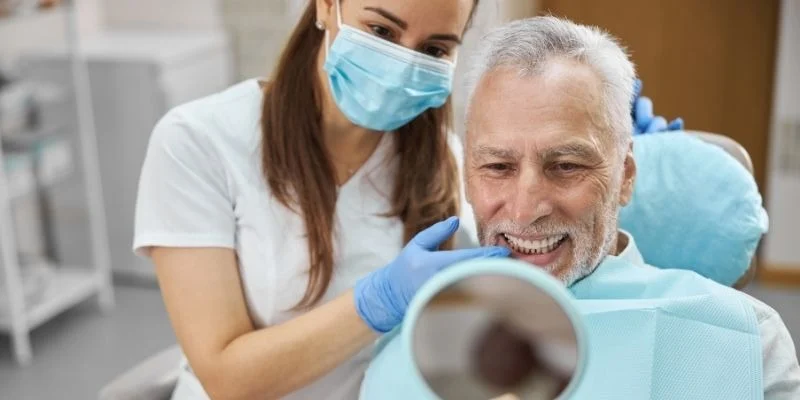
When you lose a tooth, there are several reliable ways to bring back your smile and keep your mouth healthy. Some options feel just like natural teeth, while others work well if you need a quicker or less invasive fix.
Your choice depends on your health, budget, and how many teeth need to be replaced.
Dental Implants and Implant-Supported Dentures
Dental implants are small titanium posts placed into your jawbone to act like natural tooth roots. Once healed, a crown is attached to match your other teeth in color and shape.
Implants help keep your jawbone strong because they provide the same stimulation as your natural teeth. If you need to replace several teeth, implant-supported dentures might be the right fit.
These dentures snap or screw onto implants, giving them a sturdy hold that feels more natural and stable than traditional dentures. Implants have a high success rate when done with good dental checkups and care, making them a long-lasting solution.
Dental Bridges and Traditional Dentures
A dental bridge is a way to replace one or more missing teeth by anchoring a false tooth to the nearby natural teeth, which are often covered with crowns. This option can be done faster and is usually less expensive than implants.
Traditional dentures are removable fake teeth that rest on your gums. They are often used when many teeth are missing or if implants aren’t suitable for you.
While dentures are less stable and may feel less natural, they are a more affordable and non-invasive way to restore your smile.
Bone Grafting and Sinus Lifts for Advanced Cases
Sometimes, you might not have enough jawbone to support an implant. If this happens, your dentist can perform bone grafting to add bone to your jaw.
This makes the area strong enough for the implant to stay secure. Sinus lifts are another procedure used when missing upper teeth leave too little bone below the sinuses.
This technique raises the sinus floor and adds bone, clearing the way for implants.
Frequently Asked Questions
Missing a tooth can start a chain of problems that affect more than just your smile. It can change how your teeth fit together, affect your jawbone, and even make it harder to eat certain foods.
What long-term issues might arise from not replacing a missing tooth?
If you don’t replace a missing tooth, nearby teeth can shift out of place. This can cause your bite to change and put extra pressure on remaining teeth.
Over time, your jawbone may shrink because it loses stimulation where the tooth was. This can change your facial shape and make future dental work harder.
Is it possible for a missing tooth to lead to digestive complications?
Yes, missing teeth can make chewing difficult. When you can’t chew food properly, it can strain your digestion.
This may lead to stomach problems or poor nutrient absorption.
What are some affordable ways to address a missing tooth?
There are options like dental bridges and removable partial dentures that cost less than implants. Some dental offices offer payment plans or financing to help spread out the cost.
It’s worth asking what fits your budget and needs.
Could a tooth that’s been missing for years still cause problems?
Even if a tooth has been missing for a long time, you can still face issues like bone loss and shifting teeth. These problems might progress slowly but can eventually cause discomfort and make treatment more complicated.
Can you experience gum discomfort in areas where teeth are missing?
Gums where teeth are missing can sometimes become sore or inflamed. This can happen as the area is more exposed and harder to keep clean.
Proper dental care is important to avoid infections.
Might an absent tooth contribute to sinus problems?
In some cases, especially with upper back teeth, a missing tooth can affect the sinuses.
Bone loss in that area can lead to sinus discomfort or infections.
For more details on these concerns, see why delaying tooth replacement might create bigger problems for your oral health.