

Many people worry that waiting too long means they’ve missed their chance for dental implants after long-term tooth loss. If you’ve been living with missing teeth for years, you might think your only options are dentures or bridges.
The good news is that modern dental technology has made it possible for most people to get implants even after extended periods of tooth loss.
You can get dental implants years after losing your teeth, though you may need additional procedures like bone grafting to rebuild lost jawbone structure first.
When you lose a tooth, your jawbone starts to shrink over time because it no longer receives stimulation from the tooth root. This process is called bone resorption, and it can make placing dental implants more challenging but not impossible.
The length of time you’ve been without teeth does affect your treatment options and timeline. Your dentist will need to evaluate your jawbone density, gum health, and overall medical condition to create a personalized treatment plan.
With the right preparation and care, dental implants can successfully restore your smile and improve your quality of life.
Key Takeaways
- Dental implants are possible even after years of missing teeth, with proper evaluation and preparation
- Bone grafting and other modern procedures can restore lost jawbone to support implants successfully
- Your overall health, gum condition, and bone density determine your candidacy for dental implants
Is It Possible to Get Dental Implants Years After Tooth Loss?
You can often get dental implants even after years of missing teeth, though your jawbone health and overall oral condition will determine your eligibility. The time gap between tooth loss and implant placement matters less than the current state of your jaw and gums.
How Long-Term Tooth Loss Affects Implant Eligibility
When you lose a tooth, your jawbone begins to lose density because it no longer receives stimulation from the tooth root. Most of this bone loss happens in the first few years after losing a tooth.
The longer you go without replacing missing teeth, the more your jawbone shrinks. This can make it harder to place dental implants because they need adequate bone for stability.
However, waiting years doesn’t automatically mean it’s too late for dental implants. Modern dental techniques like bone grafting can rebuild lost bone in many cases. A bone graft adds material to your jaw, creating enough foundation to support an implant.
In some situations, severe bone loss may make even grafting ineffective. Your dentist will use imaging to assess whether you have enough bone structure remaining for treatment.
What Makes Someone a Candidate After Years Without Teeth
Your current oral and overall health matter more than how long you’ve had missing teeth. Dentists evaluate several factors when determining if you’re a good candidate for implants.
Key eligibility factors include:
- Sufficient bone density or ability to receive a bone graft
- Healthy gums without severe periodontal disease
- Good overall health without conditions that impair healing
- Non-smoker status or willingness to quit
- Adequate oral hygiene habits
Age alone isn’t typically a barrier, though dentists may not recommend implants for patients over 85 with chronic health conditions. Your dentist will perform a comprehensive exam and 3D imaging to evaluate your bone structure and determine the best approach for your situation.
Understanding Bone Loss and Jawbone Health
When you lose a tooth, your jawbone starts to change in ways that affect both your appearance and your ability to get implants later. The bone needs regular stimulation from your teeth to stay strong and healthy.
Why Bone Loss Happens Over Time
Your jawbone relies on constant pressure from chewing to maintain its strength and volume. When you’re missing teeth for months or years, that stimulation to the bone disappears.
The bone in your jaw begins to shrink because your body thinks it’s no longer needed. This process starts within the first year after tooth loss and continues to get worse over time. You might lose 25% of your bone width in just the first year alone.
Several factors speed up this bone loss:
- Gum disease that damages the tissue supporting your teeth
- Long-term denture use without any tooth roots to stimulate the jaw
- Infections or trauma to your mouth
- Natural aging that affects bone density throughout your body
The longer you wait to replace missing teeth, the more bone you’ll lose.
Impact of Bone Density on Implant Placement
Your bone density affects dental implants because the implant post needs a solid foundation to stay secure. Think of it like building a fence, you need firm ground to anchor the posts properly.
Dentists measure your bone density using 3D scans and X-rays before planning implant surgery. If your bone is too thin or weak, the implant might not fuse correctly with your jawbone. This can lead to implant failure or the need for additional procedures.
You might still qualify for implants even with reduced bone density. Your dentist can use bone grafting to rebuild lost bone or place longer implants that anchor into stronger areas of your jaw.
Bone Resorption and Its Effects on Your Smile
Bone resorption is the medical term for when your body breaks down and absorbs bone tissue in your jaw. This process changes more than just your oral health; it affects how you look.
As your jawbone shrinks, your face can develop a sunken appearance around your mouth and cheeks. Your lips might look thinner, and you could develop more wrinkles around your mouth. These changes make you look older than you actually are.
The bone resorption also creates problems with eating and speaking. Your remaining teeth might shift into gaps, causing bite problems. Dentures become loose and uncomfortable because they don’t have enough bone to grip onto properly.
Start your treatment journey by completing our new patient form online so we can review your dental history and prepare for your visit in advance.
Modern Solutions for Challenging Cases
Even after years without teeth, several proven procedures can restore the bone support needed for implants. These treatments make it possible to place a stable titanium post even when significant bone loss has occurred.
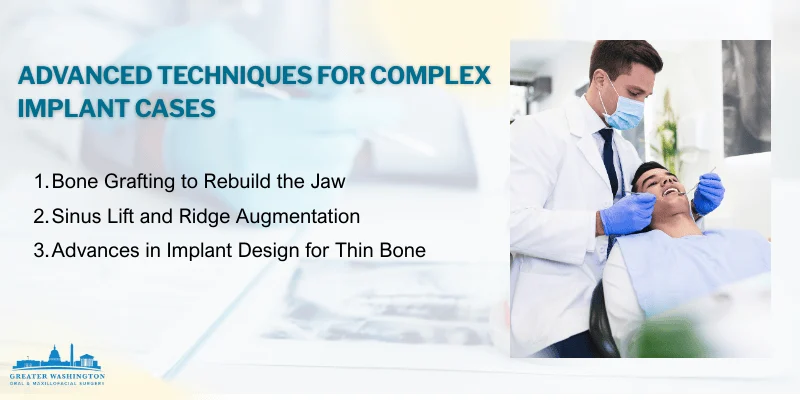
Bone Grafting to Rebuild the Jaw
Bone grafting adds new material to areas where your jaw has shrunk over time. Your dentist places a small amount of grafting material into the weakened area. This material can come from your own body, a donor source, or synthetic options.
Over the next few months, the bone graft slowly fuses with your existing jaw. This creates a solid foundation strong enough to hold an implant. The process is predictable and works well for most patients who have experienced moderate to severe bone loss.
Bone grafting procedures are especially common for back teeth that have been missing for years. The treatment prepares your jaw to support the weight and pressure of normal chewing.
Sinus Lift and Ridge Augmentation
A sinus lift addresses bone loss in your upper jaw near the molars. When teeth go missing in this area, your sinus cavity can expand downward into the empty space. The procedure gently lifts the sinus membrane and places bone grafting material underneath it.
Ridge augmentation rebuilds the width of your jaw ridge when it becomes too narrow. This technique reshapes the bone to create enough room for implant placement. Both procedures are often done together to ensure proper support.
These treatments open up implant options for patients who thought they had waited too long. The added bone provides the depth and width needed for a secure fit.
Advances in Implant Design for Thin Bone
Modern implant technology now includes shorter and narrower options designed for areas with limited bone. These specialized implants can fit into spaces where traditional ones won’t work. The titanium post still integrates properly with your jaw despite the reduced size.
Some advanced implant systems use angles and strategic placement to avoid areas of severe bone loss. This can reduce or even eliminate the need for grafting in certain cases. Your dentist will determine which design works best based on your specific jaw structure and bone density measurements.
Dental Implant Treatment Process After Years Without Teeth
The process involves several key steps to ensure your jawbone can support implants and that the final results restore both function and appearance. Evaluation, preparation, and proper healing are essential for long-term success.
Comprehensive Oral Evaluation
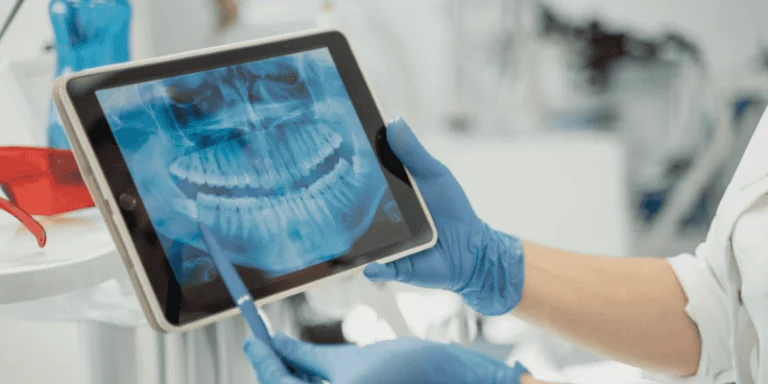
Your dentist will start with a thorough examination of your mouth, jawbone, and gums. This includes X-rays and 3D imaging to measure bone density and volume in the areas where teeth are missing.
The evaluation helps determine if you need additional procedures before implant placement. Your dentist will check for signs of gum disease, infections, or other oral health issues that could affect success rates.
Blood tests or medical history reviews may be necessary if you have conditions like diabetes or take certain medications. These factors can impact healing and the overall implant procedure.
Key evaluation components include:
- Bone density measurements
- Gum health assessment
- Medical history review
- 3D imaging scans
- Treatment plan development
If your jawbone has deteriorated from years without teeth, your dentist will discuss bone grafting options. Most bone loss happens within the first six months after tooth loss, but grafting can rebuild the foundation needed for implants.
Visit one of our Virginia locations in Fredericksburg, Fairfax, Manassas, or Stafford to receive a comprehensive implant assessment tailored to your needs.
Implant Procedure Timeline for Long-Term Tooth Loss
The timeline typically spans several months when you’ve been missing teeth for years. If you need bone grafting, you’ll wait 6-9 months for the graft to heal before receiving implants.
Once your jawbone is ready, the implant placement surgery takes about 1-2 hours per implant. Your dentist will place titanium posts into your jawbone through the gum tissue.
You don’t go without teeth during the healing process. Your dentist provides temporary teeth immediately after the procedure so you can eat, speak, and smile normally.
Timeline breakdown:
| Phase | Duration |
| Bone graft healing (if needed) | 6-9 months |
| Implant placement surgery | 1-2 hours |
| Osseointegration period | 3-6 months |
| Abutment placement | 1 visit |
| Final crown attachment | 2-3 weeks later |
The entire process from start to finish can take 9-15 months if bone grafting is required, or 3-6 months without grafting.
Osseointegration and Recovery
Osseointegration is when the titanium implant post fuses with your jawbone. This creates a stable foundation that mimics a natural tooth root and helps restore your smile.
During the 3-6 month healing period, new bone cells grow around the implant surface. Your body treats the biocompatible titanium as part of your natural bone structure.
You’ll need to maintain excellent oral health during recovery. Brush gently around temporary teeth, rinse with saltwater, and avoid hard or crunchy foods that could disturb the healing sites.
Follow-up appointments let your dentist monitor the fusion process. They’ll check for proper integration before moving forward with permanent restorations.
Recovery tips:
- Take prescribed antibiotics as directed
- Apply ice packs to reduce swelling
- Stick to soft foods for the first few weeks
- Avoid smoking completely
- Keep the surgical area clean
Most discomfort resolves within a few days, though complete osseointegration takes months. This biological process ensures your implants will last for decades with proper care.
Tips for Success With Delayed Implant Placement
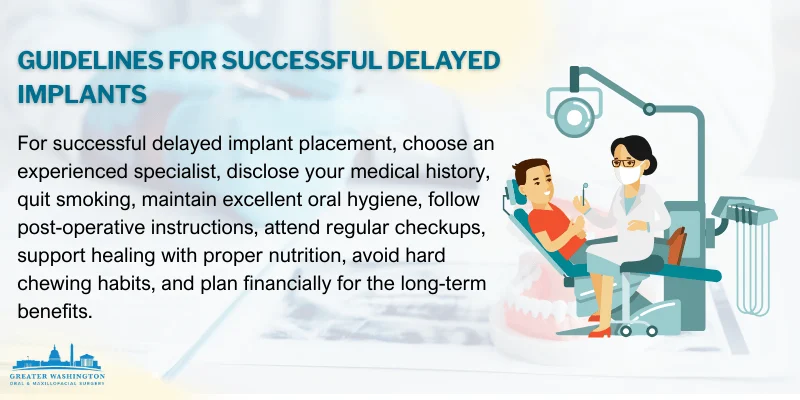
Choose an experienced implant specialist who has worked with patients who waited years for treatment. Ask about their success rates with cases involving bone loss or deterioration.
Be honest about your medical history and lifestyle habits. Smoking significantly increases failure risk, so quitting before surgery improves your chances of successful osseointegration.
Commit to meticulous oral hygiene after the implant procedure. Brush twice daily, floss around implants carefully, and use antibacterial mouthwash as recommended by your dentist.
Attend all scheduled follow-up appointments so your dentist can monitor healing and address any concerns early. Missing checkups can lead to complications that threaten implant stability.
Success factors:
- Maintain excellent oral hygiene
- Follow all post-operative instructions
- Attend regular dental checkups
- Eat a nutritious diet rich in calcium and vitamin D
- Avoid chewing on hard objects
Consider the financial investment and plan accordingly. While more complex than immediate placement, dental implants placed years after extraction offer long-term benefits that make them worth the extra time and cost.
Alternatives If Dental Implants Are Not an Option
Several effective tooth replacement options exist when implants aren’t suitable for your situation. Dentures remain one of the most popular alternatives, while bridges offer another reliable solution for restoring your smile.
Partial Dentures and Bridges
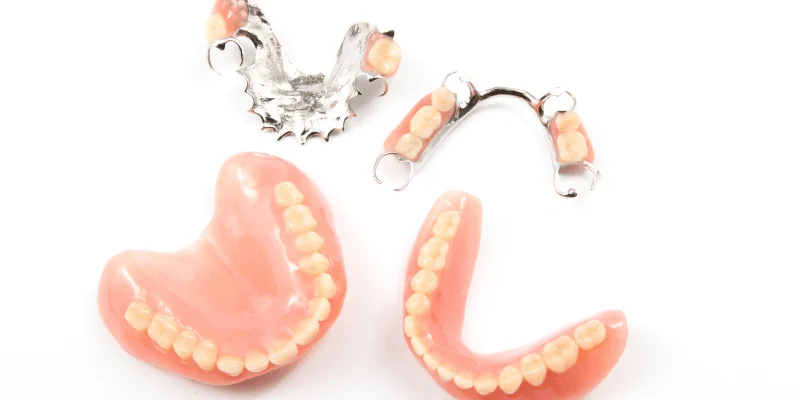
A partial denture works well when you still have some healthy natural teeth remaining. This removable appliance attaches to your existing teeth using metal clasps or precision attachments. You can take it out for cleaning and sleeping.
Dental bridges offer a fixed alternative that doesn’t require removal. Your dentist places crowns on the teeth adjacent to the gap and connects them with artificial teeth in between. Bridges typically last 5 to 15 years with proper care.
Dental bridges can replace missing teeth for as little as $700, making them more affordable than implants. However, your dentist will need to reshape the adjacent teeth to support the bridge. This means altering healthy tooth structure.
Both options restore your ability to chew and speak normally. Your choice depends on how many teeth you’re missing and the condition of your remaining teeth.
Full Dentures for Extensive Tooth Loss
Complete dentures become necessary when you’ve lost most or all of your teeth in the upper or lower jaw. These removable prosthetic devices rest directly on your gums and jawbone.
Dentures are the cheapest way to replace missing teeth since they only require impressions and fitting. The process involves taking molds of your mouth and creating custom-fitted appliances that match your facial structure.
You’ll need time to adjust to wearing full dentures. They may feel bulky at first and can slip while eating or talking. Modern dentures fit better and look more natural than older versions.
Full dentures require regular maintenance and adjustments as your jawbone changes shape over time. You’ll need to remove them daily for cleaning and soak them overnight.
Choosing the Right Tooth Replacement Solution
Your specific situation determines which option works best for you. Consider factors like the number of missing teeth, your jawbone condition, budget, and lifestyle preferences.
Key factors to evaluate:
- Cost: Dentures cost less upfront but may need replacement every 5-7 years
- Maintenance: Removable options require daily cleaning and special care
- Comfort: Fixed bridges feel more natural but aren’t always possible
- Bone health: Your jawbone density affects which options you can pursue
Talk with your dentist about which alternative suits your needs. They’ll examine your mouth, discuss your goals, and recommend the most appropriate solution. Medical, anatomical, or financial factors all play a role in making this decision.
You don’t need to settle for a gap in your smile just because implants aren’t right for you.
Contact our team to book an appointment at the location near you in VA, and take the first step toward restoring your smile.
Frequently Asked Questions
Many people worry about whether they’re still candidates for implants after years without teeth. The good news is that time alone doesn’t disqualify you, though bone health and overall oral condition play important roles in determining your options.
What’s the time limit for getting dental implants after losing a tooth?
There’s no strict deadline for getting dental implants. You can get dental implants even years after tooth extraction, including 10 years or more later.
The main concern isn’t how much time has passed but rather the condition of your jawbone. Your dentist will evaluate whether you have enough healthy bone to support an implant.
If bone loss has occurred, you may need additional procedures like bone grafting before getting your implant. This can add time to the process but still makes implants possible.
Are dental implants an option if I’ve had dentures for a long time?
Yes, you can switch from dentures to dental implants even after wearing dentures for many years. Many people who’ve used dentures for a while decide they want a more permanent solution.
Your dentist will need to check your jawbone density first. Wearing dentures for extended periods can sometimes lead to bone loss in your jaw.
Implant-retained dentures offer a middle option that combines the stability of implants with full-arch tooth replacement. These are more stable than traditional dentures and help preserve your jawbone health.
Is there an age limit for when someone can receive dental implants?
There’s no upper age limit for dental implants. Dental implants can be very beneficial even for seniors, helping to improve dental health, stop bone loss, and increase confidence.
Your overall health matters more than your age. The implant procedure requires that you be healthy enough for minor surgery and have good healing ability.
Younger patients typically need to wait until their jaw has finished growing, usually around age 18. Your dentist will consider your specific health conditions rather than just your age.
What kind of preparation might I need for dental implants if I’ve had a gap for years?
Your dentist will start with a complete evaluation using X-rays or 3D imaging to assess your bone density. This helps them determine what steps you’ll need before placing the implant.
Bone grafting may be necessary if significant bone loss has occurred in the area where your tooth used to be. The graft adds new material to rebuild the bone so it can support an implant.
You might also need treatment for gum disease or other oral health issues before getting implants. Treating these problems first ensures better success rates for your implant procedure.
Will my jawbone still support implants after a prolonged period without teeth?
Your jawbone can still support implants even after years without teeth, though changes may have occurred. When you lose a tooth, your jaw no longer receives the stimulation it needs from chewing, which can lead to bone resorption over time.
The amount of bone remaining determines whether you can get implants right away or need additional procedures first. Some patients have enough healthy bone even after years of tooth loss.
If bone loss has happened, bone grafting can fortify your jawbone so you can still get dental implants. In rare cases where too much bone is lost, you may need to explore other options.
Can my oral health affect my eligibility for dental implants after tooth loss?
Your current oral health plays a significant role in determining if you’re ready for implants. Conditions like gum disease need to be treated before proceeding with the implant procedure.
Active infections or inflammation in your mouth can interfere with healing and implant success. Your dentist will address these issues first to create a healthy environment for the implant.
Good oral hygiene habits are essential both before and after getting implants. With proper care, dental implants can last 20 years or longer, making them a worthwhile long-term investment in your smile.