
If you notice small changes in your teeth or gums, it might be a sign you need dental implants sooner than you think. Paying attention now means you can protect your smile and avoid discomfort later.
Sometimes discomfort, loose teeth, or difficulty chewing can seem minor, but they often point to deeper issues that implants can fix. Implants help keep your jaw strong and your teeth stable, making eating and speaking easier.
Understanding these warning signs lets you take action before the damage worsens. Knowing when to see a dentist can save you from bigger problems with your teeth and gums.
If you’ve had trouble with dentures, broken teeth, or changes in your bite, it’s important to explore your options. Taking charge early gives you the best chance to keep your mouth healthy and your smile confident.
Key Takeaways
- Early changes in your mouth can signal the need for dental implants.
- Implants help maintain jaw strength and improve tooth function.
- Seeing a dentist early prevents more severe dental problems.
Get Expert Dental Implant Solutions Today!
Why Dental Implants May Be Needed Early
Taking action early with dental implants can protect your mouth and overall oral health. Addressing problems before they get worse helps prevent more serious issues, like bone loss and shifting teeth.
Choosing the right tooth replacement option also affects your comfort and long-term results.
How Dental Implants Prevent Tooth Loss Complications
When a tooth is missing, the jawbone loses the natural stimulation it needs to stay strong. This causes the bone to shrink over time, which can change your facial shape and weaken your jaw.
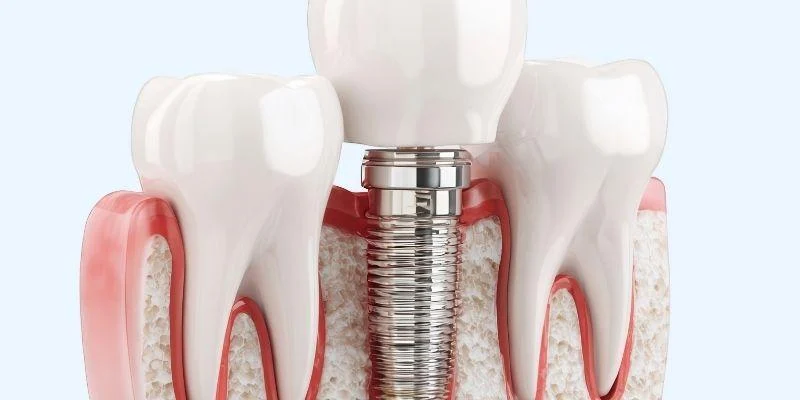
Dental implants act like natural tooth roots by attaching directly to the jawbone. This stops bone loss and keeps your jaw healthy.
Implants also prevent nearby teeth from moving into the empty space. When teeth shift, your bite can become misaligned, causing jaw pain or difficulty chewing.
By placing an implant early, you keep your teeth in place and maintain a proper bite. This helps avoid discomfort and future dental work.
Risks of Delaying Tooth Replacement
Waiting too long to replace missing or damaged teeth can cause several problems. Bone loss may worsen, making it harder to get implants later without extra procedures like bone grafts.
You might also experience more tooth movement, which can lead to crooked teeth or uneven wear. Delaying treatment can make chewing harder.
You may avoid certain foods, affecting your diet and nutrition. Speech problems could also develop, as missing teeth affect how you pronounce words.
Additionally, gums and remaining teeth can become more vulnerable to infection or decay.
Comparing Implants to Dentures and Bridges
Dental implants are different from dentures and bridges because they fuse with your jawbone. This strong connection gives you a stable bite and prevents bone loss. Dental implants have a success rate of up to 98%, making them one of the most reliable options for tooth replacement.
Removable dentures can slip or cause sore spots, while bridges often require grinding down healthy teeth for support. Implant-supported dentures combine the stability of implants with the convenience of dentures.
They don’t shift like traditional dentures and feel more natural. Implants also last longer, making them a good long-term tooth replacement option.
Warning Signs You May Need Dental Implants Soon
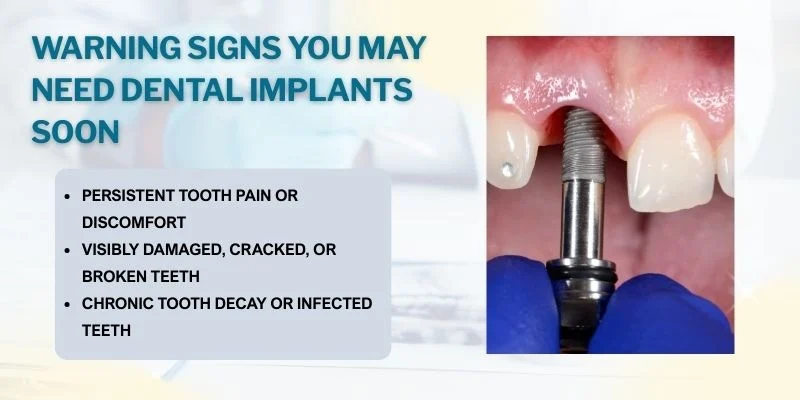
You might notice warning signs that point to bigger problems with your teeth. These signs can show up as pain, visible damage, or ongoing infections.
Catching these early can help you avoid more serious tooth loss.
Persistent Tooth Pain or Discomfort
If you have tooth pain that doesn’t go away, even after using painkillers, it’s a clear sign something’s wrong. This ongoing pain might mean that a tooth is badly damaged or infected deep inside.
Pain can come from nerve damage, severe decay, or an infection that might not heal with just a root canal or other treatments. When a tooth is beyond repair, your dentist might suggest removing it and replacing it with a dental implant.
Ignoring persistent pain can lead to more damage or infection spreading to other teeth. Taking care of tooth pain early can save you from bigger problems later.
Visibly Damaged, Cracked, or Broken Teeth
A tooth that is cracked, broken, or severely damaged might not heal on its own. Cracks below the gum line or large breaks make the tooth weak and prone to infections.
Even if the pain isn’t strong yet, this kind of damage can cause trouble with chewing. It can also lead to infections that hurt your overall oral health.
Dental implants can replace these damaged teeth, giving you a stable and natural-looking solution. Waiting too long to fix damaged teeth may cause bone loss, making later treatments harder.
Chronic Tooth Decay or Infected Teeth
If you’ve had repeated decay or infections in one or more teeth, you might need a dental implant. Constant infections at the root or under the gum can mean the tooth can’t be saved with standard restorations.
Decay that keeps returning after fillings or root canals often means the tooth is weak or has hidden cracks. Infected teeth can cause bad breath and discomfort, even if you brush and floss regularly.
An implant can completely remove the infection source, helping your mouth stay healthy and fresh. This is a reliable way to stop ongoing problems caused by infected or decayed teeth.
Changes in Oral Function and Appearance
Your mouth’s health affects more than just your teeth; it impacts how you eat, speak, and how your face looks. Changes in these areas can signal that your oral health needs attention.
Paying close attention to these signs can help protect your smile and keep your confidence strong.
Missing Teeth and Gaps
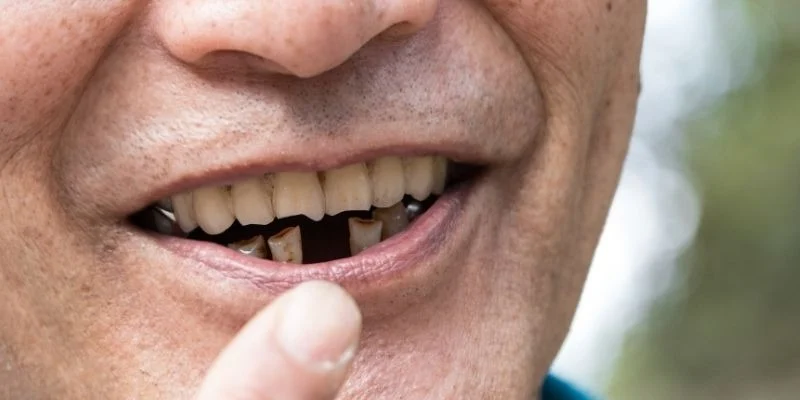
Missing teeth create empty spaces that go beyond just changing how you look. When teeth are gone, the nearby ones can start shifting to fill the gap.
This movement often leads to bite problems and misalignment, which can make chewing harder and uneven. Without a tooth root to support the jawbone, bone loss can start.
This makes the jaw weaker and changes your facial structure. If a tooth is missing for more than a year, the jawbone can lose up to 25% of its volume, which makes it more difficult to place dental implants.
Missing teeth can affect your oral hygiene too, as gaps may trap food and bacteria, increasing risks of gum disease.
Replacing missing teeth early can stop these issues before they get worse. Dental implants help keep the bone healthy and maintain your natural smile and bite.
Difficulty Chewing or Speaking Clearly
If you find it hard to chew food evenly or notice speech changes, these could be warning signs. Missing or loose teeth affect your ability to bite down with full strength.
You might start favoring one side or cutting food into tiny pieces to avoid discomfort. Speech issues like slurring or lisping often happen when teeth are missing, especially the front ones.
This can impact your confidence when talking or socializing. Dental implants restore natural function by replacing teeth and their roots.
This lets you chew efficiently and speak clearly, helping you maintain your everyday routine without avoiding certain foods or activities.
Sunken or Aged Facial Appearance
When teeth and their roots are gone, your jawbone loses stimulation and starts to shrink. This causes the cheeks to look sunken and your face to appear older.
Wrinkles and sagging skin around the mouth can develop, making a prematurely aged look. Dental implants are unique because they support the bone just like natural roots.
This helps preserve your facial structure and keeps your cheeks fuller. Restoring this support can improve your appearance and boost your self-esteem.
Book Your Dental Implant Consultation in Fairfax, Manassas, Stafford, or Fredericksburg
Jawbone and Gum Health Concerns
Your jawbone and gums play a big role in keeping your teeth stable and healthy. Problems like bone loss or gum disease can quietly damage these areas before you even notice.
Paying attention to your jawbone strength, gum condition, and how your bite feels helps catch issues early.
Bone Loss and Jawbone Deterioration
When teeth are missing or gums are unhealthy, your jawbone can start to shrink. This is called bone loss or jawbone deterioration.
Your jawbone needs regular stimulation from chewing to stay strong. Without it, the bone weakens and loses density.
You might notice loose teeth or changes in your facial shape as the jawbone shrinks. If untreated, severe bone loss makes it hard to place implants later without extra procedures like bone grafting.
Bone grafts rebuild lost bone and provide a solid base for implants, but catching this early helps you avoid more complex treatments.
Gum Disease and Gum Recession
Gum disease often starts quietly but damages both your gums and jawbone over time. It causes inflammation and infection that pull your gums away from teeth, known as gum recession.
This exposes tooth roots and puts your teeth at risk. If your gums start to bleed or recede, or if your teeth feel sensitive, these are signs you might have gum disease.
Without treatment, this can lead to bone loss beneath your gums and increase your chances of needing dental implants. Keeping up with good oral hygiene and regular checkups is key to stopping gum disease before it worsens.
Jaw Pain and Uneven Bite
Jaw pain or discomfort, especially when chewing, can hint at problems with how your teeth fit together. An uneven bite puts extra pressure on certain areas of your jaw, which may lead to jawbone stress and pain.
This can happen if you have missing teeth or if teeth start to shift because of bone loss or gum problems. Jaw pain and an uneven bite can increase the risk of implant failure later on.
If you notice persistent jaw pain or changes in how your teeth meet, talk to your dentist to address these issues early before they cause more damage.
Problems with Dentures and Existing Dental Work
You might notice some common problems with dentures or dental work that can cause discomfort or affect your eating and speaking. These issues often signal it’s time to consider better, more stable solutions.
Paying attention to these signs early helps you avoid more serious problems later.
Loose or Unstable Dentures
If your dentures feel loose or they shift when you talk or eat, this can be frustrating and embarrassing. Loose dentures happen because the jawbone starts to shrink after tooth loss, which changes the shape of your gums and makes the denture fit poorly.
This can cause sores or irritation in your mouth, making it painful to wear them. Loose dentures also reduce your chewing power, meaning you might avoid certain foods.
Implant-supported dentures attach securely with titanium posts in your jaw, giving you stability and comfort. Unlike traditional dentures, they don’t slip or need messy adhesives.
This option helps you chew better and speak more clearly.
Slipping or Removable Dentures
Slipping dentures can cause discomfort and make daily activities stressful. If your dentures come out while laughing, coughing, or eating, it means the fit is not right.
Removable dentures require frequent adjustment, and they may cause sore spots on your gums where they rub. You may also feel you spend more time adjusting your denture than enjoying life.
Implant placement through dental implant surgery can stabilize these dentures so they snap firmly in place. This reduces slipping and improves your confidence.
Implant-supported dentures function more like natural teeth, and you don’t need to remove them daily.
Failing Dental Restorations
If you have crowns, bridges, or abutments that feel loose, cracked, or cause pain, they may be failing. Old or damaged dental work can allow decay or infection to develop beneath, threatening your natural teeth and gums.
Failing restorations often mean you’ll need replacements or stronger support. Dental implant surgery is an effective way to replace damaged teeth and support restorations.
Implants use a titanium post inserted into the jawbone, creating a strong foundation for crowns or bridges. This helps protect your jawbone and offers long-lasting, stable results compared to traditional dental work that may fail over time.
Next Steps: When to See a Dentist and Consider Implants
Knowing when to take action can protect your oral health and keep your smile strong. It’s important to understand your tooth replacement choices and what happens during a dental implant consultation so you’re ready for the next steps.
Evaluating Your Tooth Replacement Options
When you visit a dentist, you’ll talk about different ways to replace missing or damaged teeth. Your options might include dentures, bridges, or dental implants.
Dentures are removable but can sometimes feel loose or uncomfortable. Implant-supported dentures offer a firmer fit because they attach to implants in your jawbone.
Bridges, on the other hand, rely on nearby teeth for support. This can weaken those teeth over time.
Dental implants stand out because they replace both the tooth and its root. They help to protect your jawbone and keep your facial structure healthy.
Your dentist will consider your oral health, bone density, and lifestyle. These factors help you pick the best option.
What to Expect from a Dental Implant Consultation
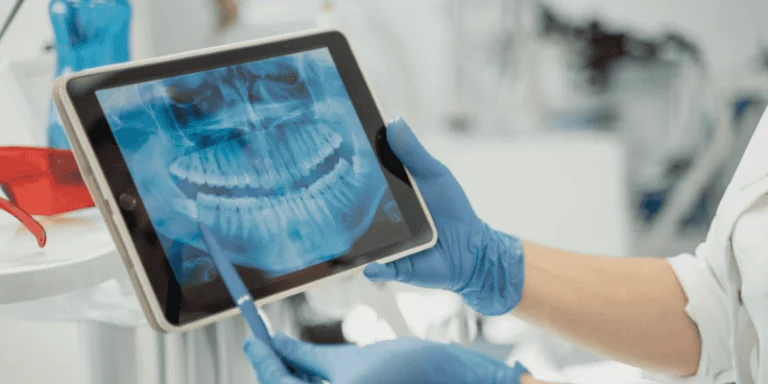
During your consultation, the dentist will examine your teeth, gums, and jawbone. They may take X-rays or 3D scans to check if your jawbone is strong enough for implants.
You’ll discuss your medical history, any current health conditions, and your goals for treatment. The dentist will explain the implant process, including how the implant is placed and how long healing takes.
If your jawbone needs extra support, you might learn about bone grafting. The dentist will also review any costs and answer your questions.
Explore Dental Implants for a Long-Term Solution to Missing Teeth
Frequently Asked Questions
Knowing the signs that point to dental implants can help you act before your tooth issues get worse. You’ll also learn when implants might be a better choice than other options.
Understanding the right timing and potential risks will guide your decision. You will also find out what makes your mouth ready for implants.
What are the early warning signs that I might need a dental implant?
If you notice loose, cracked, or broken teeth that cause pain, that’s a red flag. Difficulty chewing or speaking clearly can also mean implants might be needed.
Persistent bad breath or constant toothaches that don’t go away are signs to watch for. Changes in your jaw shape or a sunken look in your face might show bone loss linked to missing teeth.
Can you explain the indications that dental implants might be a better option than dentures or bridges?
If you deal with slipping dentures or discomfort when eating, implants provide a more stable fit. Dentures don’t stop bone loss, but implants help keep your jawbone healthy.
Implants don’t need adhesives and feel more natural. This makes them a better long-term solution for many.
How can I tell if my tooth damage is severe enough to consider dental implants?
Teeth that are cracked deeply, badly decayed, or infected beyond repair usually need to be removed and replaced with implants. If root canals, crowns, or fillings no longer fix the problem, implants might be necessary.
Severe tooth damage can also cause pain. It may worsen over time if not treated.
Is there a typical timeframe for getting a dental implant after a tooth extraction?
After a tooth is removed, your dentist may suggest waiting a few months for the gums and bone to heal before placing an implant. This healing period can range from 3 to 6 months.
In some cases, immediate implant placement right after extraction is possible. This depends on your oral health.
What are the potential risks of delaying a dental implant procedure?
Waiting too long can cause bone loss in your jaw, making implants harder to place later. Missing teeth also increase the chance that nearby teeth will shift or become loose.
This can lead to bite problems, difficulty chewing, and even changes in your facial appearance.
How can I know if my oral health is suitable for a dental implant?
Your dentist will check for enough jawbone density. They will also check for gum disease or infections.
Good overall health is important because conditions like uncontrolled diabetes can affect healing. If bone loss is present, treatments like bone grafts might be needed before implants can be done.