

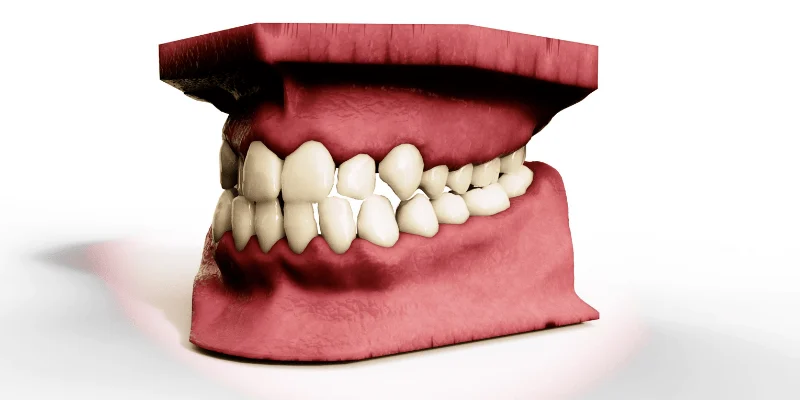
If you need a dental implant in your upper jaw, you may worry about your sinuses. Understanding dental implants’ sinus considerations is important because the roots of upper back teeth sit close to the sinus cavity, making careful planning essential in this area.
Upper jaw dental implants can affect your sinuses, but careful planning and proper care greatly lower the risk.
You deserve clear facts before you move forward. Modern imaging, good bone support, and skilled placement help protect sinus health. When problems do occur, dentists can often prevent or treat them early.
This article explains how dental implants and sinuses connect, what risks to watch for, and how dentists plan safer treatment. You will also learn how to support healing after surgery and protect your long-term comfort.
Key Takeaways
- Upper jaw implants sit close to the sinuses and need careful planning.
- Bone support and surgical technique help reduce sinus problems.
- Good aftercare supports healing and sinus comfort.
Understanding the Connection Between Dental Implants and Sinus Health
Dental implants in the upper jaw sit close to your sinuses, which makes planning and anatomy very important. Bone height, sinus shape, and implant position all affect comfort, healing, and long-term success.
How Upper Jaw Implants Interact With the Sinuses
Upper jaw dental implants often sit near the maxillary sinuses, especially where molars and premolars once were. After a tooth is lost, the upper jawbone can shrink, and the sinus cavities may expand downward. This change can reduce the space needed to place an implant.
If an implant sits too close to the sinus floor, it may irritate the sinus lining. In some cases, it can pass into the sinus space. This risk explains why dentists rely on 3D scans before surgery. According to guidance on sinus health and dental implant success, careful planning lowers these risks.
When bone height is limited, your dentist may suggest a sinus lift. This procedure raises the sinus floor and adds bone support.
The Role of the Maxillary Sinus in Implant Treatment
The maxillary sinus is an air-filled space located above your upper back teeth. It helps with airflow, voice tone, and pressure balance in your face. Because of its location, it plays a direct role in upper jaw implant treatment.
Your dentist must protect the sinus lining during implant placement. Damage can lead to swelling, infection, or sinus pressure. Articles on dental implants and sinus health explain that healthy sinuses improve healing and comfort after surgery.
Dentists also check for sinus issues before treatment. Chronic congestion, infections, or past sinus surgery can affect implant timing and approach.
Sinus Anatomy and Upper Jawbone Structure
Your sinus anatomy and jawbone shape are unique. Some people have large sinus cavities and thin bone, while others have thicker bone and lower sinuses. These differences guide implant size and placement.
Key structures your dentist evaluates include:
- Sinus floor height
- Bone density in the upper jawbone
- Distance between tooth sites and sinus cavities
Detailed scans help your dentist avoid the sinuses and choose safe angles. As noted in discussions on how upper jaw implants can affect sinus health, understanding anatomy reduces problems and supports stable implants.
This planning helps protect your sinuses while creating a strong base for your new teeth.
Risks and Complications: Sinus Issues Linked to Dental Implants
Dental implants in the upper jaw sit close to your sinuses. This location raises specific risks tied to the sinus membrane, healing, and infection. Knowing these risks helps you spot problems early and seek care before symptoms worsen.
Sinus Perforation and Sinus Membrane Problems
Your upper back teeth rest just below the maxillary sinuses. During implant placement, the implant can press into or pass through the sinus membrane. This issue is called sinus membrane perforation or sinus perforation.
Small perforations may heal on their own. Larger ones can cause pain, swelling, or infection. Dentists reduce this risk by using imaging and, when needed, a sinus lift. Articles on dental implants causing sinus complications explain how careful planning lowers these risks.
Problems often happen when bone height is low. Bone loss raises the chance of sinus issues if treatment planning falls short.
Common Sinus-Related Symptoms After Implant Placement
Some sinus-related symptoms can appear days or weeks after surgery. These symptoms do not always mean failure, but they need attention.
Common signs include:
- Sinus congestion or pressure in your cheeks
- Pain near the upper jaw or nose
- Headaches that worsen when you bend forward
- A feeling of fullness under your eyes
These symptoms may result from swelling near the sinus lining. In rare cases, they signal deeper sinus complications. Guidance on sinus problems after dental implant surgery shows how timing and symptom patterns matter.
Early reporting helps your dentist act before symptoms escalate.
Visit our clinic and meet a specialist who can review your imaging, assess bone levels, and determine the safest implant approach for your upper jaw.
Identifying Sinus Infections and Post-Nasal Drip
A damaged sinus membrane can allow bacteria to enter the sinus cavity. This can lead to a sinus infection or repeated sinus infections.
Watch for:
- Thick nasal drainage
- Post-nasal drip with a bad taste
- Fever or fatigue
- Ongoing facial pain
These signs often point to sinusitis, not routine healing. Resources explaining what happens if an implant goes into the sinus describe how infections may start and spread.
Prompt treatment may include antibiotics or minor procedures. Waiting too long can slow healing and affect the implant.
Sinus Complications and Long-Term Effects
Untreated sinus issues can turn into chronic sinusitis. This condition causes repeated congestion, pressure, and drainage that lasts months.
Possible long-term effects include:
- Ongoing sinus inflammation
- Delayed implant bonding
- Implant failure in severe cases
Modern planning reduces these outcomes. Techniques like sinus lifts and precise imaging improve safety, as outlined in discussions on dental implants and sinus health.
When you act early and follow care instructions, most sinus complications stay manageable and temporary.
Assessing and Preparing for Dental Implant Surgery in the Upper Jaw
Upper jaw implant planning focuses on careful exams, clear imaging, and team-based care. These steps protect your sinuses and help support long-term implant stability.
Comprehensive Evaluation and Digital Imaging
Your implant dentist starts with a comprehensive evaluation of your mouth, gums, and medical history. This review helps spot issues that may affect healing or oral surgery outcomes. You also discuss past sinus problems, allergies, or prior dental work.
Digital imaging plays a key role in upper jaw planning. 3D scans and CT images show the exact position of your sinuses and jawbone. These images help guide safe implant placement and reduce surprises during surgery. Many practices use this data for guided implant surgery, which improves accuracy and protects nearby structures.
Clear images allow your care team to plan depth, angle, and spacing before treatment begins.
Assessing Bone Density and Height for Implant Stability
Strong bone density and proper height support secure implants. In the upper jaw, bone can thin over time, especially after tooth loss. Your provider measures the available bone to confirm it can hold an implant without risk.
If you have insufficient bone height, your dentist may recommend bone grafting or sinus augmentation. These steps add support between the jaw and sinus floor. Procedures like a sinus augmentation for dental implants create a stable base and reduce implant failure risk.
This planning stage focuses on long-term implant stability, not speed. Waiting for proper healing often leads to better results.
Working With an Experienced Implant Dental Team

Upper jaw implants often involve both an implant dentist and an oral surgeon. This team approach improves safety and precision. Each provider brings specific training to manage bone, sinus space, and implant hardware.
An experienced oral surgeon handles complex oral surgery when grafting or sinus work is needed. Your implant dentist focuses on alignment, bite balance, and final restoration. Together, they plan each step to avoid sinus issues and support healthy healing.
Choose a team with regular experience in upper jaw cases. Providers who often perform upper jaw dental implant procedures understand the risks and how to manage them before surgery begins.
Planning to visit our clinic? Complete our new patient form online to help us prepare for your visit and evaluate your sinus anatomy before your appointment.
The Sinus Lift and Bone Grafting: Creating a Strong Foundation
Upper jaw dental implants often need extra support because the sinus sits close to the bone. A sinus lift and bone grafting work together to rebuild height and strength so implants can anchor safely.
When Is a Sinus Lift Procedure Needed?
You may need a sinus lift when your upper jaw does not have enough bone to hold an implant. This often happens after tooth loss, since bone shrinks when a tooth root is gone. Large or low sinuses can also limit available bone.
Dentists often find this issue during imaging, such as X-rays or 3D scans. These images show how much bone you have and how close the sinus cavity sits to the implant site. When bone height falls below what implants need, a sinus lift procedure becomes necessary.
A sinus lift, also called sinus augmentation, raises the sinus membrane to make room for added bone. This step helps create a stable base for implants in the upper back teeth. You can learn how this process supports implant placement from this overview of sinus lifts and bone grafting for upper jaw implants.
Bone Graft Materials and Techniques
During bone grafting, your provider places new material where bone is missing. This material supports natural bone growth over time. The goal is to form solid bone that can hold an implant in place.
Common bone graft material options include:
- Donor bone, processed for safety
- Bovine bone, which acts as a scaffold
- Synthetic materials, designed to support bone growth
Your dentist selects the material based on your health, bone needs, and treatment plan. Some grafts work best for larger spaces, while others suit smaller areas. Over several months, your body replaces the graft with your own bone.
This approach gives implants the depth they need, often around 10 millimeters in the upper jaw. This detailed comparison of bone grafting versus sinus lift techniques explains how these choices affect implant planning.
Steps in Sinus Augmentation for Implants
A sinus augmentation follows a clear sequence to protect the sinus and support healing. The procedure usually takes one visit and uses local anesthesia.
Typical steps include:
- The surgeon opens the gum to reach the jawbone.
- A small window allows access to the sinus area.
- The sinus membrane lifts upward with care.
- Bone graft material fills the space below the membrane.
- The site closes and heals over several months.
Healing allows the graft to bond with your natural bone. This process prepares your jaw for a secure implant. A step-by-step explanation of how bone grafts and sinus lifts work for dental implants shows why precision matters at each stage.
Post-Surgery Care and Supporting Sinus Health
Your actions after dental implant surgery affect healing in the upper jaw and how your sinuses respond. Careful daily habits reduce sinus pressure, lower the risk of sinus-related complications, and support long-term implant success.
Essential Aftercare Tips to Minimize Sinus Issues
Follow your dentist’s post-surgery care plan closely during the first two weeks. Avoid blowing your nose, since this can force air into the sinus area and disrupt healing. If you need to sneeze, keep your mouth open to reduce sinus pressure.
Stick to soft foods and chew away from the implant site. This limits stress on the upper jaw while the implant bonds with bone. Drink water often to keep nasal passages moist.
Helpful daily habits include:
- Use a humidifier to prevent dry sinuses
- Take prescribed medicines on schedule
- Brush gently and avoid the surgical area at first
These steps protect the implant and support stable dental restoration.
Monitoring for Sinus-Related Complications
Pay attention to how your sinuses feel after surgery. Mild pressure or congestion can occur, but it should improve each day. Ongoing pain, facial swelling, or a bad taste in your mouth needs prompt care.
Contact your dentist if you notice:
- Thick nasal drainage, especially on one side
- Sharp sinus pain that does not ease
- A feeling of fluid moving near the implant
Early care helps prevent infection and protects your implant. Providers watch closely for issues linked to the sinus cavity, as explained in guidance on sinus problems after dental implant surgery.
Long-Term Implant Success and Sinus Wellness
Once healing begins, steady habits protect both your implant and sinus health. Attend follow-up visits so your dentist can confirm bone bonding and sinus stability. These checks support lasting dental restoration.
Avoid smoking, as it slows healing and irritates sinus tissue. Manage allergies to limit swelling and pressure near the upper jaw. Balanced nutrition also supports bone health.
If you needed added bone support, recovery details for a sinus lift recovery timeline show why patience matters. Healthy sinuses create the right environment for long-term implant success.
Contact us today to book your appointment at the location nearest you and get expert guidance on safe upper jaw implant treatment.
Frequently Asked Questions
Upper jaw dental implants sit close to your sinuses, so careful planning matters. Knowing the risks, treatments, and warning signs helps you protect both your implants and sinus health.
Can dental implants affect my sinuses?
Yes, dental implants in your upper jaw can affect your sinuses because they sit near the maxillary sinus cavities. Problems may happen if an implant sits too close to the sinus wall or enters the sinus space.
Your dentist reduces this risk by using imaging to plan the implant position. Careful placement keeps your sinuses protected and supports long-term implant success, as explained in this guide on how dental implants can affect sinus health.
What is a sinus lift and when might I need one for my implants?
A sinus lift is a procedure that adds bone to your upper jaw below the sinus. Your dentist may suggest it if you do not have enough bone to hold an implant safely.
This added bone creates space and support for the implant. It also lowers the chance of sinus issues during or after treatment, which is why sinus lifts often support long-term implant stability, according to dental implant and sinus health guidance.
Are there specific risks to consider for upper jaw implants near the sinuses?
Upper jaw implants carry a small risk of sinus irritation or infection. These risks increase if bone height is low or the sinus cavity sits close to the implant site.
Dentists manage these risks with detailed scans and treatment planning. Proper implant size and angle help avoid contact with the sinus, as noted in this overview of sinus complications and dental implants.
How long is the healing process for dental implants near the sinus area?
Healing usually takes several months for the implant to fully bond with your bone. If you also need a sinus lift, healing may take a bit longer before the implant is placed or restored.
During this time, your body builds new bone around the implant. Follow your dentist’s care instructions to support steady healing and avoid sinus pressure.
How can I ensure the health of my sinuses after getting dental implants?
You can protect your sinuses by following all post-surgery instructions. Avoid blowing your nose hard, and take prescribed medications as directed.
Regular dental checkups also help catch problems early. Dentists often recommend ongoing monitoring for patients with upper jaw implants, as described in this resource on preventing sinus issues with upper jaw implants.
What signs should I look out for that might indicate a problem with my dental implant and sinus?
Watch for ongoing sinus pressure, facial pain, or nasal congestion that does not improve. Post-nasal drip or headaches after healing may also signal a problem.
If you notice these symptoms, contact your dentist promptly. Early care helps prevent more serious sinus or implant complications, as outlined in this article on dental implant sinus issues.