Many patients reach this point after visiting several offices without finding answers. Cavities are ruled out, sinus issues may be excluded, and they’re simply told it “might be TMJ.” Persistent jaw, face, or head pain may fall under orofacial pain, a specialized field many general dental practices don’t focus on.
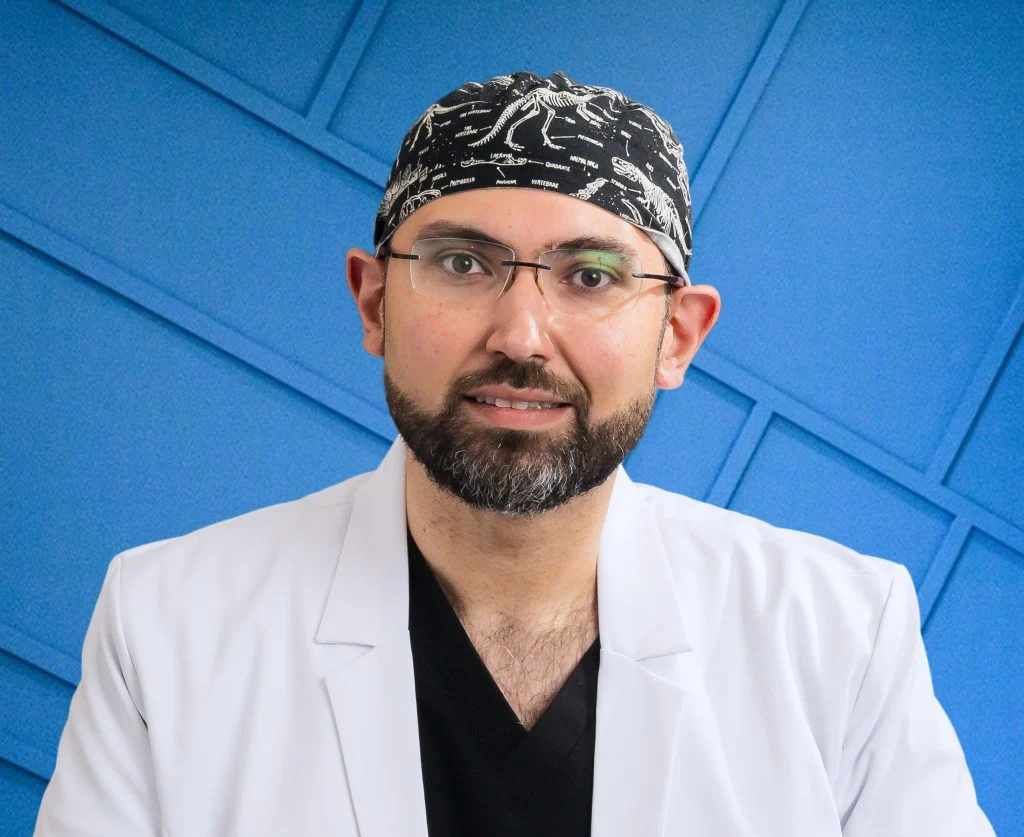
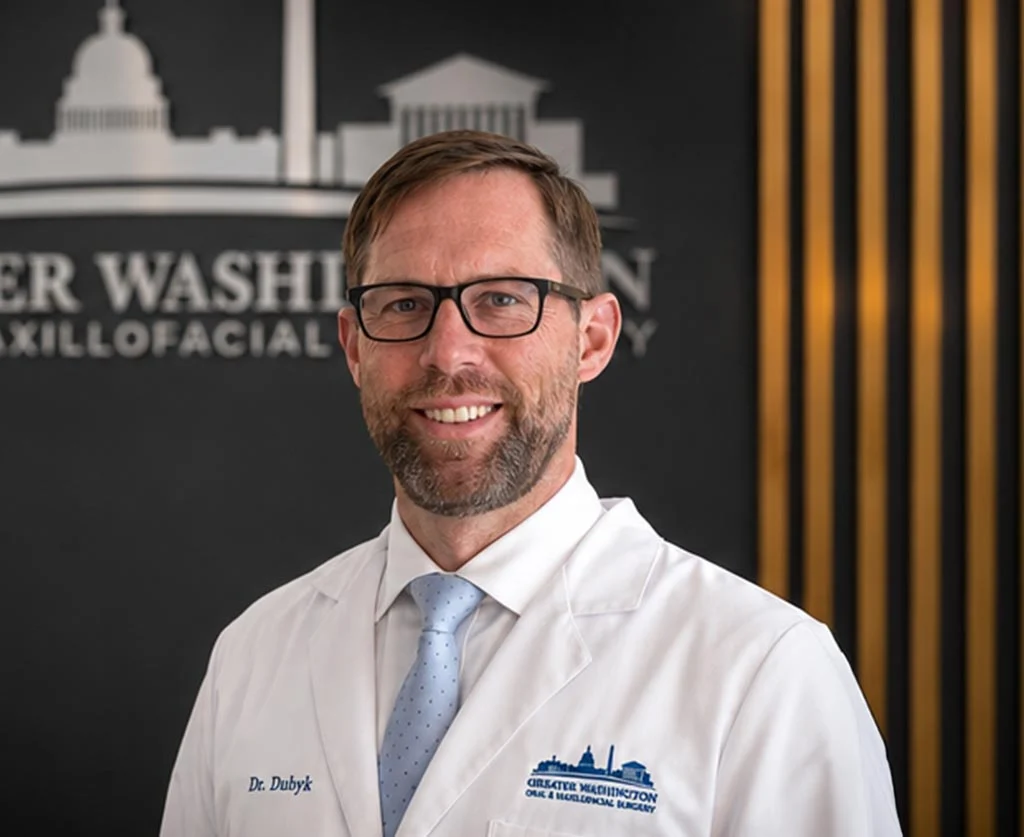
Dr. Nickoli “Nick” Dubyk, DMD, MS, has over 20 years of experience treating complex jaw and facial pain, including pain cases during his U.S. Army career. At Greater Washington Oral & Maxillofacial Surgery, orofacial pain is a core focus of his practice. If you’re searching for an “orofacial pain specialist near me,” this may be the office to call.
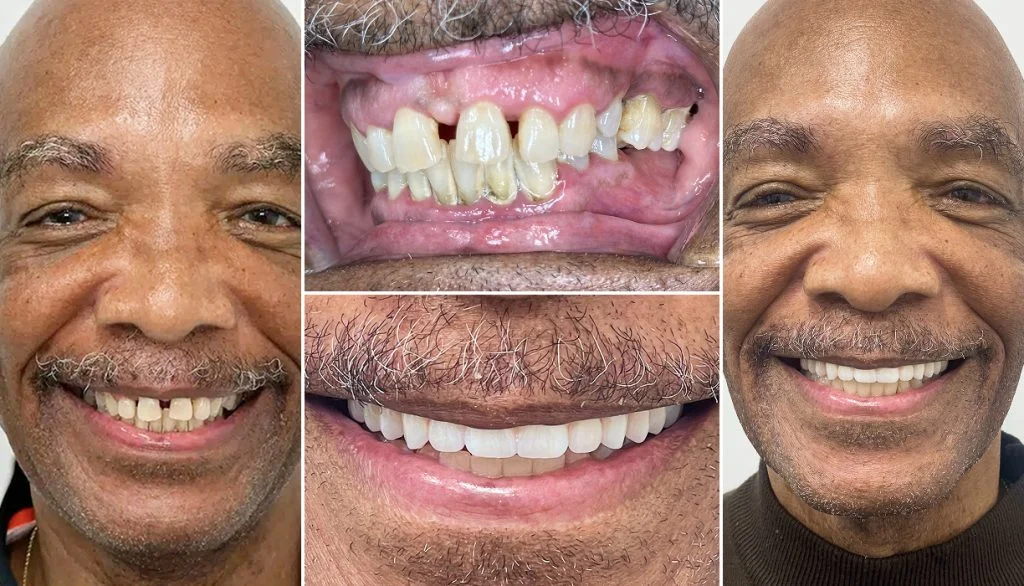
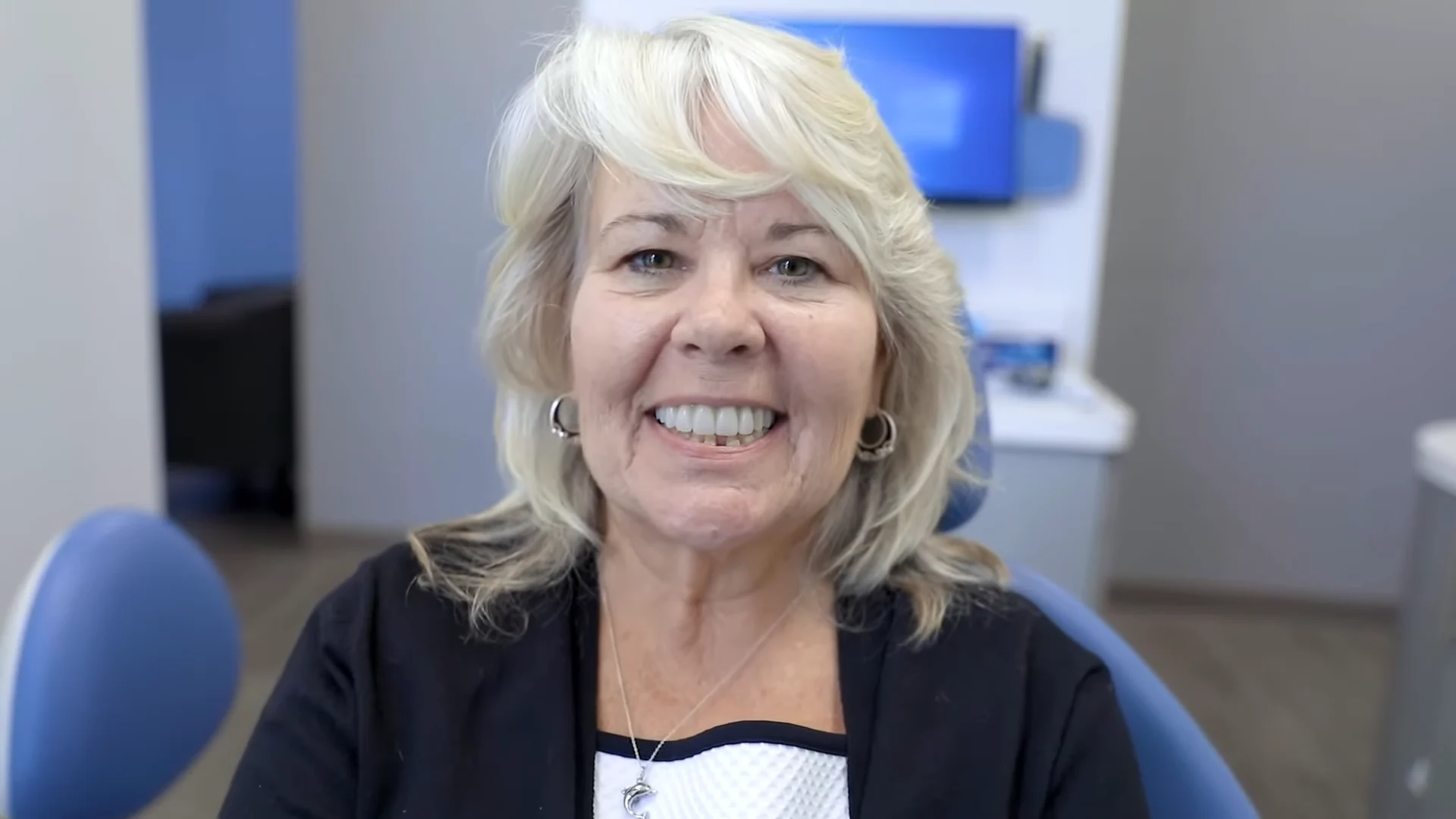
The Proof Is in Our Patients
Your Success Story Starts Here
Take This 60-Sec Quiz to See If Dental Implants are Right for You!
Orofacial pain includes much more than jaw clicking. It can involve the mouth, jaw, face, head, or neck, including tongue burning, facial nerve pain, headaches linked to jaw tension, or unexplained ear pressure.
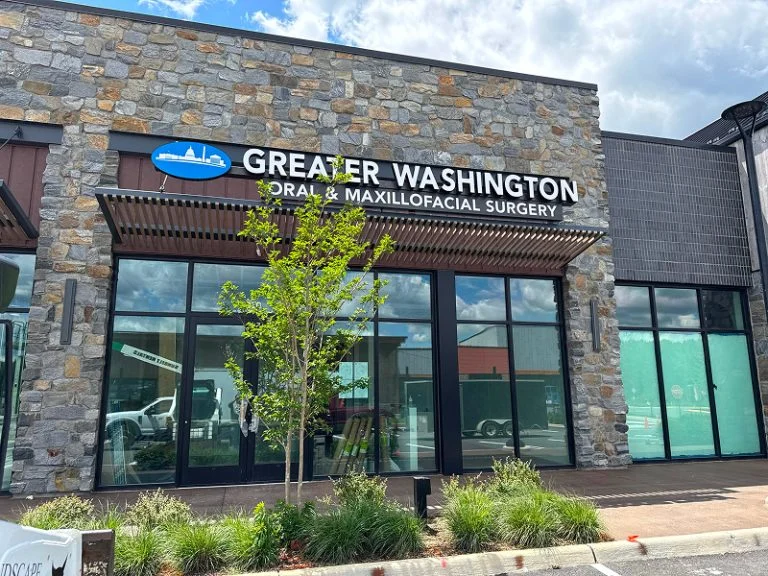
The challenge is that oral facial pain often appears somewhere other than its actual source. A “toothache” may be nerve-related, while a “sinus headache” could come from the jaw joint. Because nerves and muscles overlap throughout this region, proper diagnosis can be difficult.
[DEMO] Sub Header
Be our Next Success Story!
There’s no single fix here; the treatment depends entirely on what’s actually causing the pain, and that’s the whole reason a diagnosis comes before anything else.
For jaw joint problems, Dr. Dubyk typically starts conservatively: custom oral appliances, physical therapy referrals, adjustments to habits that are making things worse. When a case needs surgical input too, he coordinates directly with our TMJ Treatment team, so in practice this functions as a TMJ and orofacial pain clinic rather than two separate departments handing patients back and forth.
Nerve pain, like trigeminal neuralgia, gets managed medically first. Surgery stays on the table only if that doesn’t hold. Headaches that trace back to clenching or bite alignment get treated at the source instead of just handed a prescription for painkillers. And since Dr. Dubyk also has training in Dental Sleep Medicine, he catches cases most dentists miss entirely where bad sleep and jaw tension are quietly making each other worse. All of it falls under what we’d call proper orofacial pain treatment, treated as its own specialty rather than a footnote.
A real diagnosis beats a guess. Instead of “it’s probably TMJ, try some ibuprofen,” you get an exam that tells you whether the problem is the joint, a muscle, or a nerve and a plan that matches. Most patients respond to conservative treatment, so surgery ends up being the exception rather than the default. And because Dr. Dubyk’s background spans TMD, nerve pain, headaches, and sleep, patients tend to skip the usual loop of being sent from a dentist to an ENT to a neurologist and back again with no real progress.
Sleep tends to improve too, since jaw tension and poor sleep feed into each other more than people expect. None of that sounds dramatic on paper. It matters a lot more once you’ve been living without it for months.
Dr. Dubyk’s background covers orofacial pain, TMD/TMJ disorders, chronic headaches, and sleep medicine not a combination you’ll find at most dental offices, or honestly most medical ones either. Patients frequently describe him as the first person who connected the dots after years of being told everything looked normal on their scans.
His starting point is always conservative. Surgery only enters the conversation once non-invasive care has been tried and hasn’t worked, not before. Two decades split between military and civilian pain management is the kind of background you’d want from a facial pain specialist, not just someone who took a weekend course on TMJ.
689+
Smiles Restored
4
Convenient Locations
98%
Patient Satisfaction
10,000+
Implants Placed
30+ Years
Combined Experience
689+
Smiles Restored
4
Convenient Locations
98%
Patient Satisfaction
10,000+
Implants Placed
30+ Years
Combined Experience
689+
Smiles Restored
4
Convenient Locations
98%
Patient Satisfaction
10,000+
Implants Placed
30+ Years
Combined Experience
689+
Smiles Restored
4
Convenient Locations
98%
Patient Satisfaction
10,000+
Implants Placed
30+ Years
Combined Experience
689+
Smiles Restored
4
Convenient Locations
98%
Patient Satisfaction
10,000+
Implants Placed
30+ Years
Combined Experience
You get an exam that actually tells you where the pain is coming from joint, muscle, or nerve instead of “it’s probably TMJ, try ibuprofen.”
One doctor who covers TMD, nerve pain, headaches, and sleep issues together, so you’re not bounced between a dentist, an ENT, and a neurologist.
Most cases respond to appliances, medication, or physical therapy. Surgery only comes up if conservative care genuinely doesn’t work.
Jaw tension and poor sleep tend to feed off each other. Treating one usually eases the other, often within the first few weeks.
Eating without wincing, talking without your jaw locking up, making it through work without a headache building small things until they’ve been missing for months.
Four offices across Fairfax, Manassas, Stafford, and Fredericksburg, so follow-ups don’t turn into a half-day trip.
Your First Appointment
Search “facial pain specialist near me” or “facial pain doctor near me” and most of what comes back is general dentists and physical therapists who treat TMJ occasionally, not specialists who treat orofacial pain as their core focus. That’s the gap here. Patients from Fairfax, Manassas, Stafford, and Fredericksburg come in specifically because the evaluation goes deeper, treatment stays conservative until it genuinely needs to escalate, and there’s a full oral surgery team available if a case turns out to be more complicated than it first appeared. Four offices across the region also mean follow-ups don’t turn into a whole afternoon.
Chronic jaw and facial pain has a way of quietly running your day: how you eat, how you sleep, whether you can get through work without your jaw aching. If you’ve been dealing with unexplained oral facial pain and haven’t gotten a straight answer, it’s worth talking to someone who treats this specifically instead of occasionally.
Frequently Asked Questions
No, TMJ is one type of orofacial pain, not the whole category. Orofacial pain covers any persistent pain in the mouth, jaw, face, head, or neck, including nerve pain, burning mouth syndrome, and headaches tied to clenching. TMJ disorders are common, but assuming every case is TMJ is exactly how people end up misdiagnosed.
Because the pain probably isn’t coming from the tooth. Nerve irritation, jaw muscle strain, and joint problems all refer pain into teeth that are perfectly healthy, which is why the exam comes back clean. If your dentist has imaged the tooth and found nothing, that’s a reason to look wider, not a dead end.
Most patients don’t need one, though some insurance plans require a referral for coverage. You’re welcome to call and schedule directly. If another provider has already evaluated you, bring their notes and any imaging; it saves repeating tests you’ve already had.
Most likely not. The majority of orofacial pain cases respond to conservative treatment: custom oral appliances, physical therapy, medication, or changes to habits that are making things worse. Dr. Dubyk only raises surgery after non-invasive care has been genuinely tried and hasn’t held.
It depends on the cause, but many patients notice improvement within the first few weeks of starting treatment. Muscle-related pain often responds quickly. Nerve pain and long-standing joint problems usually take longer and need adjustment along the way. You’ll get a realistic timeline at your first visit rather than a vague promise.
Bring a list of what you’ve already tried and how well it worked, any imaging from previous providers, and a current medication list. If you’ve seen a dentist, ENT, or neurologist about this, their notes help. The more history you bring, the less ground gets re-covered.
Yes, and it’s one of the most commonly missed connections. Clenching and jaw muscle strain refer pain into the temples and behind the eyes, which is why these headaches get treated as migraines for years without improvement. Treating the jaw at the source often resolves headaches that painkillers never touched.
Still Have Questions?
Real Patients, Real Transformations
Your Success Story Starts Here
Take This 60-Sec Quiz to See If Dental Implants are Right for You!
Northern Virginia's Most Advanced Technology
Every piece of technology we use is chosen with one thing in mind: your comfort. These tools cut down treatment time, ease discomfort, and speed up healing , which is exactly why Northern Virginia patients keep trusting us with their care.
Flexible Payment Plans Available
NO Credit Score Impact Until Plan Selected.
Start Your Treatment Today With Easy Financing
Your Smile Transformation Specialists
Lead Oral & Maxillofacial Surgeon
Oral & Maxillofacial Surgeon
Board-Certified Periodontist
Oral & Maxillofacial Surgeon
Be our Next Success Story!
Hundreds of Families Trust Their Smiles to Our Care
4.9★ out of 5
Convenient Locations
Find Your Nearest Location and Request An Appointment Today
Stay Informed, Smile With Confidence
Fredericksburg Office
Fredericksburg, VA
Fairfax Office
Fairfax, VA
Manassas Office
Manassas, VA
Stafford Office
Stafford, VA
Search for services, dental procedures, and expert tips from our patient resources.
Popular searches: Dental Implants, Cleanings, Insurance.
[DEMO] Lorem ipsum dolor sit amet
[DEMO] Lorem ipsum dolor sit amet
[DEMO] Lorem ipsum dolor sit amet