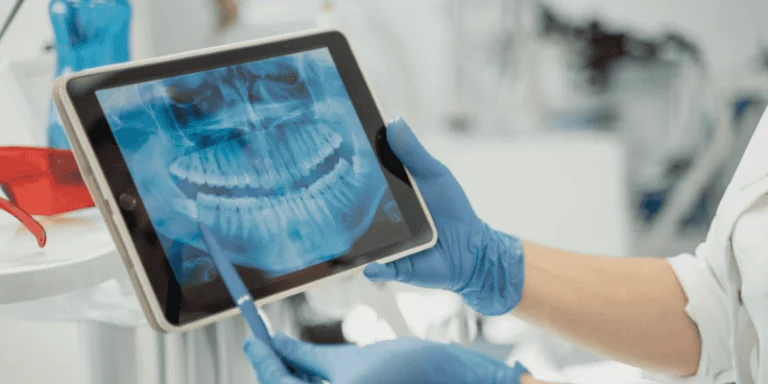


Wisdom teeth pain can be more than just a nuisance; it can signal a serious problem that needs quick action. When your wisdom teeth cause severe pain, swelling, or signs of infection, it can become a surgical emergency requiring prompt treatment to avoid complications.
Knowing when to seek help can save you from prolonged discomfort and more serious health issues.
Many people don’t realize that problems with wisdom teeth don’t always start mild and slow. Sometimes, pain can become sudden and intense, signaling issues like impaction, infection, or abscesses.
These conditions often require emergency wisdom tooth removal to relieve pain and prevent damage to nearby teeth or jawbone.
Key Takeaways
- Severe pain and swelling around wisdom teeth often need immediate attention.
- Emergency surgery can prevent damage and stop infections from spreading.
- Prompt treatment helps you recover faster and maintain better oral health.
Get Emergency Wisdom Tooth Care in Fairfax, Manassas, Stafford, or Fredericksburg Today
Recognizing When Wisdom Teeth Pain Signals an Emergency
Wisdom tooth pain isn’t always a reason to panic, but certain signs mean you should act fast. Knowing exactly what to watch for can help you avoid serious problems and get the right treatment quickly.
Key Signs and Symptoms of Serious Problems
If your wisdom tooth pain is sharp, constant, or getting worse, it could mean a serious issue. Watch for swelling around your gums or face, which might signal an infection or impaction.
You might also notice redness, tenderness, and trouble opening your mouth fully. Other warning signs include fever, chills, or pus draining from around the tooth.
These often mean you have an infection like pericoronitis, which can spread and needs emergency attention. Severe pain that doesn’t get better with over-the-counter medicine is also a red flag.
Differences Between Urgent and Routine Discomfort
Routine wisdom tooth pain usually feels dull and comes and goes. It may happen when the tooth is just starting to appear and can improve with basic care like saltwater rinses or gentle brushing.
Urgent pain is more intense and may throb or radiate to your ear or jaw. It often lasts for days without relief and might be paired with swelling, bad breath, or difficulty eating.
Unlike regular aches, urgent pain might indicate an impacted tooth or a painful infection. If you can still open your mouth easily and manage pain with simple remedies, it’s likely a problem your dentist can handle during a regular visit.
When to Call a Dentist or Oral Surgeon
You should call a dental professional right away if you have severe pain, noticeable swelling, or trouble swallowing or breathing. These signs may need emergency wisdom tooth removal.
Also, reach out if you have a fever above 101°F (38.3°C), pus discharge, or if pain keeps you from eating or sleeping. An oral surgeon is usually the specialist for severe cases, especially if your wisdom teeth are impacted or infected.
Don’t wait if pain gets worse or you spot unusual symptoms. Early treatment can prevent harder problems like abscesses or cysts from forming.
Same-Day Emergency Wisdom Tooth Removal Available in the Greater Washington Area
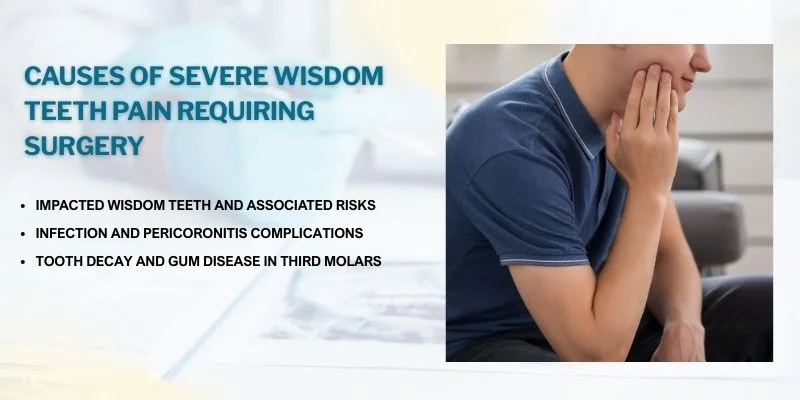
Causes of Severe Wisdom Teeth Pain Requiring Surgery
Severe pain from wisdom teeth often comes from specific problems that can affect your oral health. These issues include wisdom teeth that don’t grow properly, infections around the teeth, and damage to the teeth and gums.
Understanding these causes can help you know when surgery might be necessary to relieve your pain.
Impacted Wisdom Teeth and Associated Risks
When your third molars, or wisdom teeth, don’t have enough space to grow fully, they become impacted. This means they get stuck under your gums or grow at an awkward angle.
This can push against nearby teeth, causing pain and sometimes even damage to those teeth. Impacted wisdom teeth often bring swelling and can make your jaw sore.
About 90% of people have at least one impacted wisdom tooth.
If they crowd your other teeth, they might shift your smile or undo previous dental work. Sometimes, impacted teeth lead to cysts, which are fluid-filled sacs that can harm your jawbone if not treated.
Surgery to remove impacted wisdom teeth is often the best way to stop the pain and avoid lasting damage.
Infection and Pericoronitis Complications
Infections around wisdom teeth can cause serious pain, especially a condition called pericoronitis. This happens when a tooth is partially broken through the gum, creating a pocket where bacteria gather.
Pericoronitis affects up to 81% of partially erupted wisdom teeth at some point.
The gums around the tooth can become red, swollen, and painful. You might find it hard to open your mouth or chew properly.
If the infection spreads, it can cause swelling in your face or even lead to fever and a bad taste in your mouth. Quick treatment, often through surgery, is needed to clear the infection and prevent it from spreading to other parts of your head and neck.
Tooth Decay and Gum Disease in Third Molars
Wisdom teeth are hard to clean because of their position at the back of your mouth. This makes them more likely to develop tooth decay and gum disease.
When bacteria build up around these teeth, you can get cavities or gum infections that cause severe pain. Decay can damage the tooth’s structure, while gum disease can cause your gums to bleed and swell.
Both can lead to infections or even loss of the tooth if not treated. In many cases, removing the affected wisdom tooth is the best way to stop the pain and protect your overall oral health.
Don’t Ignore Emergency Wisdom Tooth Symptoms: Get Help Now
Emergency Wisdom Tooth Removal: What to Expect
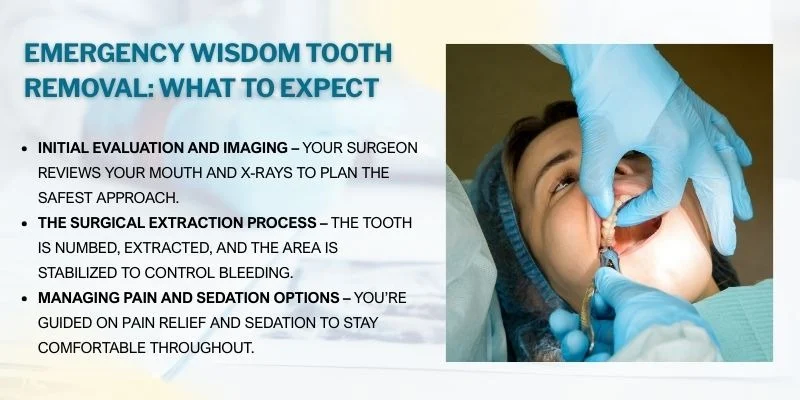
When you face emergency wisdom tooth removal, knowing what happens before, during, and after surgery can help you feel more comfortable. You’ll go through an exam with X-rays, a surgical procedure to take out the tooth, and options to manage pain and anxiety so you’re at ease.
Initial Evaluation and Imaging
Your oral surgeon will start by checking your mouth and reviewing X-rays or a 3D scan. These images show the exact position of your wisdom teeth and their roots.
This helps your surgeon plan the safest way to remove the tooth. You’ll be asked about your dental history and any pain, swelling, or signs of infection you are feeling.
Sometimes, tests are done to make sure there is no active infection before surgery. This evaluation also includes talking about anesthesia options.
Your surgeon will explain what kind of numbness or sedation will be best for you, depending on the complexity of the extraction and your comfort level.
The Surgical Extraction Process
Emergency wisdom tooth removal usually requires surgery because the teeth are often impacted or hard to reach. First, the surgeon will numb the area with a local anesthetic.
In many cases, sedation is offered to keep you relaxed during the procedure. The surgeon may need to make a small cut in your gum to access the tooth.
Sometimes, the tooth is broken into pieces to make it easier to remove. Special tools help loosen and pull out the tooth carefully.
After removal, the wound might be stitched to help it heal faster. You may be asked to bite on gauze to control bleeding.
The entire process usually lasts about 30 to 60 minutes.
Managing Pain and Sedation Options
Pain control is important, especially after emergency wisdom tooth extraction. Your surgeon may prescribe pain relievers or recommend over-the-counter options.
Swelling and discomfort are normal for a few days. If you’re nervous or afraid of dental procedures, sedation choices include nitrous oxide (laughing gas), oral medications, or IV sedation.
This helps you stay calm or sleep lightly during surgery. After the procedure, you’ll get specific care instructions.
Using ice packs, eating soft foods, and avoiding certain activities like smoking can speed up healing and reduce pain.
Complications and Risks of Delaying Treatment
When you wait too long to treat wisdom teeth pain, the problems don’t just stay small. Issues can grow worse, affecting your gums, teeth, and even your jaw.
Some risks build quietly but cause serious damage, while others bring sharp pain or infection.
Infections and Abscess Formation
If your wisdom teeth are partially erupted or impacted, food and bacteria can get trapped around them. This often causes pericoronitis, an infection of the gum tissue surrounding the tooth.
You might notice swelling, bad breath, or painful jaw stiffness. When infection spreads deeper, it can form an abscess; a pocket of pus that causes severe pain and swelling.
This type of infection can affect your overall oral health and may even spread to other areas of your face or neck if left untreated. Delaying treatment gives bacteria more time to harm your gums, increasing the risk of gum disease and tooth decay.
Cleaning around wisdom teeth is hard, so infections tend to worsen without care. Acting early helps prevent these serious infections.
Cysts, Nerve Damage, and Jawbone Effects
Impacted wisdom teeth don’t just cause pain; they can create cysts; fluid-filled sacs that grow near the tooth root. Over time, these cysts can destroy parts of your jawbone, making future treatments more complicated.
Pressure from impacted teeth can also harm nearby teeth, pushing them out of alignment or causing decay by trapping food particles. In some cases, delaying removal can increase the chance of nerve damage.
You could feel numbness or tingling in your tongue, lips, or chin if nearby nerves are affected. As you get older, your jawbone hardens, and wisdom teeth roots become stronger.
This leads to longer recovery and a higher risk of surgical complications. Treating wisdom teeth earlier often means safer, easier procedures with fewer risks.
Recovery After Emergency Wisdom Teeth Surgery
After emergency wisdom teeth surgery, you’ll need to care for your mouth carefully to reduce pain and avoid complications. Managing swelling and protecting the surgical sites are key.
You will also want to watch for issues like dry socket, which can cause extra pain and slow healing. Knowing the typical healing steps will help you feel more prepared each day.
Post-Operative Care Instructions
Right after surgery, your mouth will feel numb. It’s important to rest and avoid heavy activity for at least 24 hours.
Use ice packs on your cheeks for 20 minutes, then take 20-minute breaks to help reduce swelling. Your oral surgeon will likely give you gauze; bite down gently to control bleeding.
Stick to soft foods like yogurt, mashed potatoes, and soups for several days. Avoid chewing near the surgery site and don’t use straws, as sucking can loosen blood clots.
Keep your head elevated when lying down to lower swelling. Take pain medications exactly as prescribed to stay comfortable.
Brush gently and avoid the extraction areas for a few days. Rinsing your mouth with warm saltwater starting 24 hours after surgery can keep things clean and help healing.
Dry Socket Prevention and Management
Dry socket happens when the blood clot at the tooth removal site becomes dislodged or doesn’t form well. If this happens, you’ll feel sharp pain that may spread to your ear or eye.
It’s one of the most common problems after wisdom tooth removal. To prevent dry socket, don’t smoke, avoid spitting forcefully, and don’t use straws for at least a week.
Keep your mouth clean with gentle rinses and follow all instructions from your oral surgeon. If you think you have a dry socket (pain that worsens after a few days, bad taste, or empty hole at the site) contact your dentist or oral surgeon quickly.
They can clean the area and use special dressings or medicine to help relieve pain and speed healing.
Expected Healing Timeline
Swelling and pain are usually worst during the first 48 to 72 hours after surgery. During this time, stick to soft foods and avoid activities that might disrupt healing.
By days 4 to 7, swelling should start to go down. You’ll feel less pain.
Around week 2, most swelling is gone, but some tenderness and jaw stiffness can last longer. You can slowly start eating firmer foods but still avoid anything too crunchy or hard.
By weeks 3 to 4, your mouth should almost be back to normal. Follow-up visits with your oral surgeon can make sure your healing is on track and let you ask any questions.
Long-Term Wisdom Teeth Health and Prevention
Taking care of your wisdom teeth over time can help you avoid pain and serious problems. Watching how they grow and keeping your mouth clean are key to protecting your oral health.
Monitoring and Early Intervention Strategies
Regular dental checkups are important for tracking your third molars. Your dentist will likely use X-rays to see if your wisdom teeth are impacted, growing in at a bad angle, or crowding other teeth.
Catching these issues early can prevent pain and infections. If your wisdom teeth show signs of causing trouble (like shifting your other teeth or causing recurring pain) your dentist might suggest gentle removal before the problem worsens.
Early intervention helps avoid complex procedures later on and protects your smile. Be proactive: schedule exams every six months, especially if you’re a teen or young adult.
This way, your dentist can spot issues before they cause discomfort or oral health problems. Monitoring helps you stay ahead of wisdom tooth pain and avoid emergency visits.
Improving Oral Hygiene Around Third Molars
Wisdom teeth are often hard to clean because of their position at the back of your mouth. Good oral hygiene around these teeth lowers the risk of infections and cavities, which are common sources of wisdom tooth pain.
Use a soft-bristled toothbrush and brush gently but thoroughly around the back molars. Floss carefully to remove food and plaque stuck between your teeth.
Mouth rinses with saltwater can help reduce gum swelling if you feel sensitivity. Consider interdental brushes or water flossers to reach tricky spots near partially emerged wisdom teeth.
Keeping these areas clean lessens bacteria buildup and reduces the chance of painful gum infections like pericoronitis.
Frequently Asked Questions
You might be wondering how to ease severe wisdom tooth pain at home and when it’s time to see a dentist right away. Knowing the warning signs of infection and what happens after extraction can help you manage your pain safely.
What can I do at home to alleviate severe wisdom tooth pain?
Applying a cold compress to your cheek can reduce swelling and numb the pain. Rinse your mouth several times a day with warm salt water to fight infection and ease gum inflammation.
Over-the-counter pain relievers like ibuprofen work well to reduce both pain and swelling. Be sure to follow the dosage instructions on the package for safe use.
How can I tell if my wisdom tooth pain is a sign of pericoronitis?
Pericoronitis happens when the gum tissue around a partially erupted wisdom tooth becomes infected. You’ll likely notice redness, swelling, and tenderness near the tooth.
Bad breath or a bad taste in your mouth can also signal an infection. If you see pus or feel persistent pain that doesn’t improve, it may be pericoronitis.
What are the indications that wisdom tooth pain has become an emergency?
Severe pain that doesn’t go away with pain medication is a key sign. Swelling that spreads to your eye, neck, or makes breathing or swallowing difficult needs urgent care.
Other emergency signs include fever, swollen lymph nodes, and pus leaking from around the tooth. These symptoms suggest the infection could be spreading and require immediate attention.
Is it normal for wisdom tooth pain to fluctuate, and why does this happen?
Yes, the pain can come and go. When you lie down, blood flow to your head increases, making the pain feel worse at night.
Pain may also vary if the tooth is trying to break through the gum or if food irritates the area. This back-and-forth discomfort is common but should not last too long.
When is it appropriate to seek 24-hour emergency care for a wisdom tooth issue?
If pain is intense and unrelieved by over-the-counter medicine, you should seek help fast. Difficulty breathing or swallowing, spreading swelling, or signs of fever means you need emergency care.
Waiting too long in these cases can lead to serious health problems, so don’t delay calling your dentist or going to an emergency clinic.
What should I expect in terms of pain after a wisdom tooth extraction and when should I seek help?
Mild to moderate pain and swelling is normal for a few days after extraction. Your dentist may recommend painkillers and ice packs to manage discomfort.
Contact your dentist if you have severe pain that gets worse after 3 days. Excessive bleeding, fever, or swelling that increases suddenly could mean infection or dry socket needing professional care.