
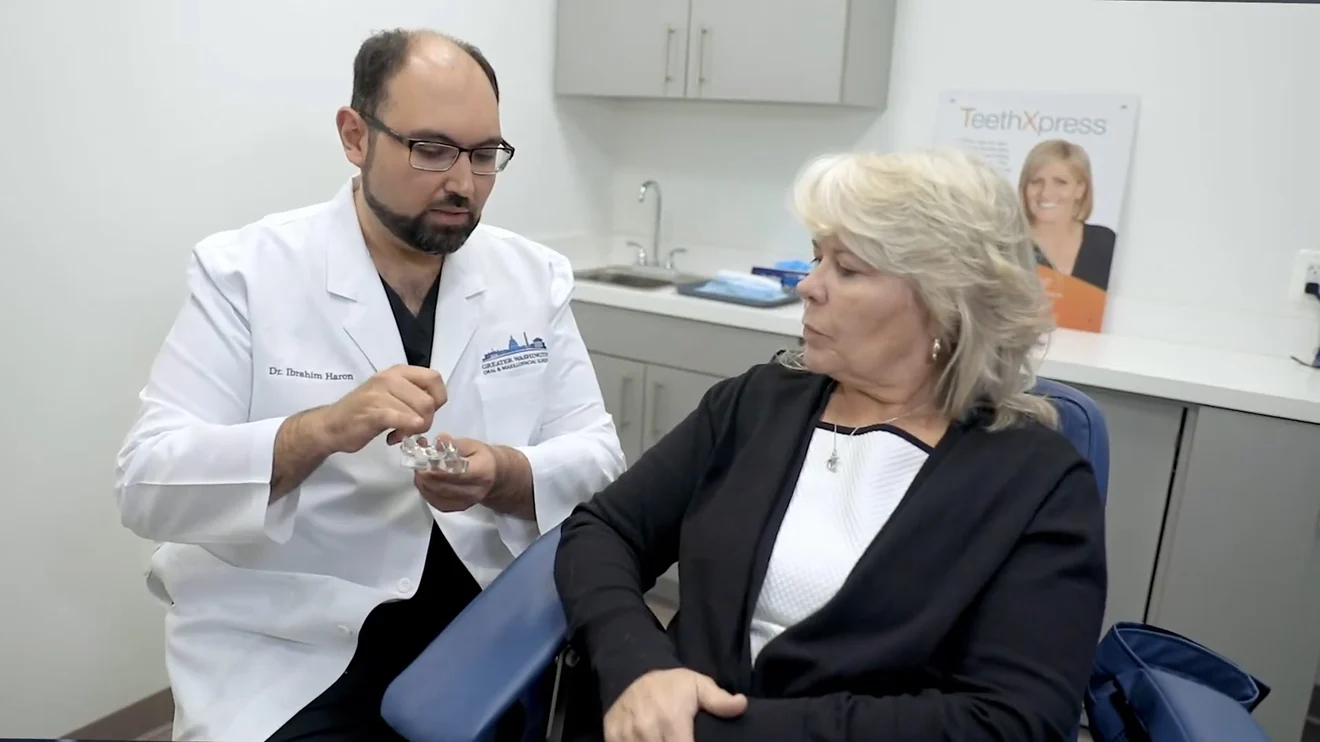
Your tooth extraction is complete, and now proper aftercare will help ensure smooth healing and prevent complications. Some discomfort, swelling, and light bleeding are completely normal following an extraction. Whether you had a simple or surgical extraction, following these guidelines will support your recovery. Please watch the short video below and review these instructions carefully.
The First 24 Hours: Immediate Care
Managing Bleeding
Some bleeding and saliva on the gauze is normal after a tooth extraction. The key to healing is forming and protecting the blood clot in the extraction site. Here’s how to control bleeding:
- Bite down firmly on the gauze pad placed over the extraction site
- Maintain steady pressure for 30 minutes at a time
- Replace the gauze every 30 minutes as needed; we will provide extra pieces for your convenience
- Once the gauze shows only a pinkish color, you can remove it and leave it out
- Repeat as needed until bleeding stops
What to Avoid
During the first week, do NOT:
- Suck on a straw
- Smoke
- Suck on hard candies or popsicles
- Brush near the extraction site (first 24 hours only)
- Rinse your mouth (first 24 hours only)
- Spit forcefully
These activities create suction that can dislodge the blood clot protecting your extraction site, potentially causing a painful condition called dry socket.
Diet Restrictions
You will remain on a soft food diet for the first week. Stick to easy to chew foods such as:
- Mashed potatoes
- Soups (lukewarm, not hot)
- Yogurt
- Smoothies (no straw)
- Scrambled eggs
- Fish
- Jell-O
- Applesauce
Avoid hot and spicy foods, as well as carbonated and alcoholic beverages for at least 24 hours. Stay away from hard, crunchy, or chewy foods that could irritate the extraction site.
Rest and Activity
Restrict your activities on the day of surgery. Avoid excessive work or strenuous physical activity. Rest with your head slightly elevated to help reduce swelling. You can resume normal activities the following day as you feel comfortable.
Medications
It is important to understand that you may have some discomfort after your procedure. You will likely be prescribed an antibiotic and pain reliever. Please have these filled as soon as possible and begin taking them as soon as you receive them.
- Antibiotics: Continue taking until the entire prescription is gone to help prevent infection
- Pain medication: Take as needed for comfort
Important: If you have been prescribed pain medication other than aspirin, Tylenol, or ibuprofen (Advil or Motrin), do not drive, operate heavy equipment, work around machinery or tools, or engage in any activity that requires full alertness. These medications will affect your reflexes and judgment.
Important for Parents
Children should be supervised closely after an extraction to make sure they do not bite or chew their tongue, lips, or cheeks while still numb. This can cause serious injury to the soft tissue.
Days 2-3: Reducing Swelling
Managing Swelling
Swelling will be at its peak on the second or third day after surgery. Swelling around your face, eyes, and the extraction site is common and a normal part of healing.
Cold Therapy (First 24 Hours)
- Apply ice packs to the outside of your face near the extraction site
- Never apply ice directly to your skin; always use a cloth barrier
- Use for 20 minutes on, then 20 minutes off
- Repeat as needed throughout the day
Warm Therapy (After 24 Hours)
- Switch to warm compresses on the sides of your face near the surgical areas
- Use a warm washcloth or heating pad
- Continue the 20 minutes on, 20 minutes off pattern
- This helps reduce lingering swelling
Starting Oral Hygiene
Maintaining your oral health is very important after your surgery. The day after your procedure, you can begin gentle oral care:
Salt Water Rinses
- Mix one half teaspoon of salt in an eight ounce glass of warm water
- Rinse gently four times a day
- Do not swish vigorously; let the water move gently through your mouth
- Do not spit forcefully; lean over and let the water fall out
Brushing
- You may begin brushing the day after surgery
- Be careful to avoid the extraction sites
- Brush the rest of your teeth normally
Days 4-7: Continued Healing
Expanding Your Diet
As you feel comfortable, you can gradually introduce more solid foods. Continue to follow a soft food diet for the first week, avoiding anything hard, crunchy, or chewy that could irritate the extraction site. Most patients can begin eating more normally after the first week, depending on their comfort level and healing progress.
Sutures
You will have stitches in the surgical site which will dissolve on their own, typically within seven to ten days. It may not be necessary to return to the office for suture removal. If your sutures do require a follow-up visit, we will let you know at the time they are placed.
Understanding Normal Healing
Recovery time depends on the type of extraction you had:
- Simple extractions: Recovery typically takes three to four days, with mild swelling and soreness
- Surgical extractions: You may need a full week to recover, with swelling and discomfort lasting longer
Most patients feel significantly better within a week, though complete healing of the bone and gum tissue can take several weeks to months.
When to Call Our Office
Contact us if you experience:
- Severe pain that is not relieved by medication
- Excessive bleeding that doesn’t stop with gauze pressure
- Significant swelling that worsens after the first few days
- Signs of infection (fever, increasing pain, pus, or foul taste)
- Difficulty swallowing or breathing
- Any concerns about your healing progress
Your post-operative instruction sheet includes a phone number that is available 24 hours if you have any questions or concerns after the office is closed.
For serious or life threatening emergencies, please call 911 or visit the nearest emergency room.
Questions?
If you have any questions or concerns during your recovery, please call our office. We’re here to support you through every stage of healing and ensure you recover comfortably.