Subperiosteal Dental Implants for Patients with Severe Bone Loss
If a dentist has ever glanced at your X-ray and told you flat out you’re not a candidate for implants, keep reading. Severe jawbone loss used to mean a lifetime stuck with loose dentures, sore gums, and a running mental list of foods you just don’t touch anymore. Subperiosteal implants exist precisely for that situation, and the version of this treatment on offer now barely resembles what dentists were doing with it decades back.
Below we’ll get into what these implants really are, how they measure up against traditional implants, what surgery and recovery involve, and the questions patients tend to bring up before they book a consultation.
Request an appointment and start your smile journey today.
Nothing tells the story better than the patients who’ve lived it. Hear directly from them about what changed from that first consultation to the moment they finally felt like themselves again.
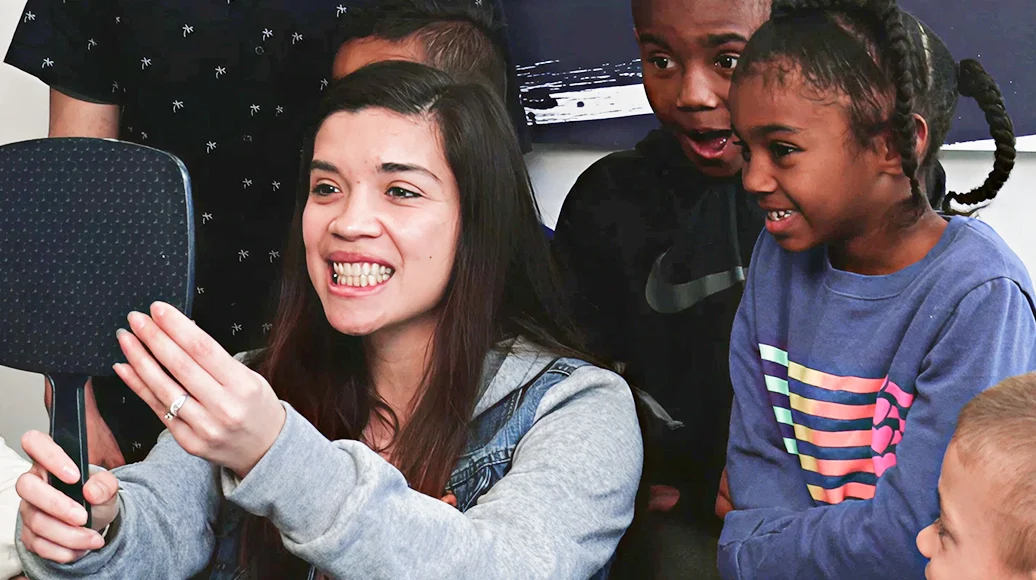
Rosa Linda
I Can Take Pictures with My Kids Again
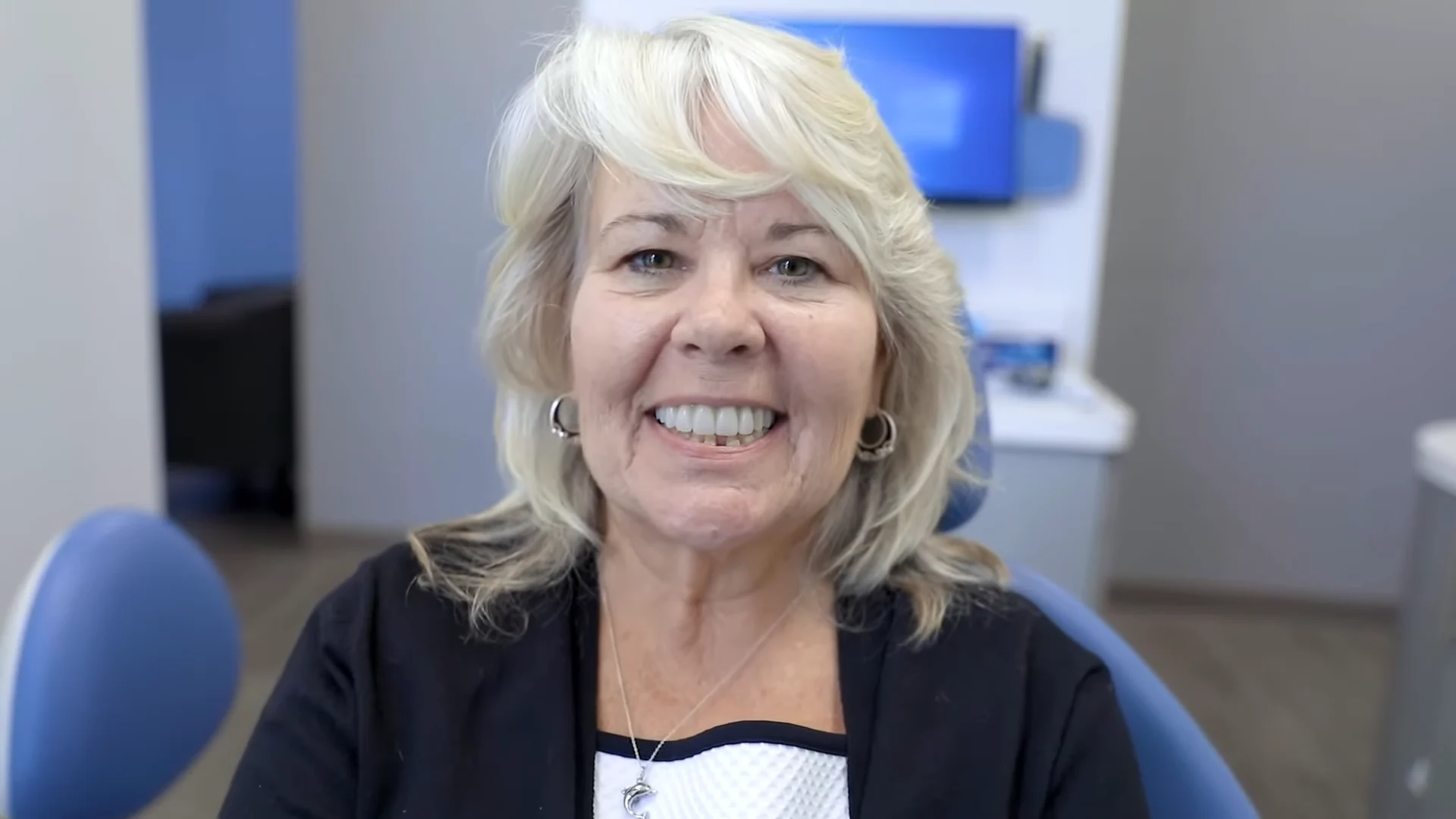
Actual Patient
Now I’m Able to Smile With a Full Set of Teeth and I’m So Happy
Your Success Story Starts Here
Take This 60-Sec Quiz to See If Dental Implants are Right for You!
You may have come across the term PRP (platelet-rich plasma) while researching this kind of treatment. PRF and PRP are related concepts that are derived from a small sample of your own blood but they’re prepared differently, and those differences matter clinically.
PRP (platelet-rich plasma):
Blood is collected with an anticoagulant added
Processed through centrifugation to concentrate platelets in liquid plasma
Releases growth factors quickly, over a shorter window
Requires additional steps (like bovine thrombin) to activate clotting in some formulations
PRF (platelet-rich fibrin):
Blood is collected with no additives and centrifuged immediately
Forms a natural fibrin matrix essentially a solid, workable membrane as it clots
Slowly and steadily releases platelets, white blood cells, growth factors, and a small number of stem cells over several days
Requires nothing added to your blood beyond the centrifugation process itself
At Greater Washington OMFS, we use PRF specifically. Its gradual, sustained release lines up well with how oral tissue and bone actually heal after surgery rather than delivering everything at once, it continues supporting the site over the days that matter most for recovery.
Put simply: it’s a custom-made metal framework that rests on top of the jawbone, tucked under the gum tissue, instead of being drilled into the bone itself. A few small posts poke through the gums, and later a denture or bridge gets fitted onto those posts.
Here’s why that matters: most people looking into subperiosteal implants have already been turned down by a standard treatment plan. A regular implant needs a decent amount of solid bone to grip onto. Once bone has broken down from years of denture wear, disease, or an old
Request an appointment and start your smile journey today.
This isn’t a fit for everyone, and it’s not meant to replace standard implants when those still work. It tends to get recommended for:
Long-term denture wearers whose jawbone has thinned out over the years
Patients told they'd need extensive, multi-stage bone grafting
People whose earlier grafting attempts failed or just didn't take
Older patients who'd rather skip a lengthy grafting-and-healing stretch
Lower jaw cases in particular: mandibular subperiosteal implants are one of the more common uses, since the lower ridge tends to wear down faster than the upper jaw
If bone loss is the reason your dentist crossed implants off the list, this is probably the next conversation worth having.
When you’re injured, including from a planned surgical procedure, your body’s first response is to form a blood clot, which acts as a temporary scaffold while healing begins. PRF essentially recreates and concentrates that natural process before it happens on its own, delivering:
Growth factors (including PDGF, TGF-β, and VEGF) that signal your body to build new blood vessels and regenerate tissue
Fibrin which forms a structural framework that supports new tissue growth
White blood cells
: that help protect the healing site from infection
A small number of stem cells,
which contribute to tissue regeneration and repair
Because PRF is 100% autologous meaning it comes entirely from your own body there’s no risk of an immune reaction, no risk of disease transmission, and nothing synthetic involved. It’s simply a concentrated, strategically placed version of what your body would eventually produce anyway.
Unilateral vs. Bilateral Cleft
Unilateral Cleft Lip and Palate
Only one side is affected here. It’s the more common version, and while it still needs the same team of specialists involved, the surgical repair itself tends to be a bit more straight forward just one side of tissue to bring together.
Bilateral Cleft Lip and Palate
Both sides are involved, which means more tissue to work with and more planning ahead of time. Often this includes something like nasoalveolar molding before surgery, to bring the separated segments closer together first and set up a more predictable outcome down the line.
Whatever your case looks like, your surgeon will always steer you toward the least invasive option that’s likely to actually work, and will walk you through the risks and realistic outcomes before anything moves forward.
Success Rate
This is one of the most searched questions about this procedure, and it deserves a real answer instead of a sales pitch. Success rates have climbed substantially since the shift to digital scanning and custom titanium frameworks, compared to the older cast-mold techniques from decades back. That said, outcomes still hinge heavily on the surgeon’s actual track record with this specific technique, how sharp the pre-surgical scan is, and how closely a patient sticks to post-op care. Results aren’t identical from one clinic to the next; ask any provider directly about their case numbers and follow-up data before you commit.
For Children
Emergency Dentistry for Children
Children experience dental emergencies too a knocked-out tooth from a fall, a facial injury during sports, or sudden, severe pain from an infected tooth. Our surgical team treats pediatric oral surgery emergencies with the same urgency and care as adult cases, and we take extra steps to keep younger patients calm during an already stressful moment. If your child has experienced facial or dental trauma, don’t wait to call our office right away.
Ready to Find Out If You're a Candidate?
Being told your jawbone is too far gone for implants isn’t necessarily the end of the road. Book a consultation, bring any prior X-rays or scans you have on hand, and get a straight answer on whether subperiosteal dental implants make sense for your particular case.
Modern Version
Why the Modern Version Is a Different Animal
There’s a fair amount of outdated info about this floating around online, so it’s worth being upfront. Early subperiosteal implants, going back decades, followed a handful of fixed designs, some cast from a mold taken mid-surgery. That approach came with real headaches: guesswork, inconsistent fit, and a failure rate that reflected it.
The custom versions built today work differently, and it’s not a minor upgrade:
A CBCT (3D cone-beam) scan maps your exact jaw structure before anything gets manufactured
The framework gets designed digitally and produced in titanium, sometimes with a mesh or lattice pattern to help tissue bond with it
Because the piece is milled or printed to match your jaw precisely, there's no guessing about fit once you're in surgery
So if you’re curious what these implants are made of, titanium, mostly, chosen because it’s biocompatible and the body rarely rejects it. But the bigger shift isn’t the material. It’s how that piece of titanium gets designed in the first place.
There’s no single price tag here, and honestly, any page that quotes you one flat number isn’t giving you the full picture. Cost hinges on:
Whether one arch or both need treatment
How complicated your jaw anatomy looks on the CBCT scan
The clinic's location and the surgeon's track record building custom frameworks
What type of prosthesis gets attached: fixed bridge versus removable overdenture afterward
Because each framework gets manufactured for that one patient, pricing is quoted after imaging and consultation, not before. If a clinic tries to hand you a number sight-unseen, treat that as a red flag, not a bargain.
Recovery tends to be more comfortable than people brace for, though it still calls for real attention:
Some swelling and tenderness in the first several days is normalt
Soft foods are the move while the gum tissue settles around the frame
Cleaning around the posts needs to become part of your daily routine; the spot where they exit the gum can trap plaque if it's neglected, so your dentist will show you specific tools for cleaning around the abutments
Regular follow-ups let your dentist check the seal between tissue and framework, since that seal is what keeps bacteria out
No implant procedure is risk-free, and this one carries its own particular considerations:
Infection or gum inflammation around the posts if cleaning slips
Framework exposure if the gum doesn't heal tightly enough around the metal
Loosening or shifting over time; this is why long-term follow-up matters more here than it does with bone-integrated implants
In rarer cases, surgical revision if the initial fit or healing didn't pan out as planned
Because each framework A good surgeon walks you through all of this candidly instead of glossing over it, and can explain how their particular technique cuts down on each risk.
Greater Washington Oral & Maxillofacial Surgery offers PRF treatment for patients throughout the region, with offices in:
Fredericksburg, VA — 10009 Southpoint Pkwy, Ste 201A
Fairfax, VA — 4210 Fairfax Corner Ave W, Suite 215
Manassas, VA — 8707 Digges Rd
Stafford, VA — 905 Wonder Rd, Unit 110
What to Expect During Recovery With PRF
Recovery still follows the general timeline of whatever primary procedure you’ve had, but many patients notice differences PRF is designed to support:
First 24–48 hours:
Some swelling and mild discomfort are still normal, but many patients report this feels more manageable than prior experiences without PRF.
Days 3–7:
This is typically when PRF’s sustained release of growth factors is doing the most work, supporting tissue formation and reducing complication risk.
One to two weeks:
Most patients are back to normal activity, with the surgical site continuing to heal well beneath the surface.
Ongoing bone or graft integration:
For bone grafting or implant-related PRF use, deeper healing and integration continues over the following months, following your surgeon’s specific plan.
We’ll give you detailed aftercare instructions specific to your procedure, regardless of whether PRF was used, so you know exactly what’s expected of you during recovery.
Process
How the Process Plays Out, Step by Step
Here’s roughly what the journey looks like from where you’re sitting:
1
Consultation and imaging.
A CBCT scan maps the exact shape and remaining volume of your jawbone. This is also when your dentist tells you plainly whether subperiosteal is the right call, or whether another route makes more sense for your case.
2
Digital design and fabrication.
Using the scan data, a lab designs a custom titanium framework to sit precisely along your jaw’s contour. You’re not in the chair for this part it happens off-site, based on your scan.
3
Surgical placement.
Under local anesthesia or sedation, the gum tissue gets lifted, the custom frame is set directly on the bone surface, and the small posts are left poking through the gum. The tissue is then closed back around the frame.
4
Healing.
The gum heals around and over the framework, which is what holds it in place. This window tends to run shorter than what bone-integrated implants need, since there’s no waiting around for bone to fuse to metal.
5
Attaching the prosthesis.
Once healing checks out, your denture or bridge gets fitted onto the exposed posts. Patients often describe this as the moment they’d been waiting years for.
The entire process adds only a few minutes to your appointment and doesn’t require a separate visit or additional recovery time beyond your primary procedure.
Be our Next Success Story!
Experience personalized dental care designed to help you achieve your dream smile.
Faster healing PRF supports your body's natural repair process with a steady supply of growth factors exactly at the surgical site.
Lower risk of dry socket Placed in an extraction site, PRF helps protect the area and stabilize the blood clot, reducing the chances of this painful complication after wisdom teeth removal.
Better soft tissue healing.. PRF membranes can also support healing of gum tissue in certain procedures, encouraging cleaner, faster closure.
No extra appointments. PRF is prepared and used during your existing procedure — there's no separate visit, recovery period, or downtime added.
Reduced pain and discomfort
Many patients report a smoother, more comfortable recovery when PRF is used alongside extraction or surgical sites.
Stronger support for bone grafting Combined with graft material, PRF can improve integration and healing, which matters most when you're preparing a site for a future dental implant.
All-natural, from your own body. Since PRF comes entirely from your own blood, it carries none of the risks tied to synthetic materials or donor tissue.
When PRF Treatment Is Recommended
PRF is most commonly used alongside procedures such as:
Wisdom teeth removal , particularly for impacted or surgically complex extractions where healing support matters most
Dental implant placement supporting healing around the implant site during osseointegration
Extraction sites at higher risk for complications including patients who smoke, have diabetes, or have a history of slow healing
Bone grafting
especially ahead of dental implant placement, where a strong, well-integrated graft site is essential
Sinus lift procedures . where PRF can support graft material placed near the sinus floor
Other oral surgery procedures where accelerated, more comfortable healing is a priority
Not every patient or procedure needs PRF. Your surgeon will evaluate your specific case including your health history and the complexity of your procedure to determine whether it’s likely to offer meaningful benefit for you.
Why Choose Greater Washington OMFS for PRF Treatment
In-house processing, start to finish. , Your blood sample is drawn and processed on-site using a dedicated centrifuge, so PRF is ready to use at the exact time of your procedure with no outside lab, no delay.
Experience across a range of procedures From straightforward extractions to complex bone grafting and implant cases, our team has integrated PRF into surgical planning for years.
Clear communication. We explain exactly what PRF is, why we're recommending it (or not), and what it means for your specific recovery- no confusing jargon, no pressure.
Surgical judgment, not a routine upsell
Our board-certified oral and maxillofacial surgeons recommend PRF where it offers real, case-specific benefit, and are equally comfortable telling you when it isn't necessary.
Four Northern Virginia locations. With offices in Fredericksburg, Fairfax, Manassas, and Stafford, PRF-supported healing is available close to home, wherever you're located in the region.
ft material placed near the sinus floor
Not every patient or procedure needs PRF. Your surgeon will evaluate your specific case including your health history and the complexity of your procedure to determine whether it’s likely to offer meaningful benefit for you.
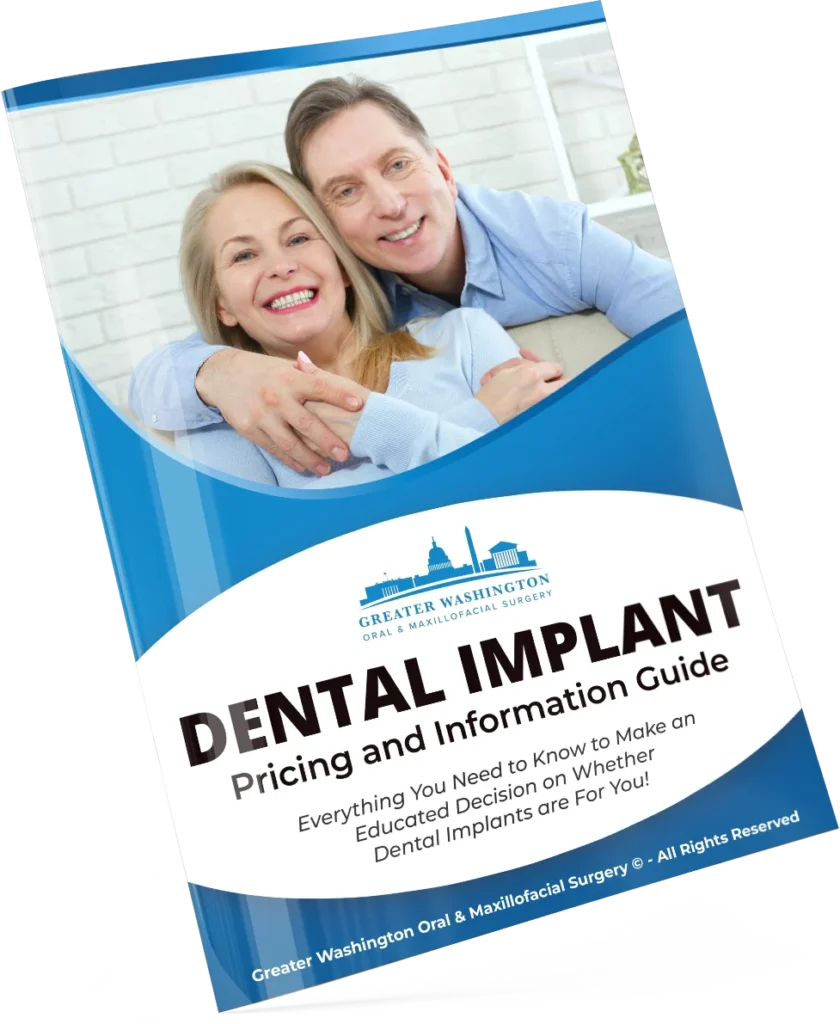
The Guide Will Show You
Dental Implant Options
Average Pricing
Factors That Affect Eligibility
And More!
FAQS
Questions Patients Ask Most
What are subperiosteal implants, in plain terms?
A custom metal frame that rests on top of the jawbone, under the gum, used when there isn’t enough bone left for a traditional implant
How is this different from a regular implant?
Regular (endosteal) implants get screwed inside the bone. These rest on the surface of the bone instead, which is exactly why they’re used for patients with heavy bone loss.
Is the surgery painful?
Most patients describe recovery as more manageable than they braced for, especially next to bone grafting, which involves a longer and rougher healing stretch.
Can I see examples before deciding?
Yes, most clinics offering this treatment can walk you through case photos and imaging examples during your consultation, including how a custom frame gets designed from your own CBCT scan. Worth asking to see before you commit to anything.
How long does the whole thing take?
Timelines vary case by case, but it’s generally shorter than the bone-graft-plus-implant route since there’s no graft integration period to sit through.
Will my dentures actually fit onto this?
Yes. The final prosthesis attaches to the posts coming through your gum, giving you a fixed or semi-fixed result that’s far sturdier than a removable denture.
How do I find someone qualified near me?
Look for a prosthodontist or oral surgeon with documented, hands-on experience in custom, CBCT-planned subperiosteal frameworks, not just general implant experience. This is a specialized technique, and the surgeon’s background with it counts for more than it would with a standard implant.
Still Have Questions?
Can't find what you're looking for? Don't worry, we've got your back! Give us a shout anytime - we'd love to chat and help you out personally.
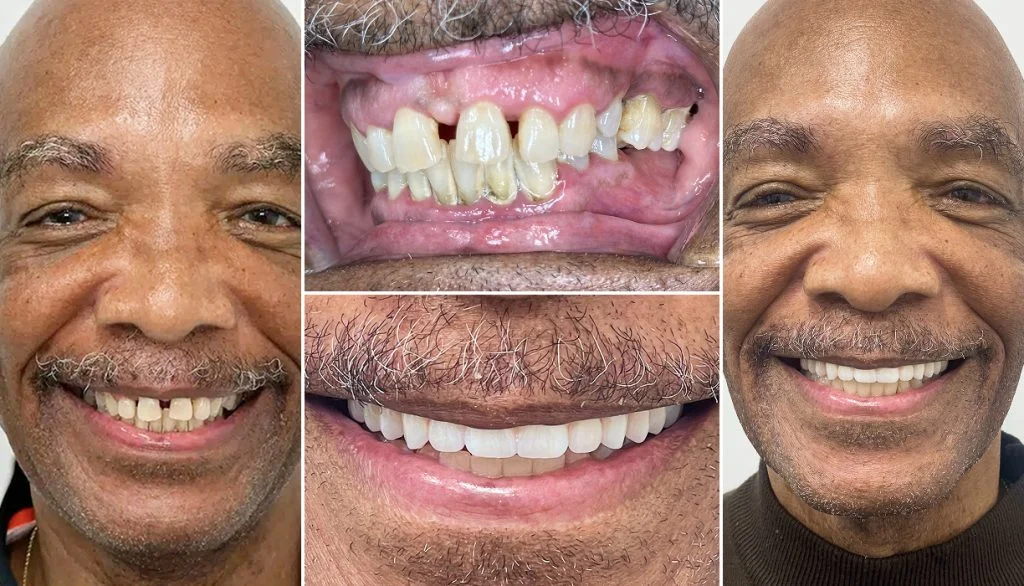
Every result here started as a consultation see how precision implant placement and thoughtful surgical planning turned into real, confident smiles for patients across our Northern Virginia offices.
Before
After
Before
After
Before
After
Your Success Story Starts Here
Take This 60-Sec Quiz to See If Dental Implants are Right for You!
Every piece of technology we use is chosen with one thing in mind: your comfort. These tools cut down treatment time, ease discomfort, and speed up healing , which is exactly why Northern Virginia patients keep trusting us with their care.
3D Cone Beam imaging that catches what other scans miss
Digital Trios scanning no more messy impression trays
Sofwave technology that supports faster, more natural healing
Money shouldn’t be the reason you put off care. Greater Washington Oral & Maxillofacial Surgery offers financing options built to fit different budgets, so you can start treatment now and pay it off comfortably over time.
A healthcare credit card with promotional financing, accepted at over 260,000 providers nationwide. No credit score impact until you choose a plan.
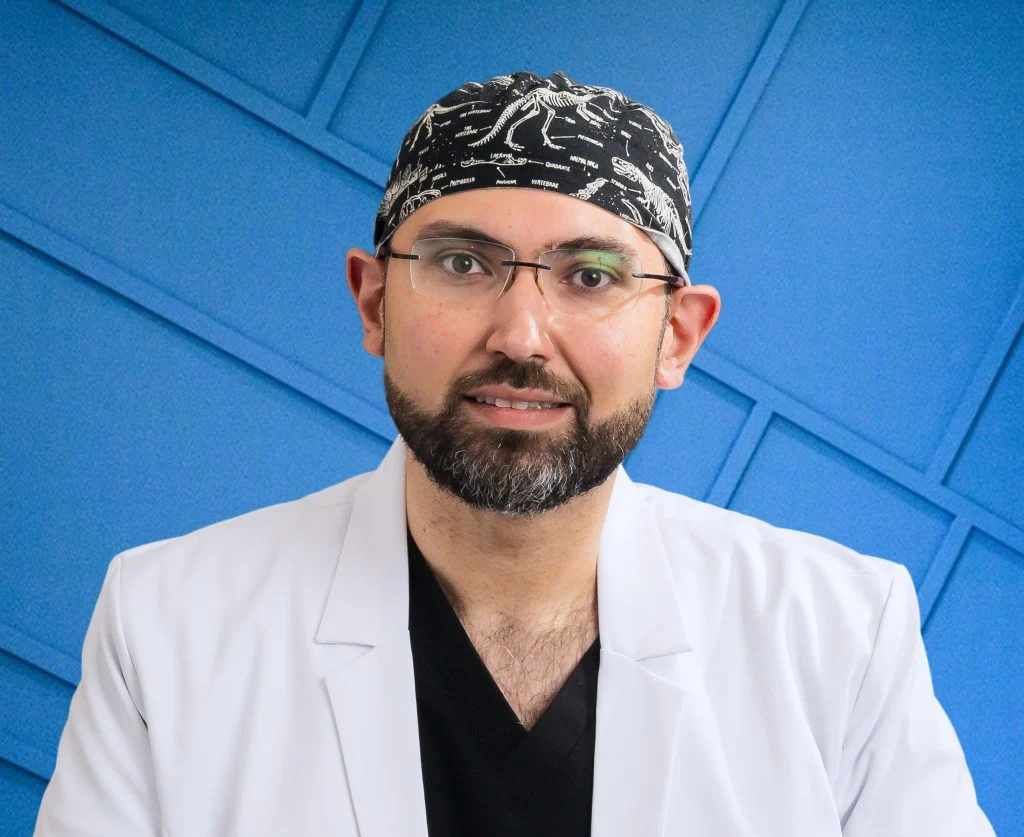
Get to know the team behind your care. Each of our specialists brings something different to the table, but they all share the same goal: treating you like a person, not a procedure, across every Northern Virginia office.
Lead Oral & Maxillofacial Surgeon. From complex facial reconstruction to precise implant placement, Dr. Haron has seen it all. As a trauma surgeon at Inova Fairfax Hospital, he handles even the toughest cases with confidence — while still keeping that warm, patient-first bedside manner Greater Washington OMFS is known for.
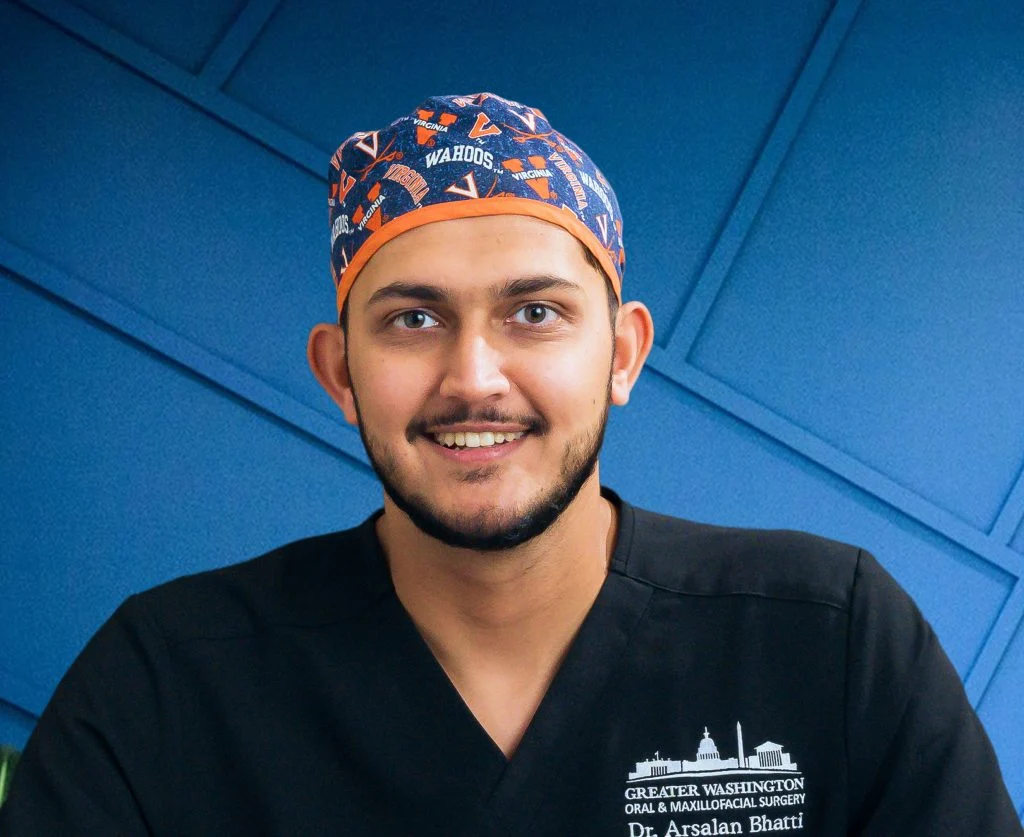
Oral & Maxillofacial Surgeon. Born and raised in Northern Virginia, Dr. Bhatti came home after training at some of the country’s top programs. He’s especially skilled in TMJ surgery and trauma care, and his down-to-earth approach makes even complicated procedures feel a lot less intimidating.
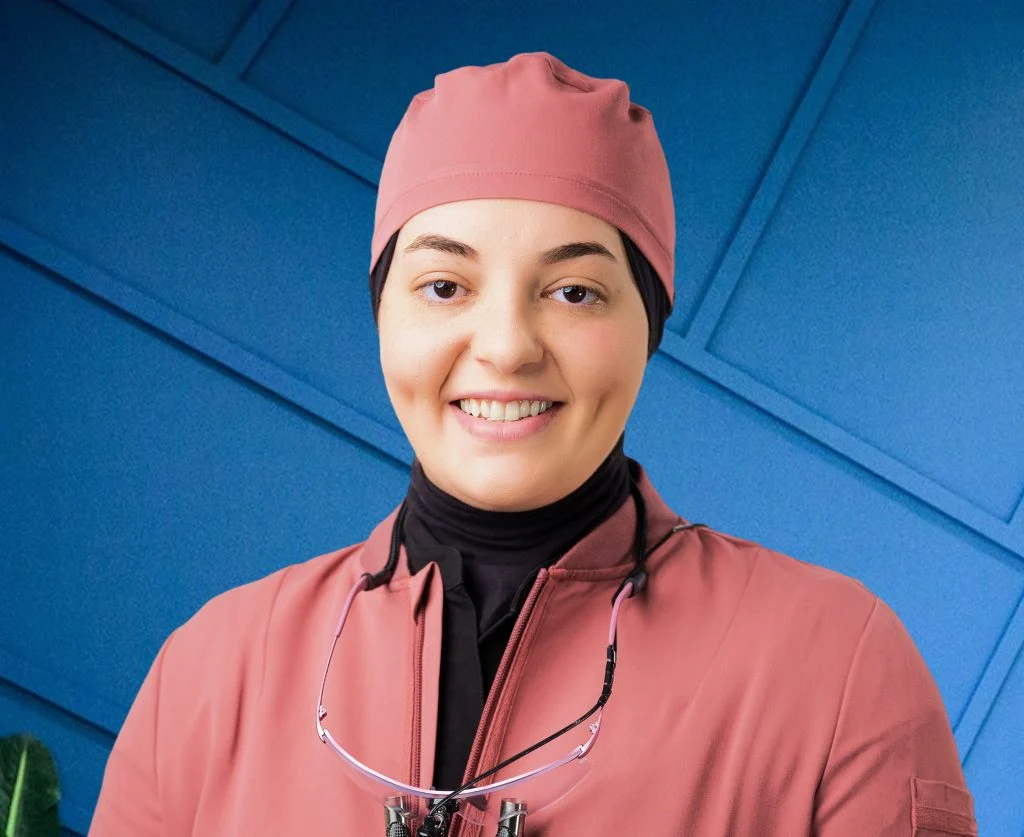
Board-Certified Periodontist. Dr. Sobhani has a gift for combining periodontal expertise with an artist’s eye. Trained at Columbia University, she helps patients get results that look great and function even better.
Oral & Maxillofacial Surgeon. A Virginia native and Howard University grad, Dr. Khan joins us with strong experience from his previous Maryland practice. You’ll find him at our Fairfax office on Mondays and Wednesdays, where his patients consistently praise his calm, attentive approach.
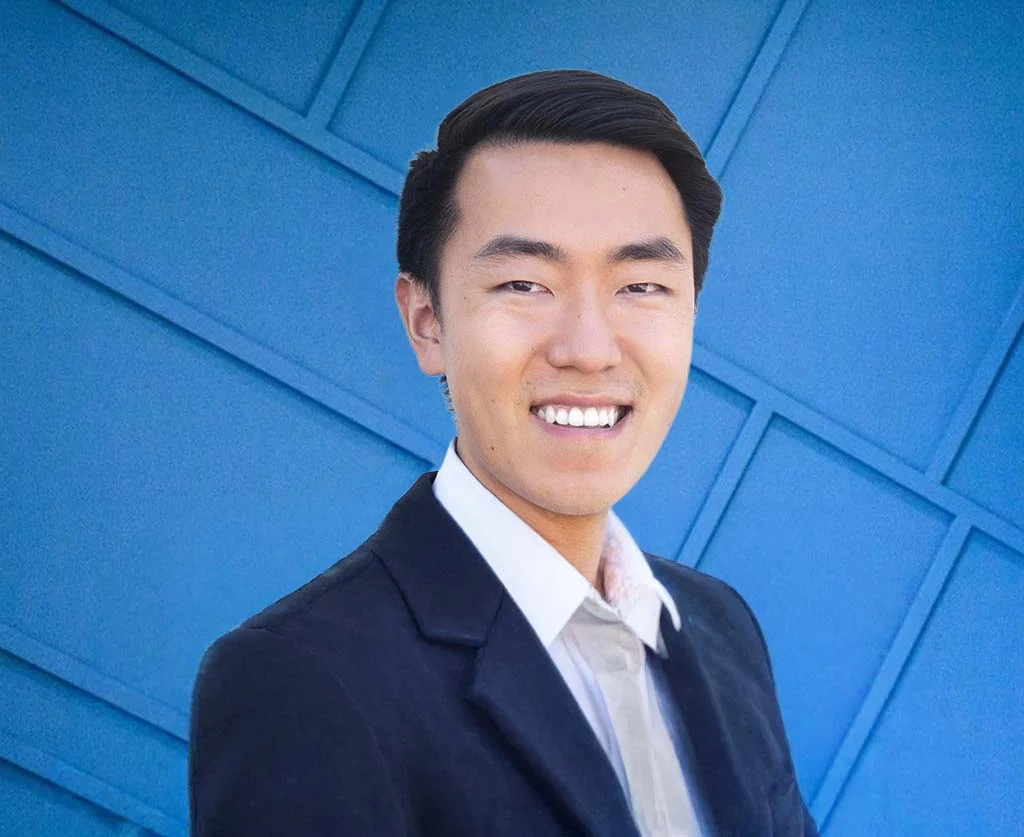
Oral & Maxillofacial Surgeon. From jaw surgery and dental implants to wisdom teeth removal and facial trauma, Dr. So brings a steady hand and a reassuring presence to every case he takes on.
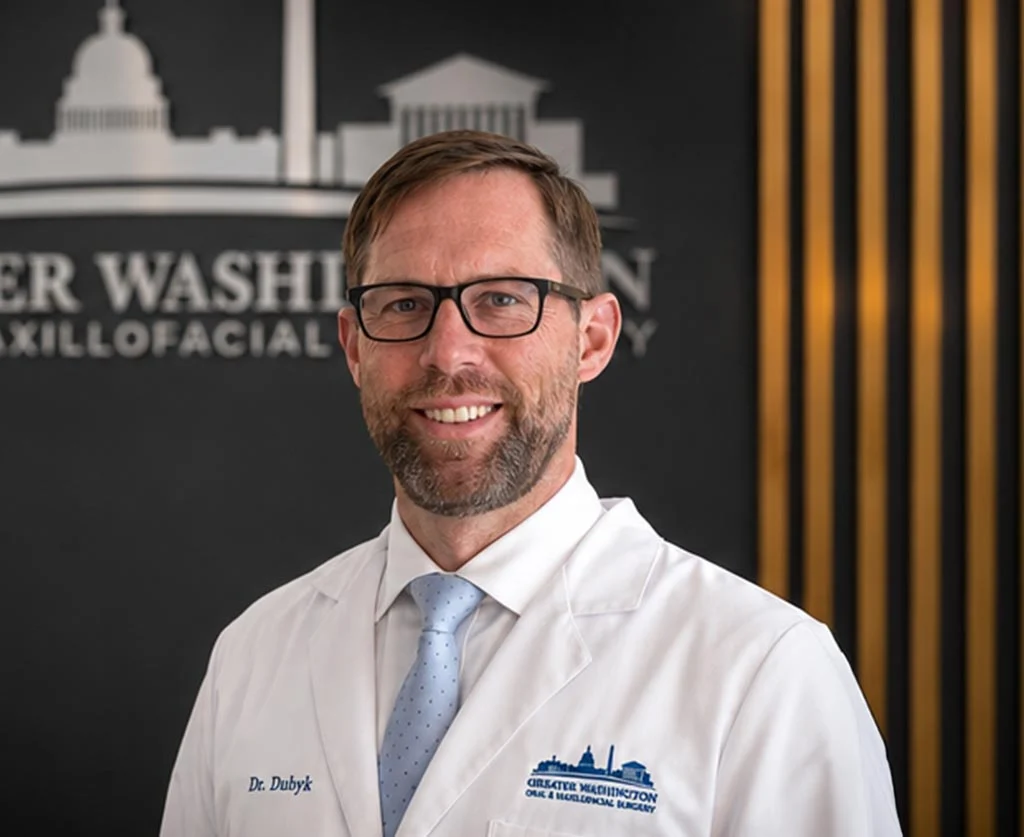
Dr. Nickoli “Nick” Dubyk, DMD, MS specializes in Orofacial Pain, TMD/TMJ disorders, facial pain, headaches, and Dental Sleep Medicine. With more than 20 years of clinical experience and a distinguished career in the U.S. Army, he provides comprehensive evaluation and conservative treatment for complex jaw pain, facial pain, and sleep-related breathing disorders. Dr. Dubyk is committed to delivering compassionate, patient-centered care that helps patients improve comfort, function, and overall quality of life.
With offices in Fredericksburg, Fairfax, Manassas, and Stafford, Greater Washington Oral & Maxillofacial Surgery brings exceptional oral surgical care directly to your community. You’ll find expert treatment close to home, making your visits convenient and stress-free.
Find Your Nearest Location and Request An Appointment Today
Discover how our innovative implant solutions have transformed lives through the heartfelt testimonials of our satisfied patients.
Hundreds of Families Trust Their Smiles to Our Care
Ask our patients, and they’ll tell you the same thing this is care that actually changes how you feel day to day. Their reviews say it best.
Zahra 12
1 year ago
I had such a great experience at the dentist office thanks to Stephanie at the front desk. She was incredibly helpful and kind from the moment my mom and I arrived. With looking up my insurance, scheduling an appointment with a reasonable time frame, to applying for care credit, and transferring x-rays to a disc. Stephanie went above and beyond to making sure everything was taken care of, she explained all the options clearly, was quick to respond to any questions, and genuinely made us feel supported throughout the visit. Her attentiveness and professionalism made a big difference for us!
Dr. Subhani was also amazing, so kind, thorough and patient. She took the time to carefully go over the treatment plan for my mom, making sure we fully understood everything and felt comfortable moving forward. It’s clear that everyone here truly cares about their patients. Highly recommend!!
Holly Minter
1 year ago
Highly impressed! It is so hard to find any medical office that has it all “together”. From receptionists, nurses, assistants and the doctor – a very lovely place! My 10 year old is not the easiest when it comes to being “poked or prodded” and everyone was GREAT with his surgery today! Professional, welcoming, friendly, and an immaculately clean office. Thank you all!!
Darleen E
1 year ago
Dr. Bhatti extracted all four wisdom teeth he was super kind and made me feel at ease. Stephanie and the staff were really sweet and welcoming. Great experience overall 🙂
Arooj Mian
1 year ago
I recently had my wisdom teeth removed by Dr. Arsalan Bhatti, and I couldn’t be more grateful for how smoothly everything went. Dr. Bhatti was incredibly professional, knowledgeable, and compassionate.
He took the time to explain the entire procedure in detail, answered all my questions patiently, and made sure I felt at ease every step of the way. On the day of surgery, everything was done with such precision and care. Recovery was much easier than I expected, with minimal swelling and discomfort.
Dr. Bhatti and his team were attentive, kind, and made the whole experience far less intimidating than I had imagined. I highly recommend him to anyone needing oral surgery—you’ll be in excellent hands.
Thank you again, Dr. Bhatti, for your outstanding care!
Carl Bhagwandin
1 year ago
I had my wisdom tooth removed by Dr. Bhatti and everything went very well. The doctor was very calm and made e feel at ease! No after pain! I am pleased with the service at this office. Everyone was professional . They even gave my daughter a jump start for her car! Amazing staff and very friendly! Thank you everyone!
Muhammad Ahmad
1 year ago
Got my wisdom teeth removed and had an amazing experience with Dr. Bhatti and the whole team. Everyone was super friendly, attentive, and made the whole process way less stressful than I expected. Dr. Bhatti was clear, calm, and professional, and the procedure went really smoothly. I felt well taken care of the entire time. Couldn’t have asked for a better experience!
Cole Lav
1 year ago
I had my wisdom teeth removed by Dr. Bhatti! Everyone there was super kind and just great to have a chat with. They made sure i was comfortable during the procedure and made sure I knew everything there was to know after. Highly recommend!
Erin Hill
1 year ago
The entire team, from the front desk to Dr. Bhatti, was so amazing. This practice prioritized my son’s entire wellbeing (mind and body) throughout the planning and execution of his oral surgery. Near seamless experience and amazing follow up.
Hind Ali
1 year ago
I had a surgical tooth reconstruction for my wisdom teeth with Dr. Haron yesterday, and I couldn’t be more pleased with the experience. The procedure was smooth, quick, and professionally handled. Everything went perfectly. Dr. Haron was calm, confident, and made sure I was comfortable throughout the entire process. I highly recommend him for anyone in need of oral surgery—you’re truly in safe hands!
Hind Ali
A Zamani
1 year ago
I recently had my tooth extracted at Greater Washington OMFS and my experience was amazing! The staff was friendly and reassuring, and Dr. Bhatti explained everything clearly and helped me feel comfortable from start to finish. The procedure was quick, and recovery went well thanks to their helpful post op instructions. The surgical assistant Helena even called me the next day to insure that all was well. I Highly recommend!
Taha Keilani
1 year ago
This is the best dental clinic/office I have visited. The staff are amazingly friendly, helpful and knowledgeable. The Doctor is the best. I can’t believe how easy the procedure was. All post surgery instructions were very clear and simple. Thanks to Greater Washington Oral & Maxillofacial Surgery Center.
Kev
1 year ago
My experience at this facility was top notch h from start to finish. The staff was attentive and accommodating. I’m a nervous dental patient since birth and anxiety is a thing for me. This team was reassuring and every step went just as they said it would. I was terrified of having 2 extractions but it went really smoothly and I truly didn’t experience any difficulty. Thanks to all for a job well done!
Erin Valliere
2 years ago
The whole team was absolutely fantastic from start to finish. Everyone was so kind and so professional, definitely help alleviate concerns and made for a positive experience. No one enjoys getting wisdom teeth removed, but they made the experience better. Appreciate very much their compassion for their patients, no rush out the door, didn’t feel like a number. Highly recommend them for any oral surgery needs
Katherine Da Silva
1 year ago
The experience was exceptional! From the moment I walked in,
DR. ARSALAN BHATTI was warm, professional, and incredibly helpful. They made sure my daughter felt comfortable and informed throughout the entire process.
I truly appreciate the outstanding service and will definitely recommend this office to others!
Sara Martinez
1 year ago
Dr. Bhatti extracted my lower wisdom molars that were impacted and he was very professional and made me feel safe during my treatment! The staff are very friendly and guide you every step of the way. Extefani is very lovely and kind! Truly recommend them!
Abood
1 year ago
I had my wisdom teeth extracted by Dr. Bhatti and I couldn’t be more impressed with the entire experience. From the moment I walked in, the front desk staff were welcoming, professional, and made everything feel smooth and stress-free. Dr. Bhatti himself was exceptional; the surgery was incredibly quick and efficient, and I was amazed at how comfortable and painless he made the process. The recovery has been smooth with minimal discomfort, all thanks to his skillful work. I highly recommend Dr. Bhatti and his entire team, truly a top-notch experience from start to finish.
Tarek Orfaly
12 months ago
I had an exceptional experience at greater Washington From the moment I walked in, the staff made me feel calm and well cared for. They clearly value their patients’ time.
Dr. Haro took the time to explain every step of my procedure in clear, reassuring detail. Their professionalism and confidence instantly put me at ease, and the procedure itself went perfectly. I was impressed by the level of precision, skill, and compassion shown throughout my visit. And I had a similar experience a year ago for my daughter’s procedure as well.
It’s rare to find a team that combines technical excellence with genuine kindness, but this office does exactly that. I highly recommend greater Washington and Dr. Haron to anyone in need of oral surgery or dental care.
Medyaf Alrousan
1 year ago
I had an outstanding experience with Dr. Ibrahim Haron at Greater Washington Oral & Maxillofacial Surgery. From the moment I walked in, the entire staff made me feel comfortable and well-cared for. Dr. Haron is not only highly skilled and knowledgeable, but also incredibly patient and compassionate. He took the time to clearly explain the procedure, answer all my questions, and ensure I felt at ease every step of the way.
The procedure itself was smooth and virtually painless. Dr. Haron’s precision and expertise were evident throughout, and his post-operative care instructions were thorough and easy to follow. I appreciated how responsive the team was to follow-up concerns and how genuinely invested they were in my recovery.
If you’re looking for an oral surgeon who combines top-tier clinical excellence with a warm and caring approach, I highly recommend Dr. Haron. He truly sets the standard for what great patient care should be.
Diana Holloway
1 year ago
This particular office in Fairfax in Fairfax Corner goes above and beyond everybody there doctors and nurses the assistance everybody in this office is phenomenal I love each and every one of them from anytime that I’m crying because I’m going through a bad day they sit and listen they make me feel a lot better they make me feel beautiful they helped me become beautiful I was so insecure about my teeth and about my smile I would always hide it now I smile more than I’ve ever smiled in my life I came here looking for a better smile and I came out with so much more than that, I came out of here with confidence, I came out here with not just a team but family and most importantly I came out of here loving myself again , I truly myself again and I couldn’t thank them enough they work hard and understand needs even though things seem impossible they find a way to make it possible. I know I was not very easy client of theirs I know I was a big challenge but they never gave up they worked hard day and night to make sure that I got exactly what I wanted out of this office. It was my fantasy that they made come true they’re my superheroes this office I will recommend to everybody that I know thank you greater Washington for making my life so much better thank you greater Washington for making me a better me
Aryan
1 year ago
I had an excellent experience at this oral surgery office. Dr. Bhatti was incredibly professional, caring, and took the time to clearly explain my procedure so I felt comfortable and informed. Ashley was very supportive throughout the process, making sure I was at ease and answering all of my questions with patience and care. Pedro at the front desk was also fantastic friendly, organized, and efficient in helping me with scheduling and paperwork.
Brandy Winker
1 year ago
I can’t say enough good things about this place. I originally made an appointment for both myself and my child. For me, I’ve had ongoing jaw pain and was thinking I might need my wisdom teeth removed. The dentist did a full evaluation and told me that my wisdom teeth are perfectly healthy, coming in straight, and don’t need to be removed. He explained that my pain is likely from strong jaw muscles and suggested a mouth guard instead. That honesty meant so much to me because I’ve had several dentists in the past try to push wisdom teeth removal “just because.” It was refreshing to finally meet a dentist who put my health first instead of recommending an unnecessary procedure.
As for my child, he had a tongue-tie procedure done today, and the entire staff was absolutely wonderful. They were so patient, kind, and genuinely caring. One woman in particular showed such warmth and compassion that it almost felt like she was his own mom. The surgery itself was quick and smooth, and he bounced back immediately. He was up and playing as soon as we got home.
The honesty, professionalism, and compassion we experienced here were above and beyond. I was so impressed that I went ahead and scheduled another family member for an appointment. Highly recommend!
Humaira Riaz
1 year ago
I was in here for wisdom teeth removal and was extremely satisfied with the entire experience. Dr. Haron and his team were wonderful! The level of skill and dedication Dr. Haron has is very evident as well as a high degree of compassion towards his clients. This was probably the most comfortable dental experience I have had over my years. Strongly recommend this place. Thank you Dr. Haron!!
Hazem Saqqal
1 year ago
I have the utmost confidence in Dr. Haron and his incredible team of associates. Dr. Haron’s office has consistently exceeded expectations across the board.
Dr. Haron brings a calm, reassuring presence that makes patients feel genuinely cared for. His associates reflect that same high standard they’re sharp, meticulous, and deeply committed to doing what’s best for the patient.
I highly recommend this practice .
Krystyn Connaughton
1 year ago
I’m currently 8 hours post OP for all 4 wisdom teeth and have 0 pain. The whole team that worked on/with me was so amazing and comforting. Could not recommend them more
Sheree Rymenams
1 year ago
Went for a post op. Very caring staff. Wonderful vibe for those nnervous about dental procedures.
Jason Fender
1 year ago
I had my wisdom tooth extracted recently and want to give a big thank-you to Taylor, Jennifer, and the entire surgery team. They were professional, supportive, and made the whole experience as smooth as possible. Taylor and Jennifer took extra care to explain things and keep me comfortable, and the surgery team worked efficiently while also being reassuring throughout.
I really appreciate the kindness, patience, and skill they all showed — it made a tough procedure much easier. Thank you again for the excellent care.
Sydney Burnley
1 year ago
Such an awesome visit with Dr. Sobhani! The new location is absolutely beautiful. I’ve been a patient for 3+ years and it’s so exciting to see such a wonderful practice growing!
djchristrent
1 year ago
I was a patient at the new Wonder Rd. office and it was their opening day. Everyone was professional and caring and my procedure went good. Thank you for helping me !
Jered Brannon
1 year ago
They squeezed me in same day for an emergency extraction. From the time I walked in to the time I left I was treated like family, and money was not even mentioned until I got home and had time to rest. This is the friendliest and most helpful oral surgeon I have been to.
judee logan
1 year ago
The staff are super nice and helpful. The doctor was great and made sure I was comfortable at all time.
Vincent Iorio
1 year ago
This is the best Dentist service I have every experienced. The staff are the best especially Jennifer & Gloria! You guys rock, kudos to you and the Dr. Haroon!
Ralph Jackson
1 year ago
FELLAS THIS IS THE PLACE TO BE FOR SERVICE. THE ENTIRE STAFF IS PERFECTLY HAND PICKED TO MAKE SURE YOUR APPOINTMENT GOES WELL. BTW YOU MIGHT NOT WANT TO GO BACK TO YOUR ORIGINAL DOCTOR. YES I SAID IT. COME SEE FOR YOUR SELF.
al’anas 2099
1 year ago
I cannot recommend Dr. Haron highly enough! From the moment I walked into the office, I was greeted with warmth and professionalism. Dr. Haron’s expertise and compassionate approach made me feel at ease during my visit. He took the time to listen to my concerns and explained everything in detail, ensuring I understood my treatment options. The staff is equally amazing—friendly and attentive. If you’re looking for a knowledgeable and caring doctor, look no further than Dr. Haron!
Emma Melerski
1 year ago
Wonderful from start to finish. Very thorough, informative, and kind.
Paul Osei
1 year ago
I received excellent service at the location with this professional team 👏
Estepjd
12 months ago
Very pleasant experience.
Shane Patterson
12 months ago
Front desk was helpful and the doctors and assistants were patient and informative
Veronica Vargas
1 year ago
I had an incredible experience at this place! From the moment I walked in, I was impressed by how impeccably clean everything was. It truly reflects their commitment to maintaining a pristine environment. The customer service was top-notch!!!! every staff member was friendly, attentive, and eager to help. I felt valued and welcomed throughout my visit. THANK YOU SO MUCH!
Sana Ramdev
1 year ago
I just experienced my first surgery ever today here and was super anxious about the whole situation, especially the anesthesia part. I really appreciated Dr. Bhatti and all the nurses involved for being very patient and understanding and giving me a second. The anesthesia was not painful or scary like I initially thought it would be and I had an easy time waking up and it didn’t feel like the videos you normally see where patients are completely out of it. It was a seamless process and I’ve already stopped bleeding and working towards recovery.
Kimberly Thomas
1 year ago
My daughter recently had all four wisdom teeth removed here at the Manassas location, and the entire experience was outstanding from start to finish. The front desk staff were so helpful in working with me to schedule the appointment, and every person we interacted with in the office was kind, welcoming, and patient. The staff assisting the doctor were incredibly comforting—explaining each step clearly, answering all of our questions, and even helping my daughter to the car afterward. The doctor was professional, thorough, and made us feel completely at ease throughout the process. The practice is impressively efficient, but never at the expense of patient care or compassion. We are so grateful for the excellent care we received and highly recommend this office.
Got questions about implants, bone grafting, or full mouth restoration? Our blog has real answers, written by the surgeons who actually perform these procedures.
Lorem ipsum dolor sit amet, If you’re weighing subperiosteal against endosteal implants, you’re probably just trying to work out which category you fall into. There’s a third option worth mentioning too — the zygomatic implant, which gets mixed up with subperiosteal treatment sometimes, even though the two tackle bone loss in completely different ways. Here’s the straightforward breakdown, with zygomatic thrown in for context:
factor
Placement
Bone requirement
Bone grafting
Candidacy
Design
Endosteal Implants
Screwed directly into the jawbone
Needs adequate bone height/width
Often required first
Most patients with healthy bone
Standard sizes
Subperiosteal Implants
Sits on top of thebone, under the gum
Built for minimal or resorbed bone
Usually skipped
Patients with heavy bone loss
Custom-built to your jaw shape
Zygomatic Implants
Anchored into cheekbone, skips jaw
Needed when jaw bone loss is severe
Not needed, cheekbone anchors it
For extreme upper jaw bone loss
Longer, custom-angled for cheekbone
When people weigh endosteal against subperiosteal, it almost always boils down to one question: how much healthy bone is left to work with? If grafting doesn’t appeal to you, or your bone loss is too far along for a graft to realistically take, that’s usually the point where endosteal drops off the table and subperiosteal becomes the workable route.
For heavy upper jaw loss, a zygomatic implant deserves a mention too. Rather than anchoring into the jaw ridge, it goes into the cheekbone, which can work even in cases where subperiosteal isn’t the ideal fit. It’s a more invasive surgery, though, and it’s usually handled by a specialist oral surgeon rather than a general dentist, saved for the more advanced cases of upper jaw atrophy.
Either way, if your bone loss runs deep, it’s a conversation worth having with your provider before you settle on any one path.
Request an Appointment
Our dedicated team is here to provide you with personalized attention and exceptional care, tailored to meet your unique dental needs.
Call Us Now
We are proud to offer multiple dental offices ensuring comprehensive coverage for all your dental care needs.