

You might think waiting on wisdom tooth removal saves time and money, but hidden costs often show up later in pain, infections, and more complex surgery.
Getting those teeth checked and removed when recommended can prevent long-term problems that cost far more in discomfort and dental work than the original procedure.
If a wisdom tooth becomes impacted or traps bacteria, you can face repeated infections, shifting teeth, or damage to nearby roots and bone. Acting early keeps treatment simpler, recovery faster, and your smile more stable.
Key Takeaways
- Early action limits pain and reduces the chance of complex surgery.
- Delays raise the risk of infections and damage to other teeth.
- Timely evaluation often avoids longer recovery and higher costs.
Why Timely Wisdom Tooth Removal Matters
Approximately 65 percent of people have at least one impacted wisdom tooth. Timely removal can prevent pain, infections, and damage to nearby teeth. Acting early often makes the procedure simpler, lowers cost, and reduces recovery time.
Understanding Wisdom Teeth and Their Role
Wisdom teeth, also called third molars, usually appear between ages 17 and 25. They were useful long ago for chewing tough foods, but today your jaw often lacks space for them.
If a wisdom tooth grows in fully and straight, it can function like other molars. But many third molars come in at an angle, sit below the gum, or only partially emerge. Those situations raise the risk of infection and decay because you can’t clean them well.
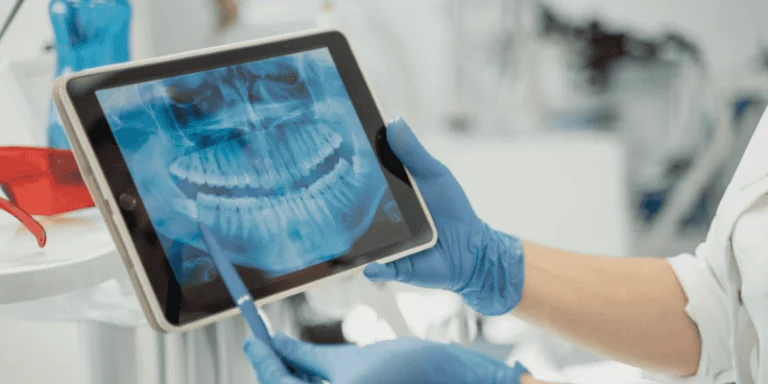
Dentists examine X-rays to see the tooth’s position, root shape, and relation to nerves. That check tells you whether removal now will be easier than waiting.
Common Problems with Third Molars
Impaction happens when a third molar cannot fully emerge. You may get pain, swelling, or a gum flap that traps food and bacteria; this leads to pericoronitis, a painful infection.
Impacted wisdom teeth can push on the second molars. That pressure may cause cavities, root resorption, or shifting of your bite. You might need fillings, root canals, or even loss of a healthy tooth if you delay.
Cysts and, rarely, tumors can form around impacted teeth. These can destroy bone and require more complex surgery later. Timely removal cuts the chance of these complications.
The Space Issue: Why Impaction Happens
Your jaw size and tooth crowding decide whether third molars fit. Evolution and diet have made many jaws smaller, so there’s often no room for four new molars.
When space is tight, a wisdom tooth may grow sideways, tilt toward the second molar, or stay trapped under bone and gum. That mechanical problem leads to impaction and the issues above.
Dentists use panoramic X-rays to measure available space and predict eruption patterns. If the X-ray shows limited room or angled roots, removing the tooth before roots fully form usually means an easier, faster extraction and quicker healing.
Meet with a Virginia oral surgeon to evaluate the risks of delaying wisdom tooth extraction.
Progressive Complications of Delaying Treatment
Delaying removal can let small problems become bigger. You may face infections, damage to nearby teeth, and loss of jawbone that make treatment harder and more costly.
Silent and Gradual Damage
You might not feel pain at first, but impacted wisdom teeth can quietly harm nearby structures. Bacteria and trapped food around a partially erupted tooth can cause slow infection and gum inflammation. This often shows as bad breath or slight swelling before intense pain appears.
Routine X-rays can reveal early signs you can’t see. Small cavities can form on the back of the second molar because the wisdom tooth blocks cleaning. If untreated, decay can reach the tooth nerve and require a root canal or crown.
Early intervention usually needs only a simple extraction. Waiting raises the chance you’ll need antibiotics, emergency care, or a more complex surgical removal.
Risks to Adjacent Teeth and Bone
An impacted wisdom tooth can press on the second molar and change its root or position. That pressure may create cavities in hidden areas, loosen the second molar, or cause shifting that affects your bite.
Chronic inflammation near the wisdom tooth can spread to the surrounding bone. This can mean periodontal pockets and bone loss around both the wisdom tooth and the adjacent molar. Once bone is lost, it rarely grows back without help.
If the bone damage is significant, your dentist may recommend bone grafting during or after extraction to rebuild the jaw and support the neighboring tooth.
Root Resorption and Bone Loss
Root resorption happens when the pressure from an impacted tooth causes the body to dissolve part of the root of the neighboring tooth. You may not notice this until routine imaging shows root shortening or damage.
Bone loss can follow chronic infection or cyst formation around an impacted wisdom tooth. Small cysts can expand and hollow out bone, sometimes requiring surgical removal of the cyst and affected tissue.
When root resorption or large bone defects occur, treatment may include extraction of the damaged tooth, bone grafting, or longer restorative work. Acting before these issues develop lowers the risk of losing a healthy second molar or needing complex surgery.
Do not wait for complications. Schedule a wisdom tooth evaluation today.
Oral Health Dangers: Infection, Inflammation, and Decay
Delaying wisdom tooth removal can let bacteria build up, cause painful gum infections, and make cleaning nearby teeth much harder. Left untreated, problems can spread to the gums, bone, and even other teeth.

Pericoronitis: Painful Gum Infection
Pericoronitis happens when a partially erupted wisdom tooth traps food and bacteria under the gum flap. Research shows that pericoronitis occurs in up to 81 percent of patients with partially erupted wisdom teeth, making delayed removal a significant infection risk.
You will often feel throbbing pain, swelling on one side of your jaw, bad taste from pus, and trouble opening your mouth wide. If breathing or swallowing becomes hard, get urgent care.
Treatment starts with cleaning the area, antibiotics for spreading infection, and pain control. Your dentist may remove the gum flap or extract the tooth if pericoronitis keeps returning. Repeated episodes damage the gum and nearby tooth roots, so quick action lowers the chance of chronic problems.
Increased Risk of Gum Disease
A partially erupted wisdom tooth creates tight spaces that are hard to clean. Plaque and bacteria collect there and cause gum inflammation. Over time that inflammation can progress to periodontal disease, which destroys the tissue and bone that support teeth.
You may notice bleeding when you brush, receding gums, pocketing around teeth, or loose molars. Your dentist can measure pocket depth and show you that standard flossing often can’t reach the area. Removing the tooth removes the difficult-to-clean niche and reduces the risk of long-term gum disease.
Tooth Decay and Hygiene Challenges
Wisdom teeth next to second molars create overlapping surfaces where toothbrushes can’t reach. Bacteria produce acid that demineralizes enamel, causing cavities on both the wisdom tooth and the adjacent molar. Early decay often hides under the gum line and goes unnoticed until it hurts.
You can try special brushes or water flossers, but these tools may not fully prevent decay in crowded areas. If the adjacent second molar becomes decayed, you might need fillings, root canal therapy, or even extraction. Removing a problematic wisdom tooth prevents those hidden cavities from forming.
Development of Cysts or Tumors
A follicular cyst can form around an unerupted wisdom tooth when fluid collects in the tooth sac. Small cysts may be painless, but larger ones can erode jawbone and damage nearby teeth. In rare cases, benign tumors can develop from cyst lining and require more complex surgery.
Your dentist can spot cysts on an X-ray long before you feel symptoms. If imaging shows a growing cyst, your care team may recommend extraction and removal of the cyst lining. Treating cysts early reduces the risk of extensive bone loss and more invasive jaw surgery.
Impact on Jaw, Teeth Alignment, and Orthodontic Work
Delaying removal of impacted or poorly positioned wisdom teeth can change how your teeth line up, make orthodontic plans harder, and cause ongoing jaw pain that affects daily life.
Tooth Crowding and Bite Changes
When wisdom teeth push forward, they can crowd the back molars and shift neighboring teeth. You may notice new gaps closing or front teeth becoming misaligned after years of stability. This pressure can worsen existing crowding, especially if your arch is already narrow.
Crowding makes brushing and flossing harder. That raises your risk for decay and gum disease around the shifted teeth. If you wear retainers now, new movement can undo their work and require new appliances or adjustments.
If you’ve had braces, these late shifts can harm long-term results. An oral surgeon or orthodontist can evaluate whether extraction will stop progression or if orthodontic retreatment is needed.
Complications for Orthodontic Treatment
Active wisdom teeth complicate orthodontic plans. If you start braces or clear aligners while third molars are erupting, your orthodontist may not achieve planned tooth movements. You could need longer treatment time or changes to the mechanics, like extractions of other teeth.
Delayed removal might force combined care: an oral surgeon removes the wisdom teeth mid-treatment and the orthodontist alters wire sequence or aligner stages. That raises costs and extends appointments. In some cases, severe crowding from third molars requires retreatment years after you thought alignment was finished.
Tell your orthodontist if you have pain, swelling, or pressure at the back of your mouth. Early coordination between your orthodontist and an oral surgeon can reduce surprises and extra procedures.
Jaw Pain and Stiffness

Impacted wisdom teeth can strain the jaw muscles and the temporomandibular joint (TMJ). You might feel stiffness when opening your mouth, pain while chewing, or aching in the temples and neck. These symptoms may come and go but often worsen with clenching or heavy chewing.
Chronic jaw strain changes the way you bite and can lead to uneven tooth wear. Treating the teeth alone won’t always fix muscle pain; you may need night guards, physical therapy, or referral to a TMJ specialist.
An oral surgeon can remove the problematic wisdom teeth, but you should expect a combined approach to relieve long-standing jaw pain.
Surgical Consequences and Long-Term Recovery Challenges
Delaying removal can make surgery harder, increase chances of nerve injury, and lengthen the time you need careful post-operative care. You may face deeper bone removal, longer anesthesia, and higher risk of complications that affect daily life.
Increasing Surgical Complexity Over Time
When you wait, a simple wisdom tooth extraction can become a surgical procedure that takes longer and removes more bone.
Impacted teeth can rotate, grow closer to the mandibular nerve, or sit deeper in the jaw. That often forces an oral surgeon to cut gum tissue, remove bone, or section the tooth into pieces to extract it safely.
Longer surgery usually means more local anesthesia or sedation and increased bleeding and swelling afterward. Your risk of infection rises because trapped food and bacteria build up around a partially erupted tooth.
Surgery that is more complex can also increase cost and recovery time compared with an earlier, simpler extraction.
Risks of Nerve Damage and Dry Socket
The mandibular nerve runs close to lower wisdom teeth. If a tooth sits near that nerve, surgical manipulation can cause numbness, tingling, or altered taste that may last weeks or become permanent. An experienced oral surgeon will assess nerve position on X-rays, but delay raises the chance the nerve will be involved.
Dry socket (alveolar osteitis) occurs when the blood clot in the socket is lost, exposing bone and causing sharp pain 2–5 days after extraction. Smoking, poor post-operative care, or difficult extractions raise this risk.
If you get dry socket, your surgeon will clean the socket and place medicated dressing; healing then takes longer and pain control becomes more intensive.
Extended Recovery and Post-Operative Care
Longer, more invasive extractions increase swelling, bruising, and pain for several days to weeks. You will likely need stronger pain medication at first, a longer soft-food diet, and extra follow-up visits with your oral surgeon to check healing. Stitches may be required and sometimes stay in place for a week or more.
Post-operative care matters more after complex surgery: you must avoid smoking, follow cleaning instructions, use cold packs, and limit physical activity. Failing to follow these steps can lead to infection, delayed bone healing, or repeat procedures.
Your recovery time and daily routine will be affected, so plan for extra rest and support.
Proactive Evaluation and Prevention
Early checks catch problems before they become painful or costly. A clear plan based on X-rays and exams guides decisions that protect your teeth, gums, and budget.
Importance of Early Wisdom Tooth Evaluation
You should get a wisdom tooth evaluation by ages 16–21, when roots are still forming and removal is easier. Your dentist will take panoramic X-rays to see tooth angle, root shape, and proximity to nerves. These images show if a tooth is impacted, pressing on the second molar, or sitting under bone.
During the visit, expect a short exam of your bite and gum health around the back teeth. Your provider will note signs of decay, gum pockets, or a gum flap (pericoronitis). If risks are present, they’ll explain timing, sedation choices, and likely costs so you can plan.
Benefits of Preventive Removal for Dental Health
Removing problematic wisdom teeth early lowers the chance of infections, cavities on adjacent teeth, and cysts that erode bone. Younger patients usually heal faster and need less complex surgery because roots are smaller and bone is softer.
Preventive removal can protect neighboring teeth from root resorption and hard-to-clean surfaces that invite decay. It also reduces the odds of later emergency surgery, which often happens when infections or severe pain arise.
Frequently Asked Questions
Delaying wisdom tooth removal can raise the chance of infections, damage to nearby teeth, and higher treatment costs. It can also make surgery more complex and lengthen recovery time.
What complications can arise from waiting too long to remove wisdom teeth?
You can get pericoronitis, an infection around a partially erupted tooth that causes swelling, pain, and trouble opening your mouth. Infections can spread to nearby tissues and sometimes need emergency care.
Impacted wisdom teeth can push on adjacent molars, causing root damage, cavities in hard-to-clean spots, and tooth shifting. Cysts may form around impacted teeth and destroy bone if left untreated.
How could delaying wisdom tooth extraction affect my oral health in the long term?
Untreated wisdom teeth can cause chronic gum disease near the back molars, leading to permanent bone loss. That bone loss weakens the support for nearby teeth and can create lifelong dental needs.
You may also face increased risk of decay on second molars and potential loss of those healthy teeth. Orthodontic relapse and bite changes are possible if teeth shift over time.
Are there any financial disadvantages to postponing wisdom tooth removal?
Yes. A simple extraction typically costs less than a complex surgical removal. If complications develop you may need emergency visits, antibiotics, restorations, root canals, or bone grafts; all of which increase total cost.
Insurance often covers preventive removals more than emergency or extensive restorative work. Waiting can raise out-of-pocket expenses and lead to more missed work and time off.
Can ignoring the removal of wisdom teeth lead to more severe dental procedures later on?
Yes. Impacted or infected wisdom teeth can require more extensive surgery, including bone repair or cyst removal. If adjacent teeth get damaged, you might need crowns, root canals, or even extractions and implants.
Emergency extractions during active infection may limit planning and sedation options, making the procedure harder on you and your mouth.
What are the signs that I shouldn’t wait any longer for wisdom tooth removal?
Seek treatment if you have swelling, persistent pain, bad taste or odor in the mouth, difficulty opening your jaw, or repeated infections in the back of your mouth. Sudden tooth movement or new sensitivity in adjacent teeth also signals a problem.
If X-rays show impaction, cysts, or damage to nearby roots, your dentist will likely recommend prompt removal. Don’t ignore recurring symptoms even if pain comes and goes.
How does not removing wisdom teeth on time impact my overall well-being?
Ongoing oral infections can affect eating, sleeping, and speaking, and can cause days of missed work or school. Chronic inflammation and infection also increase stress and reduce quality of life.
Severe infections can require antibiotics and emergency care, which adds pain and disrupts your daily routine. Addressing problematic wisdom teeth earlier usually leads to faster recovery and less disruption.