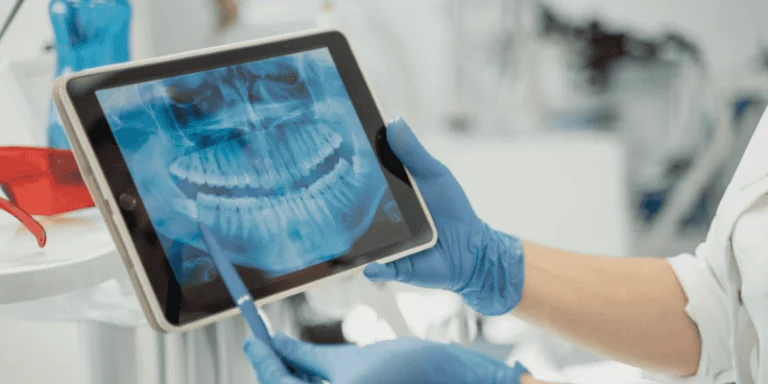

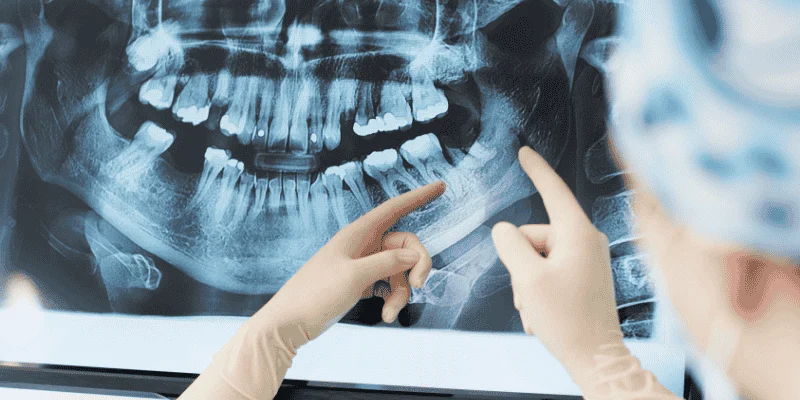
When a tooth is pulled, your jaw starts to shrink quickly (often within months) because the bone loses the stimulation it needs to stay strong. If you delay replacement, you can lose a lot of height and width in the socket during the first six months, which can make future options like implants harder and more costly.
You will learn why bone fades after extraction, how fast it happens, and which steps slow or stop the damage so you keep more options for a solid, healthy bite. The next sections show real timing, simple biological reasons, and practical choices you can act on now.
Key Takeaways
- Bone volume drops fastest in the first months after extraction.
- Lack of tooth stimulation causes ongoing jawbone shrinkage.
- Timely implant or grafting choices preserve bone and future options.
How Quickly Bone Loss Occurs After Tooth Extraction
You will lose bone where the tooth once stood, and the speed matters for future options like implants or dentures. Expect fast changes in the first weeks and ongoing shrinkage over months and years.
Timeline and Stages of Bone Resorption
Bone resorption starts the moment the tooth and its root are removed. In the first week, blood clot forms and the body begins removing unused bone. Over the first 3–6 months most of the early volume loss happens; studies and clinical observations show the greatest drop in height and width occurs in that period.
After six months the rate slows but does not stop. The outer ridge (alveolar bone) collapses inward more than the deep jawbone. That shrinkage affects gum shape, nearby teeth, and where an implant can sit. If you wait a year or more, expect continued remodeling that can make implant placement harder without grafting.
Immediate Changes in the Extraction Site
Right after extraction you’ll notice a socket where the root was. The socket fills with clot and soft tissue first, not bone. Inside the first two weeks the body clears bone debris and starts reshaping the socket walls.
By 4–8 weeks immature bone begins to form, but it lacks full density. You may not see obvious facial changes yet, but the jawbone is already losing the stimulation that tooth roots provided. This loss of mechanical loading triggers resorption of the alveolar bone adjacent to the socket.
Long-Term Effects on Jawbone Density
Over 6–12 months significant loss of jawbone density and ridge height is common, especially on the thin facial side. Width loss can exceed height loss, reducing the available bone for implants.
Years after extraction the ridge can become markedly narrow and short. That lower jawbone density can affect chewing, change your facial profile, and often requires socket preservation or bone grafting before implant placement.
Biological Reasons Behind Post-Extraction Bone Loss
After a tooth is removed, your jawbone quickly loses the signals and forces that kept it strong. This loss causes the bone to shrink both in height and width, and affects how well you can get implants later.
Role of Tooth Roots in Jawbone Health
Tooth roots act like anchors that send mechanical and biological signals to the surrounding bone. Your periodontal ligament (PDL) attaches the root to bone and contains cells and blood vessels that help maintain bone density.
When the root is present, small forces from chewing travel through the PDL into the bone and trigger bone-forming cells (osteoblasts).
Once you lose the root, the PDL disappears. That cuts off the local supply of cells and growth factors that support bone maintenance. Bone cells reduce activity and bone begins to resorb, especially on the thin buccal (cheek) side. This is why ridge width often drops more than height after extraction.
How Chewing Stimulates Bone Regeneration
Chewing creates mechanical load that stimulates bone renewal in the jaw. When you bite and chew, pressure transfers from the tooth to the bone. Bone senses this load and responds by increasing formation through osteoblast activity.
Without a tooth, that load drops sharply. Reduced mechanical stimulus means your bone gets fewer signals to replace old tissue. Over weeks and months, this leads to a measurable loss in volume. Restoring load (by implants or well-placed prosthetics) can bring back mechanical cues and help preserve or rebuild bone.
Understanding Bone Resorption Mechanisms
Bone resorption is driven mainly by osteoclasts, the cells that break down bone tissue. After extraction, inflammation and lack of local stimulation increase osteoclast activity in the socket. Cytokines and signaling molecules released during healing attract these cells.
At the same time, reduced blood supply and loss of the PDL lower osteoblast numbers, so new bone formation lags behind breakdown. The imbalance favors net bone loss.
This process is fastest in the first three to six months, and it affects ridge width more than height, making future implant placement harder without grafting or socket preservation.
Find out how fast bone loss occurs after extraction and what you can do next.
Consequences of Bone Loss Following Tooth Removal
Bone loss after a tooth is removed can change how your face looks, how your teeth sit, and how healthy your mouth stays. These changes may affect chewing, speech, and future options like implants.
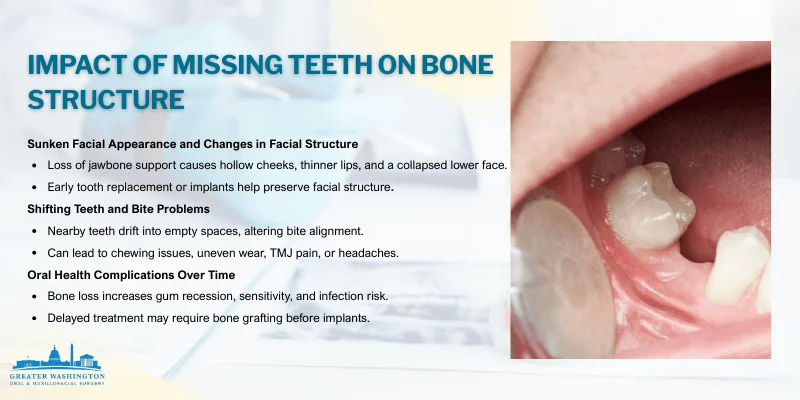
Sunken Facial Appearance and Changes in Facial Structure
When the jawbone loses volume, the lower third of your face can lose support. Your lips may appear thinner and your cheeks may hollow. Over time, the distance between your nose and chin can shorten, making your chin look more prominent and your lower face appear collapsed.
This happens because teeth normally stimulate the alveolar bone during chewing. Without that stimulation, the bone shrinks. If you want to protect facial shape, quick tooth replacement or an implant can help preserve jawbone health and facial contours.
Shifting Teeth and Bite Problems
Adjacent teeth can drift toward the empty space after an extraction. This movement changes how your upper and lower teeth meet. You may notice new gaps, overcrowding, or a bite that feels uneven.
A changed bite can cause chewing difficulty and extra wear on some teeth. It can also lead to jaw joint (TMJ) pain or headaches. Keeping good oral hygiene and replacing the missing tooth promptly lowers the chance of these problems.
Oral Health Complications Over Time
Bone loss raises the risk of gum recession around neighboring teeth. Receding gums expose tooth roots, which increases sensitivity and the risk of root decay. Plaque and food can collect in new gaps, raising infection risk.
Advanced bone loss makes future treatments harder. Implants need enough bone height and width to anchor. If you delay, your dentist may recommend bone grafts or sinus lifts before implant placement. Maintaining good oral hygiene and regular dental visits can slow damage and protect remaining teeth.
Preventing and Managing Bone Loss After Tooth Extraction
You can limit bone loss by acting quickly and choosing treatments that protect the socket and restore root function. Immediate socket care, planned grafting, and healthy habits work together to keep your jaw strong for future implants or bridges.
Socket Preservation and Bone Grafting Techniques
Socket preservation (socket grafting) places a bone graft into the empty socket right after extraction to keep the ridge from collapsing.
You will usually get an allograft (human donor), xenograft (bovine), or synthetic graft that acts as a scaffold for your own bone to grow into. The graft is often covered with a resorbable membrane to block gum tissue and hold space for bone formation.
Expect healing to take several months before an implant can be placed. The graft reduces the amount of ridge shrinkage that normally happens in the first 3–6 months. Ask your dentist which material fits your situation and whether a membrane or sutures are needed to protect the site.
Guided Bone Regeneration and PRF Therapy
Guided bone regeneration (GBR) combines a bone graft with a barrier membrane to direct bone cells into the defect while keeping soft tissue out. GBR is common when socket walls are thin or missing.
Surgeons use non-resorbable or resorbable membranes depending on how much support the graft needs and whether a second surgery to remove the membrane is acceptable.
Platelet-rich fibrin (PRF) can be added to the graft to speed healing. PRF uses your own blood, spun to concentrate growth factors, then mixed with graft material or placed over the site.
PRF helps reduce inflammation, improves soft-tissue healing, and may boost new bone formation, which can make later implant placement more predictable.
Lifestyle and Oral Hygiene for Bone Health
Good oral hygiene prevents infection that destroys bone. You should gently clean around the site as your clinician shows you, avoid smoking, and follow any antibiotic or rinse instructions. Smoking delays healing and raises graft failure rates, so quitting improves your odds of success.
Nutrition matters: eat protein, vitamin D, and calcium-rich foods to support bone repair. Attend follow-up visits so your dentist can check graft integration and schedule implant placement when bone density is ready.
Why Dental Implants Are Essential to Prevent Bone Deterioration
Dental implants replace the tooth root and keep chewing forces in the jaw where they belong. They stop the bone around a missing tooth from shrinking and help maintain your facial shape and bite.
How Implants Preserve Jawbone and Prevent Bone Loss
A dental implant acts like an artificial tooth root. When you chew, the implant transfers pressure into the jawbone. That pressure tells your body to keep rebuilding bone instead of reabsorbing it.
Implants sit directly in the bone through careful implant placement. This direct contact keeps nearby bone cells active and helps maintain bone height and width. Preserving bone makes future dental work easier and keeps nearby teeth from shifting.
You must maintain good oral hygiene to protect the bone around implants. Poor care or smoking raises the risk of infection, which can lead to bone loss even with implants. Regular checkups let your dentist watch bone levels with X-rays and catch problems early.
Osseointegration and Implant Success
Osseointegration means the implant fuses to your jawbone. This fusion creates a stable base for an artificial tooth and supports normal chewing forces.
Successful osseointegration depends on bone quality, precise implant placement, and your overall health. Your dentist may use 3D imaging to plan placement and measure bone volume. If bone is low, a bone graft can rebuild enough structure for the implant.
After osseointegration, most implants feel and function like natural teeth. You should follow post-op care and avoid heavy force while healing to reduce failure risk. Good follow-up care and cleanings help keep the implant integrated long term.
Dental Implants vs. Other Tooth Replacement Options
Implants are the only option that replaces both the tooth crown and the root. That root replacement is what preserves bone. Dentures and bridges only sit on top of the gums or use nearby teeth for support.
Removable dentures can speed bone loss because they don’t stimulate the jaw. Fixed bridges preserve function but require altering adjacent healthy teeth and do not prevent bone resorption under the missing tooth.
Mini implants can help when bone is thin, but full-size implants typically deliver stronger long-term bone support. Your dentist will evaluate bone density, health, and goals to recommend the best tooth replacement option for you.
Timing and Procedures for Implant Placement After Extraction
You will learn how timing, bone work, and imaging affect implant success. The right plan depends on your socket condition, bone volume, and whether you need grafting or advanced lifts.

Immediate, Early, and Delayed Implant Placement
Immediate implant placement means the implant fixture goes in the socket the same day the tooth is removed. You may choose this if your socket is healthy, infection-free, and you have good bone around the root. Immediate placement can reduce total treatment time and help preserve bone height and soft tissue shape.
Public health data shows that untreated tooth loss is associated with progressive jawbone deterioration, often increasing the need for grafting before implants can be placed.
Early implant placement is usually done 4–8 weeks after extraction. This allows soft tissue to heal and inflammation to drop, while still limiting bone shrinkage. Dentists use this window when the socket needs modest healing before the implant.
Delayed implant placement occurs after 3–6 months or longer. Your clinician will pick this if you had infection, severe bone loss, or need a block bone graft. Delayed placement gives bone time to fill in and become dense enough to hold the implant fixture securely.
Each option affects whether you need a surgical guide or temporary prosthesis.
Bone Grafting Before Implant Surgery
Bone grafting restores lost volume so an implant can osseointegrate. Common graft types include particulate grafts for socket preservation and block bone grafts when you need more vertical height. Your surgeon will place graft material into the extraction socket or along the ridge to prevent further resorption.
Socket preservation often happens immediately after extraction to keep the ridge shape. If you need a block bone graft, the surgeon harvests a small piece of bone (often from your jaw or hip) and secures it to the deficient area. Healing time after grafting ranges from 3 to 6 months depending on graft size and quality.
Grafting changes the implant timeline. Small grafts can allow implant placement in a few months; large block grafts usually require longer healing. Your team will use follow-up exams and imaging to confirm the graft integrated before proceeding with implant placement surgery.
Advanced Techniques: Sinus Lift, Ridge Augmentation, and 3D Imaging
A sinus lift raises the maxillary sinus floor to create vertical bone for implants in the upper back jaw. Your dentist uses graft material under the sinus membrane and waits 4–9 months before placing the implant fixture. This step is common when the molar was lost long ago and the sinus expanded.
Ridge augmentation rebuilds width or height of the jawbone. Techniques include guided bone regeneration with membranes, particulate grafts, and block bone. Ridge work helps you get a stable base for single implants, multiple implants, or full-arch solutions like All-on-4 dental implants.
3D imaging and surgical guides improve precision. A cone beam CT scan shows bone volume and nerve positions.
Your clinician can plan implant position, angle, and depth digitally and use a printed surgical guide during the dental implant procedure. That reduces surprises, shortens surgery time, and helps ensure the implant fixture fits the planned prosthesis.
Frequently Asked Questions
You will learn how fast bone shrinks after extraction, what steps cut that loss, why bone strength matters for implants, how to spot loss early, whether lost bone can be rebuilt, and how timing affects implant placement. Each answer gives clear, practical steps you can use when talking with your dentist.
How quickly does bone loss occur after a tooth extraction?
Most bone loss happens in the first few months after extraction. You can lose a significant portion of ridge width within 3–6 months and some height in the first year.
After the first year, bone shrinkage slows but can continue at a low rate each year. The fastest changes that affect implant planning occur in that early window.
What can be done to minimize bone loss following a tooth removal?
Your dentist can place bone graft material into the extraction socket right away to slow shrinkage. This “socket preservation” helps keep ridge width and height for later restorations.
Getting an implant at the time of extraction, when appropriate, preserves stimulation to the bone. Good oral hygiene, quitting smoking, and proper nutrition also reduce ongoing loss.
Why is bone density important for dental implant success?
Denser bone gives implants a stronger hold and speeds healing around the implant. Low bone density can make implant placement harder and raise the risk of implant failure.
If your jaw lacks volume, your dentist may recommend grafting or sinus lift procedures so the implant can be anchored safely.
What are the signs of bone loss after a tooth is extracted?
You may notice neighboring teeth drifting into the empty space or changes in the fit of dentures. Gums may recede and the area can look sunken or make your toothless area appear narrower.
Your dentist will check X-rays and measurements to confirm bone loss before it becomes more obvious to you.
Can bone loss after extraction be reversed or treated?
Yes; you can rebuild lost bone with guided bone grafting, block grafts, or sinus lifts depending on where the loss is. These procedures add volume so implants or other restorations become possible.
Healing takes months, and success depends on your health, the graft type, and good follow-up care.
How does the 3/2 rule relate to the timing of dental implant placement?
The 3/2 rule is a planning guideline some dentists use to balance bone healing and implant timing. It suggests waiting about 3 months for lower jaw sites and 2 months for upper jaw sites in select cases before placing an implant.
Your dentist will tailor timing to your bone quality, infection risk, and whether immediate implant or socket preservation was done.