

Jaw injuries can feel scary, but knowing what oral surgeons do and what to expect can calm you and speed your healing. Oral surgeons stabilize broken bones, repair soft tissue, and plan recovery steps so you can chew, speak, and breathe normally again.
Most patients heal with a clear plan that includes surgery if needed, careful pain control, a soft-food diet, and follow-up visits to prevent infection and restore jaw function.
You will learn how surgeons decide on treatment, what happens right after surgery, and simple steps you can take at home to stay comfortable and avoid complications. This guide will answer the common questions you’ll want solved so you feel prepared and confident through each stage of recovery.
Key Takeaways
- Surgeons fix jaw problems and make a step-by-step recovery plan.
- Early care focuses on pain control, clean wounds, and easy-to-eat foods.
- Follow-up and gentle rehab help restore normal jaw use.
Understanding Jaw Injuries and Surgical Treatments
Jaw injuries can break bones, displace teeth, or damage the joint that opens and closes your mouth. Treatments range from simple wiring to complex reconstructive surgery performed by an oral and maxillofacial surgeon (OMS).
Types of Jaw Injuries
Fractures can affect the mandible (lower jaw) or the maxilla (upper jaw). A broken mandible often causes pain when you chew and may misalign your bite. Maxillary fractures can affect your nose, sinuses, and how your upper teeth meet the lower teeth.
Dislocations occur when the temporomandibular joint slips out of place. This can lock your jaw open or closed and cause severe pain. Soft-tissue injuries, like cuts to the lips or tongue, often occur with fractures and need repair to restore function.
Tooth damage or loss commonly happens with facial trauma. Loose or knocked-out teeth change how your bite works. Your OMS evaluates bone, tooth, and soft-tissue damage together because they all affect chewing, speech, and breathing.
Jaw Anatomy and Function
The mandible is the only movable skull bone and supports lower teeth. It connects to the skull at the temporomandibular joints on each side. These joints let you open, close, and move your jaw side-to-side for chewing and speaking.
The maxilla holds the upper teeth and forms the roof of your mouth and floor of the nose. It helps support your face and airway. Muscles and ligaments around both jaws control movement and stability.
Proper bite alignment (occlusion) matters for chewing, breathing, and long-term joint health. An OMS assesses bone position, dental alignment, and joint function together. That lets them plan treatments that restore both form and function.
Common Surgical Procedures
Closed reduction fixes some fractures without opening the skin. Your surgeon may use wiring or elastic bands attached to braces to keep jaws aligned while they heal. This often suits simple, stable fractures.
Open reduction with internal fixation involves small incisions, plates, and screws to hold bone segments in place. OMSs use rigid plates on the mandible or maxilla when stable alignment is needed. This method speeds recovery and lets you resume some jaw movement sooner.
Orthognathic surgery and maxillary osteotomy refer to planned corrective jaw surgery for misaligned jaws or bite problems. Your oral and maxillofacial surgeon may do these procedures to fix growth-related or chronic alignment issues.
They combine dental planning, bone cuts, and fixation to restore occlusion and facial balance.
The Role of the Oral and Maxillofacial Surgeon
An oral and maxillofacial surgeon evaluates injuries, plans surgery, and guides recovery. They balance function, pain control, and facial appearance while coordinating care with other specialists.

Pre-Surgical Consultation
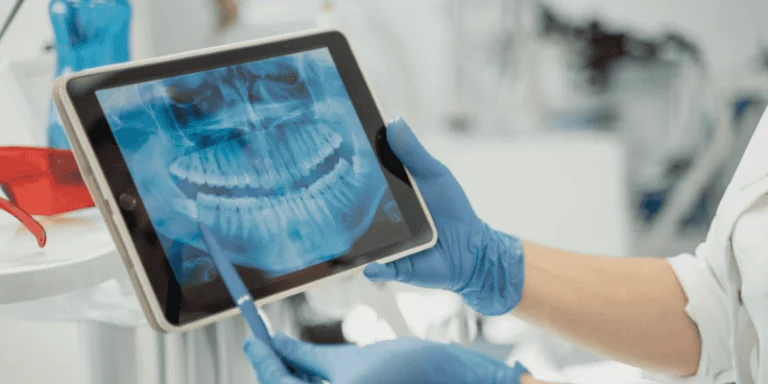
You will meet the oral and maxillofacial surgeon for a focused exam and review of imaging like CT scans or panoramic X-rays. Expect questions about how the injury happened, your medical history, medications, and any numbness or bite changes.
The surgeon will explain treatment options: closed reduction with wiring, open reduction with plates and screws, or temporary splints. They will tell you the risks, the likely length of surgery, and whether general anesthesia is needed.
Bring a list of medicines and allergies. The surgeon will tell you when to stop blood thinners and whether to fast before anesthesia. You can ask about expected pain, swelling, and how long your mouth will be wired or your jaw will be immobilized.
Multidisciplinary Team Approach
You may see a team that includes an oral and maxillofacial surgeon (OMS), an anesthesiologist, a facial plastic surgeon, and sometimes an ENT or trauma surgeon. Each specialist handles specific needs: the OMS focuses on jaw alignment and dental function.
The anesthesiologist plans safe airway control and pain management. A facial plastic surgeon may help if cosmetic repair is needed. Physical therapists or speech therapists may join later to restore chewing and speech.
Your surgeon will coordinate follow-up care, schedule stitches removal, and set timelines for diet changes and jaw exercises. Clear communication among the team helps reduce complications and shortens recovery.
Surgical Planning and Precision
Before surgery, your OMS uses CT scans and 3D models to map bone fractures and plan plate placement. This planning helps restore your bite and jaw position precisely.
During the operation, the surgeon follows sterile techniques, places fixation hardware like titanium plates, and checks occlusion (how your teeth meet). They may adjust the hardware to keep your jaw stable while bone heals.
Expect instructions on wound care, antibiotics, and pain meds. The surgeon will give step-by-step guidance on eating soft foods, when to resume normal activities, and signs of infection to watch for so you can protect your recovery.
Talk with an oral surgeon about the right recovery plan for your jaw injury.
Immediate Post-Surgical Care and Pain Management
You will need clear steps for keeping your jaw stable, lowering swelling, and taking medicines safely. Follow your surgeon’s instructions closely, use the tools they give you, and watch for signs that need a call or visit.
Jaw Immobilization Methods
Your surgeon may use one or more fixes to keep your jaw stable. That can include intermaxillary fixation (wires or elastic bands between your teeth), a rigid plate and screws under the skin, or an external fixation frame for complex breaks. Each method has different limits on opening your mouth and on what you can eat.
If you have wires or elastics, eat only soft or liquid foods and cut food into small pieces if allowed. Keep a small pair of scissors or wire cutters handy and know when to use them in an emergency. If you have plates and screws, expect some numbness or tightness at first; these often allow earlier jaw movement than full wiring.
Your surgeon will schedule follow-up checks and may take post-operative x-rays to confirm bone alignment and hardware position. Attend these visits so any shifting or loose hardware gets treated quickly.
Managing Swelling and Discomfort
Swelling usually peaks 48–72 hours after surgery. Use ice packs on the face for 20 minutes on, 10 minutes off for the first two days. After 48 hours, switch to moist heat for 20 minutes to help loosen muscles and reduce stiffness.
Keep your head elevated while resting and avoid heavy lifting or bending for a week. Eat nourishing, soft foods (soup, mashed potatoes, smoothies without a straw) and avoid spicy or crunchy items that can irritate the mouth.
If your surgeon prescribes a medicated mouth rinse like chlorhexidine (Peridex), rinse gently as directed after day one; do not use over-the-counter strong alcohol rinses like Listerine unless your surgeon OKs it.
Watch your incision lines and the skin around plates or screws. Increasing redness, warmth, or foul drainage means call the office. Take care when rinsing so you don’t dislodge clots or stress the repair.
Monitoring and Medications
Your surgeon will give a pain plan. It often starts with prescription opioids for severe pain, then shifts to acetaminophen and ibuprofen. Take medications on a schedule for the first 48 hours to prevent pain spikes rather than waiting for severe pain to start.
If you received antibiotics, finish the full course to lower infection risk. Use topical or prescribed mouth rinses like Peridex to reduce bacteria per instructions. Avoid smoking and alcohol while on antibiotics and pain meds.
Check your temperature twice daily for the first week. If you develop a fever over 100.4°F, increasing pain, or drainage, contact your surgeon. Bring any post-operative x-rays or imaging requests to your follow-up so your care team can track healing and change your medication plan if needed.
Dietary Guidelines and Nutrition During Recovery
Eat enough protein and calories, stay well hydrated, and follow a strict texture plan so your jaw heals without extra strain. Use nutritional drinks, broths, and blended meals to meet protein and calorie goals while avoiding chewing.

Liquid Diet Recommendations
For the first 2–4 weeks after surgery, stick to thin liquids and blended meals you can swallow without chewing. Choose high-protein ready-to-drink options like Ensure or Boost, broths, strained cream soups, and smooth fruit or vegetable purees mixed with water or milk.
Avoid chunky soups, seeds, nuts, and anything that needs chewing. Don’t use a straw if your surgeon told you not to; straws can change pressure in the mouth and may affect healing.
Aim for 5–6 small liquid meals daily if you can’t take large volumes at once. Keep a blender and strainer handy to make smoothies, shakes, and thin purees that meet your calorie needs.
Nutritional Supplements and Caloric Intake
Your body needs extra calories and protein to repair bone and tissue. Target at least 60–80 grams of protein per day unless your doctor gives a different goal. Use protein powders, fortified shakes (Ensure, Boost), and caloric add-ins like peanut butter or avocado blended into drinks.
If you lose weight quickly, increase serving size or add more supplement drinks. Track calories for a few days to ensure you eat enough; many patients need 2,000+ kcal daily depending on size and activity.
Keep fluids with electrolytes on hand if you have low appetite. Talk to your surgeon or a dietitian if you have diabetes, food allergies, or special nutrition needs.
Transitioning to Soft Foods
Around weeks 4–8 you may move from liquids to a no-chew or soft-food plan, but follow your surgeon’s timeline. Start with very soft items you can mash with your fork: scrambled eggs, mashed potatoes, plain canned fish, yogurt, ricotta, and well-cooked pureed vegetables.
Test one new food at a time. If you can squish it between your fingers and it makes no crunch or noise in your mouth, it’s usually okay.
Progress slowly. If chewing hurts or you feel pressure, go back to liquids for a few days. Keep using protein-rich options like smoothies with added protein powder or a cup of fortified yogurt to meet recovery needs.
Oral Hygiene and Infection Prevention
Good cleaning, the right rinses, and quick action for warning signs cut your infection risk and speed healing. Focus on gentle brushing, targeted rinses, and knowing when to call your oral and maxillofacial surgeon.
Daily Cleaning Routines
Keep your mouth clean without hurting the wound. Use a soft-bristled toothbrush and brush gently around the surgical area twice a day. Avoid scrubbing the incision. Clean the teeth farther from the wound as you normally would to reduce bacteria.
Use floss or interdental brushes on teeth away from the surgical site once a day. If your surgeon advises, use a foam swab or saline-soaked gauze to wipe directly over sutures. Do not force floss or brushes into areas that feel tender or open.
Follow your surgeon’s specific timeline for returning to full brushing. If you have splints or plates, clean around them carefully to prevent plaque build-up. Keep hands clean before touching your mouth.
Mouth Rinses and Products
Ask your surgeon which rinse to use and when to start. Many surgeons recommend 0.12% chlorhexidine gluconate (Peridex) for short periods to reduce bacteria. Use it as directed (usually twice daily for up to two weeks) because long use can stain teeth and alter taste.
Alcohol-free antiseptic rinses like certain Listerine formulas may help, but check with your surgeon first. If you have stitches near bone work or implants, avoid harsh or alcohol-based products unless cleared by your oral and maxillofacial surgeon.
Use prescription mouthwash only when given, and stop any over-the-counter products that cause burning or irritation. Apply topical antibiotic gel only if your surgeon prescribes it. Keep a soft diet and avoid smoking, which slows healing and raises infection risk.
Recognizing Signs of Infection
Watch for increasing pain, swelling, or a fever over 100.4°F (38°C). These can mean an infection is developing. Pain that gets worse after five to seven days, instead of better, is a red flag.
Look for pus, foul taste or odor, or new drainage from the incision. Tight, spreading redness or heat around the site and difficulty opening your mouth (trismus) also require quick evaluation. Sudden heavy bleeding or numbness that worsens needs urgent attention.
Call your oral and maxillofacial surgeon right away if you notice any of these signs. Bring photos of the area if you can. Early treatment (usually antibiotics and sometimes drainage) limits complications.
Recovery Timeline and Long-Term Rehabilitation
You will move from a short, intense healing phase to slower bone and nerve recovery over months. Expect clear milestones for swelling, diet changes, and activity limits, plus guided exercises and regular check-ins with your surgeon.
Jaw Surgery Recovery Timeline
Days 0–3: swelling and bruising peak. Keep your head elevated, apply ice in 20-minute cycles, and use prescribed pain meds exactly as directed. You will eat liquids and nutrient-rich smoothies.
Weeks 1–2: swelling begins to fall. Stitches may dissolve and pain drops. You switch to blended and soft foods like mashed potatoes and pureed soups. Speech and chewing improve slowly.
Weeks 3–8: most daily activities return. You can usually add soft solids (scrambled eggs, soft pasta) and short walks. Avoid heavy lifting and contact sports until cleared.
Months 2–3: swelling is often >50% reduced and feeling in the lower lip may improve. Your surgeon may clear you for light gym work and a more varied diet.
Months 4–6 and beyond: bone remodeling continues up to 12 months. You may resume full activity, including contact sports, only after surgeon clearance. If you had orthodontic treatment planned, it usually resumes in this window.
Jaw Exercises and Physical Therapy
Start gentle jaw range-of-motion exercises once your surgeon allows. Typical moves include slow mouth opening to a comfortable limit, side-to-side shifts, and controlled protrusion. Do each motion 5–10 times, three times daily.
Progress to resistance work as pain and swelling fall. Use a tongue depressor or stacked tongue depressors to guide controlled openings and hold for 5–10 seconds. Stop any exercise that causes sharp pain or new numbness.
If you have bite changes, facial asymmetry, or persistent stiffness, your surgeon may refer you to a physical therapist who specializes in jaw function. That therapist will add soft-tissue massage, scar mobilization, and neuromuscular re-education to improve chewing and speech.
Follow-Up Appointments and Monitoring
You will have a first post-op visit within 1 week. Expect wound checks, suture review, and instructions on diet advance and hygiene. Your surgeon will document swelling and facial symmetry.
Subsequent visits commonly occur at 4–6 weeks, 3 months, 6 months, and 12 months. At these visits your surgeon may take X-rays to confirm bone healing and check hardware position. Numbness or altered sensation is tracked; most sensation returns within six months, but gradual improvement can continue up to a year.
Report fever, worsening asymmetry, increased pain, or drainage immediately. Bring a list of medications and note any changes in sleep, diet, or chewing ability at each visit. If you need orthodontic work, the team will coordinate timing during these follow-ups.
Frequently Asked Questions
This section answers common, practical concerns about healing time, non-surgical options, plates and hardware recovery, sleeping positions, speech recovery, and the level of help you may need. Each answer gives clear timeframes and actions you can expect during recovery.
What is the recovery time for a fractured jaw surgery?
Most people can return to non-strenuous work or school in 2–3 weeks after surgery.
Complete bone healing usually takes 6–12 weeks, but the exact time depends on the break pattern, your age, and overall health.
Follow-up visits usually occur in the first week, at 4–6 weeks, and again at about 3 months to check bone healing and bite alignment. Your surgeon will tell you when to resume normal chewing and more active work.
Are there ways to heal a broken jaw without undergoing surgery?
Yes. Stable, well-aligned fractures can sometimes heal without surgery using a soft diet, pain control, and close monitoring.
Your surgeon may use jaw immobilization techniques, such as elastic bands or temporary wiring, if the bones line up well.
Non-surgical treatment needs frequent X-rays and checkups to ensure the bone is healing. If the fracture shifts or causes a bad bite, surgery may become necessary.
How long does it take to fully recover after having plates installed for a broken jaw?
Pain and swelling drop a lot in the first 1–2 weeks after plate fixation.
Bone healing around plates usually takes 6–12 weeks; many patients feel near-normal by 8–12 weeks.
Plates and screws are commonly left in place unless they cause problems. Your surgeon will monitor healing with exams and imaging and advise when normal eating and contact sports are safe.
At what point post-surgery is it safe to sleep on your side following jaw surgery?
You should avoid sleeping on your side for the first 1–2 weeks after surgery to limit swelling and pressure on the face.
After swelling eases and your surgeon confirms stable healing (often around 2–4 weeks) you can usually resume side sleeping.
Use extra pillows to keep your head elevated while you sleep during the early phase. Ask your surgeon for specific timing based on your procedure and swelling.
How soon can I start talking normally after jaw surgery?
You will likely be able to speak right after surgery, but speech may sound slurred at first because of swelling and discomfort.
If your jaw is immobilized with wires or heavy elastics, clear speech may be limited until your surgeon loosens or removes them; often within 1–3 weeks.
Practice gentle talking as swelling improves and follow any exercises your team gives to rebuild movement and clarity.
Will I need someone to assist me during my recovery from jaw surgery?
Yes, you should plan for help during the first 3–7 days after surgery for meals, transportation, and medication management.
You may also need ongoing support for a few weeks if your diet is liquid or pureed, or if you have limited jaw movement.
Arrange follow-up rides to appointments and a reliable contact for emergencies. Your care team will tell you which daily tasks you should avoid and when you can handle them again.