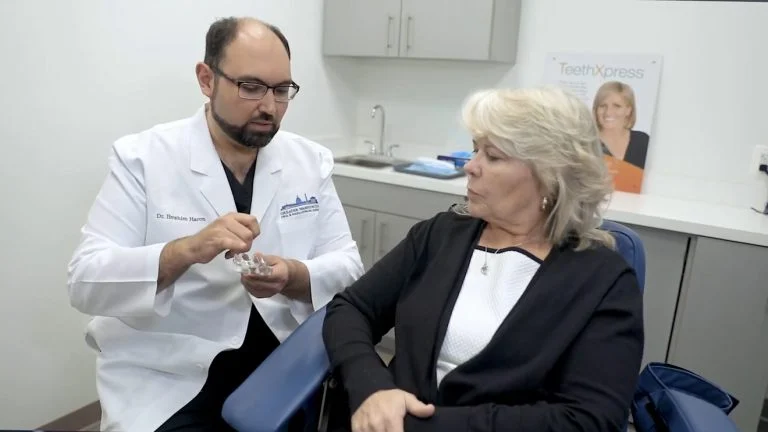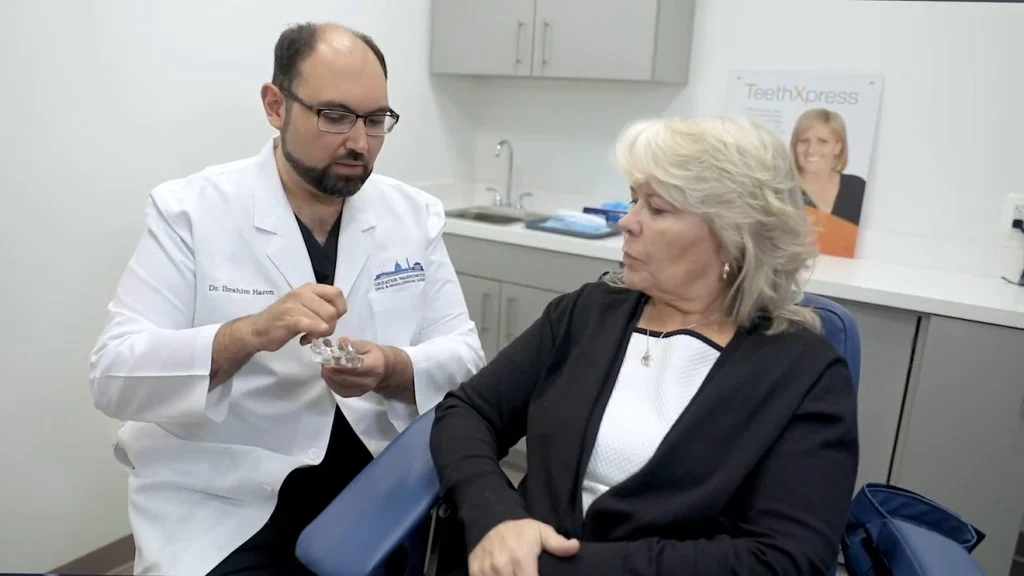


You’ve completed your oral surgery, and now proper aftercare will help ensure smooth healing and the best possible outcome. Some discomfort, swelling, and light bleeding are completely normal following your procedure. We’ve organized this guide to walk you through each stage of recovery. Please watch the short video below and review these instructions carefully.
The First 24 Hours: Immediate Care
If You Had Anesthesia or Sedation
If you received IV sedation or general anesthesia, do not drive a vehicle or operate any machinery for 24 hours following your procedure. Your reflexes and judgment will be affected during this time.
Managing Bleeding
Some bleeding is normal after oral surgery. Here’s how to control it:
- Bite down firmly on the gauze pad placed over the surgical site
- Keep the gauze in place for 30 minutes at a time
- Check the gauze after 30 minutes; if it’s soaked with bright red blood, replace it with fresh gauze and continue biting firmly
- Once the gauze shows only a pinkish color, you can remove it and leave it out
- Repeat as needed until bleeding stops
Important: If you continue to bleed heavily for more than five to six hours after your procedure, call our office immediately. This may indicate a complication that needs attention.
What to Avoid
During the first 24 hours, do NOT:
- Suck on a straw
- Brush your teeth
- Rinse your mouth
- Spit forcefully
- Smoke
- Drink from a bottle
These activities create pressure in your mouth that can dislodge the blood clot protecting your surgical site, potentially causing a painful condition called dry socket.
Diet Restrictions
You can eat after your procedure if you feel up to it, but stick to soft, liquid foods:
- Mashed potatoes
- Yogurt
- Smoothies (no straw)
- Applesauce
- Soups (lukewarm, not hot)
- Juice
Avoid hot and spicy foods, carbonated beverages, alcohol, and foods with small particles like rice or seeds. Spicy foods can irritate the surgical site, and small particles can become trapped and cause infection.
Rest and Recovery
Take it easy on the day of your surgery. Avoid strenuous activities, excessive work, or intense exercise. You can resume normal activities the following day as you feel comfortable.
Important for Parents: If your child had an extraction, supervise them closely to ensure they do not bite or chew their tongue, lips, or cheeks while still numb. This can cause serious injury to the soft tissue.
Days 2-3: Reducing Swelling
Managing Swelling
Swelling around your face, eyes, and surgical site is common and often becomes most noticeable two to three days after surgery. Here’s how to manage it:
Cold Therapy (First 48 Hours)
- Apply a cold compress to the outside of your face near the surgical site
- Never apply ice directly to your skin; always use a cloth barrier
- Use for 20 minutes on, then 10 minutes off
- Repeat as needed throughout the day
- After 48 hours, cold therapy becomes less effective
Warm Therapy (After 48 Hours)
- Switch to moist heat applications using a warm washcloth or heating pad
- Apply to the sides of your face near the surgical area
- Continue the 20 minutes on, 10 minutes off pattern
- This helps reduce lingering swelling and stiffness
Starting Oral Hygiene
After the first 24 hours, you can begin gentle oral care:
- Resume brushing your teeth the day after surgery, but avoid the surgical sites with your toothbrush
- Do NOT use commercial mouthwashes like Listerine, Crest, or Colgate rinses
- Instead, use warm salt water: mix one half teaspoon of salt in an eight ounce glass of warm water
- To rinse gently, hold the salt water in your mouth and slowly shake your head side to side (avoid vigorous swishing with your cheeks)
- To spit, lean over the sink and let the water fall out of your mouth; do not spit forcefully
- Rinse three times a day for seven to ten days
This gentle technique helps keep the surgical area clean while protecting the blood clot.
Days 4-7: Gradual Return to Normal
Expanding Your Diet
As you feel comfortable, you can gradually introduce more solid foods. Continue to avoid anything hard, crunchy, or chewy that could irritate the surgical site. Most people can begin reintroducing regular foods three to four days after surgery, depending on their comfort level and healing progress.
Medications
Take all prescribed medications exactly as directed:
- Antibiotics: Complete the entire course to prevent infection
- Pain medication: Take as needed for comfort
If you have been prescribed pain medication other than aspirin, Tylenol, or ibuprofen, do not drive, operate heavy equipment, or engage in any activity that requires full alertness while taking it.
Sutures
If sutures were placed, most will dissolve on their own within seven to ten days. The salt water rinses will help dissolve them. If your sutures require a follow-up visit for removal, we will let you know at the time they are placed.
Irrigating Syringe
If you were given an irrigating syringe, do not use it for the first five days. After five days, fill the syringe with warm salt water and gently flush out the socket to remove any food or debris.
Understanding Dry Socket
A dry socket develops when the blood clot gets dislodged prematurely from the tooth socket. Symptoms typically appear three to four days after surgery and include:
- Throbbing pain at the surgical site
- Pain radiating to your ear, chin, adjacent teeth, or jaw
- Pain that does not respond to medication
If you experience these symptoms, contact our office right away.
Temporary Numbness
If you experience numbness in your lip, chin, or tongue after surgery, this is usually temporary. Normal feeling should return within a few days. Until then, be cautious while eating and chewing to avoid accidentally biting your tongue, cheek, or lip.
When to Call Our Office
Contact us immediately if you experience:
- Heavy bleeding that continues for more than five to six hours
- Severe pain that is not relieved by medication
- Pain and swelling that worsen after a few days rather than improve
- Signs of infection (fever, increased swelling, pus)
- Symptoms of dry socket (throbbing pain three to four days after surgery)
- No improvement in your condition after several days
For serious or life threatening emergencies, please call 911 or visit the nearest emergency room.
Questions?
If you have any questions or concerns during your recovery, please call our office. We’re here to help you heal comfortably and will address any needs that arise.