Oral Surgery in Northern Virginia
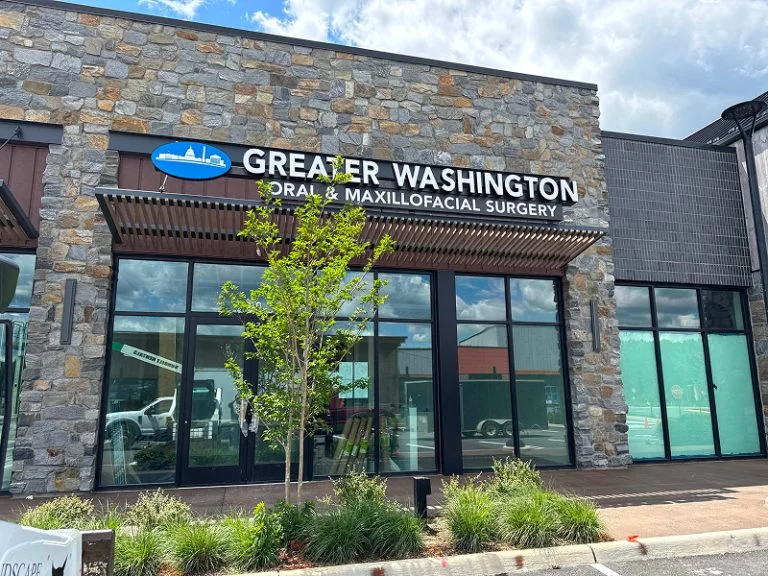
A dull ache at the back of your jaw, swollen gums, or a tooth that never fully came in these are the signs that usually send people looking to remove wisdom teeth, often searching for a remove wisdom teeth dentist who can evaluate them properly. At Greater Washington Oral & Maxillofacial Surgery, our board-certified surgeons use advanced techniques and a full range of sedation options to keep the process safe and comfortable. Whether your wisdom teeth are erupted or impacted, our team guides you from consultation through recovery, including what to expect with cost, healing, and diet.
Our surgeons see wisdom teeth patients at all four Northern Virginia offices: Fredericksburg, Fairfax, Manassas, and Stafford.
The Proof Is in Our Patients
Your Success Story Starts Here
Take This 60-Sec Quiz to See If Dental Implants are Right for You!
It’s the extraction of your third molars last teeth to come in, usually somewhere between 17 and 25. Four of them typically, one per corner of the jaw. Here’s the catch though: jaws have gotten smaller over generations, so a lot of people just don’t have the room for these extra molars anymore.
No space means the tooth might:
Most jaws don’t have room for a third set of molars, so wisdom teeth often end up impacted, meaning stuck under the gum or bone. Many patients are advised to have them out before anything hurts, to head off infection, crowding and decay before they start. The American Association of Oral and Maxillofacial Surgeons recommends having wisdom teeth evaluated by an oral and maxillofacial surgeon by the time you are a young adult.
Grow in sideways
Only half break through the gum
Stuck under gum and bone impacted
Not everyone needs this done. Teeth that came in fully, sit at a good angle and don’t affect your bite or your ability to keep them clean may just be monitored. But once they’re impacted or already causing trouble, removal is one of the most routine procedures an oral surgeon performs.
689+
Smiles Restored
4
Convenient Locations
98%
Patient Satisfaction
10,000+
Implants Placed
30+ Years
Combined Experience
689+
Smiles Restored
4
Convenient Locations
98%
Patient Satisfaction
10,000+
Implants Placed
30+ Years
Combined Experience
689+
Smiles Restored
4
Convenient Locations
98%
Patient Satisfaction
10,000+
Implants Placed
30+ Years
Combined Experience
689+
Smiles Restored
4
Convenient Locations
98%
Patient Satisfaction
10,000+
Implants Placed
30+ Years
Combined Experience
689+
Smiles Restored
4
Convenient Locations
98%
Patient Satisfaction
10,000+
Implants Placed
30+ Years
Combined Experience
Common Reasons
Most people fall into candidate territory sometime late teens through mid-twenties, once there’s enough tooth development to actually see clearly on X-ray. You’re likely looking at removal if:
Pain, swelling, or tenderness keeps showing up near the back of your jaw
Your wisdom teeth are impacted or coming in at an angle
There are signs of infection, such as swollen gums or a bad taste that won't go away
Your other teeth are crowding or shifting
Cleaning around your back molars is a struggle, and cavities or gum irritation keep popping up
A dentist's already flagged it for preventive removal, symptoms or not
Younger patients tend to have an easier time. Roots and bone are still developing, so the procedure is usually simpler and healing is faster. That said, age isn’t a hard limit; wisdom teeth can be removed safely at almost any age with the right evaluation. And not everyone needs it. If a tooth is fully erupted, well aligned and easy to clean, your surgeon may simply keep an eye on it. The best way to know is a consultation with imaging.
Find Your Relief Today
Yes. Removing impacted wisdom teeth counts as oral surgery, though the complexity varies a lot from case to case. A fully erupted tooth with a straightforward extraction can often be handled by a general dentist. An impacted tooth buried in bone is different: it needs a surgical extraction, an incision and sometimes a little bone removal, done by an oral surgeon.
At your consultation, X-rays or 3D imaging show exactly where each tooth sits. From there, your surgeon recommends the anesthesia that fits: local anesthesia, nitrous oxide, IV sedation or general anesthesia. One tooth usually takes 20 to 45 minutes. All four in one visit takes about 45 minutes to an hour, longer for a difficult impaction. Many people ask whether wisdom teeth removal hurts. Not during the procedure, because you’re numb or sedated the whole time. Afterward, some soreness, swelling and light bleeding for a few days is normal and manageable with the right aftercare.
cost
Recovery
Be our Next Success Story!
Line up a ride if you’re getting sedated, stock up on soft foods beforehand, get prescriptions filled ahead of time, and block off 2–3 days to actually rest
Pain gets worse instead of better after day 3–4 (could be dry socket)
Fever, pus, or a bad taste that won't clear (possible infection)
Bleeding that won't slow down even with gauze pressure
Numbness sticking around longer than it should
Decades of combined experience, from routine extractions to the tough impacted cases.
Local anesthesia, nitrous oxide, IV sedation or general anesthesia, matched to your comfort and the complexity of your case.
3D cone beam imaging and digital X-rays for accurate diagnosis and planning.
Offices in Fredericksburg, Fairfax, Manassas, and Stafford, so care is never too far.
Same team with you from consultation through recovery, following up to make sure healing’s on track.
CareCredit and Cherry financing, plus HSA and FSA payments, so cost doesn’t hold up treatment.
If it feels like time to get your wisdom teeth looked at, we’re ready to walk through the options with you.
Frequently Asked Questions
Not during the procedure, because you’re numb or sedated. Afterward, expect mild to moderate discomfort, swelling and some light bleeding for three or four days, which pain medication can manage.
Not all of them do. But without enough room to come in properly, they can cause impaction, infection, crowding, cysts and damage to nearby teeth, which is why preventive removal is so common.
If they’re not causing issues and erupted fully in a healthy spot, plenty of people just keep them. Left untreated though, impacted or partially erupted teeth can lead to repeat infections, cysts, and damage to nearby molars over time.
Still Have Questions?
Real Patients, Real Transformations
Your Success Story Starts Here
Take This 60-Sec Quiz to See If Dental Implants are Right for You!
Northern Virginia's Most Advanced Technology
Every piece of technology we use is chosen with one thing in mind: your comfort. These tools cut down treatment time, ease discomfort, and speed up healing , which is exactly why Northern Virginia patients keep trusting us with their care.
Financing Through CareCredit and Cherry
NO Credit Score Impact Until Plan Selected.
Start Your Treatment Today With Easy Financing
Your Smile Transformation Specialists
Lead Oral & Maxillofacial Surgeon
Oral & Maxillofacial Surgeon
Board-Certified Periodontist
Oral & Maxillofacial Surgeon
Be our Next Success Story!
Hundreds of Families Trust Their Smiles to Our Care
4.9★ out of 5
Convenient Locations
Find Your Nearest Location and Request An Appointment Today
Stay Informed, Smile With Confidence
Somewhere along the way, you got the idea this wasn’t happening for you. Maybe a dentist brought up your diabetes…
Your dad snored for thirty years. Everyone joked about it at family gatherings. Now you’re the one who’s exhausted by…
Two days after the extraction, the pain is supposed to be settling down. If it’s not, if it’s actually worse…
Fredericksburg Office
Fredericksburg, VA
Fairfax Office
Fairfax, VA
Manassas Office
Manassas, VA
Stafford Office
Stafford, VA
Search for services, dental procedures, and expert tips from our patient resources.
Popular searches: Dental Implants, Cleanings, Insurance.
"*" indicates required fields